MoleculeConductselectricityDemocritusLatticeAtomicmassNeutronPeriodictable(Groups)Periodictable  NitrogenCompoundDiatomicmoleculePeriodictable(Periods)Neutral(nocharge)DaltonAtomicnumberMalleable(can bebent)NucleusAtom  ChlorineDull/ShinyMetalloidsNoblegases -Group 8/18elementsPositivechargeRutherford  HydrogenProtonElectronshellsNeilsBohrMetalsSubatomicparticlesMercury(Hg) liquidat roomtemperatureValenceelectronsElementElementpropertiesChadwick  OxygenNegativechargeNon-metalsDuctile(can bemade intowires)ElectronThomson(Plumpuddingatom model)MoleculeConductselectricityDemocritusLatticeAtomicmassNeutronPeriodictable(Groups)Periodictable  NitrogenCompoundDiatomicmoleculePeriodictable(Periods)Neutral(nocharge)DaltonAtomicnumberMalleable(can bebent)NucleusAtom  ChlorineDull/ShinyMetalloidsNoblegases -Group 8/18elementsPositivechargeRutherford  HydrogenProtonElectronshellsNeilsBohrMetalsSubatomicparticlesMercury(Hg) liquidat roomtemperatureValenceelectronsElementElementpropertiesChadwick  OxygenNegativechargeNon-metalsDuctile(can bemade intowires)ElectronThomson(Plumpuddingatom model)

Y8 - Chemistry - Term 1 - Game 1 - Call List

(Print) Use this randomly generated list as your call list when playing the game. There is no need to say the BINGO column name. Place some kind of mark (like an X, a checkmark, a dot, tally mark, etc) on each cell as you announce it, to keep track. You can also cut out each item, place them in a bag and pull words from the bag.
1
2
3
4
5
6
7
8
9
10
11
12
13
14
15
16
17
18
19
20
21
22
23
24
25
26
27
28
29
30
31
32
33
34
35
36
37
38
39
40
41
42
43
44
45
46
47
48
49
50
51
  1. Molecule
  2. Conducts electricity
  3. Democritus
  4. Lattice
  5. Atomic mass
  6. Neutron
  7. Periodic table (Groups)
  8. Periodic table
  9. Nitrogen
  10. Compound
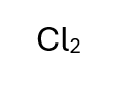
  11. Diatomic molecule
  12. Periodic table (Periods)
  13. Neutral (no charge)
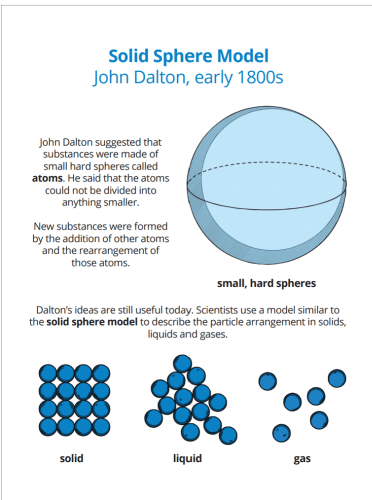
  14. Dalton
  15. Atomic number
  16. Malleable (can be bent)
  17. Nucleus
  18. Atom
  19. Chlorine
  20. Dull/Shiny
  21. Metalloids
  22. Noble gases - Group 8/18 elements
  23. Positive charge
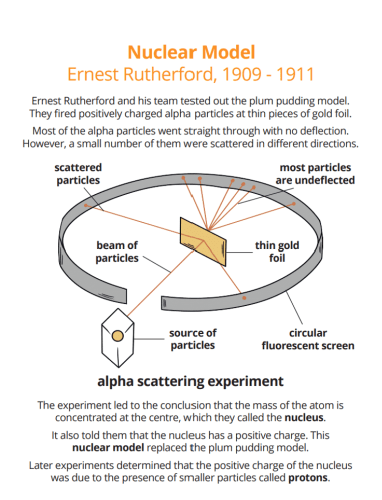
  24. Rutherford
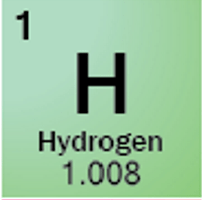
  25. Hydrogen
  26. Proton
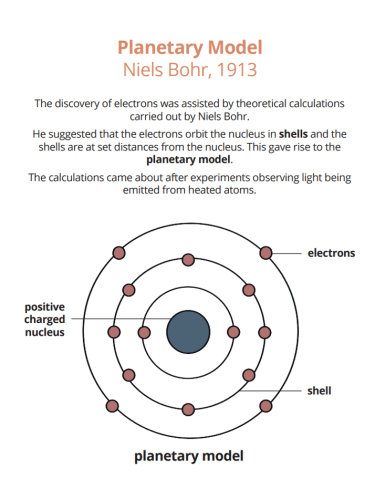
  27. Electron shells
  28. Neils Bohr
  29. Metals
  30. Subatomic particles
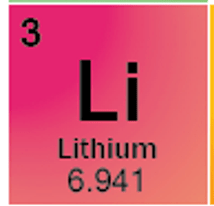
  31. Mercury (Hg) liquid at room temperature
  32. Valence electrons
  33. Element
  34. Element properties
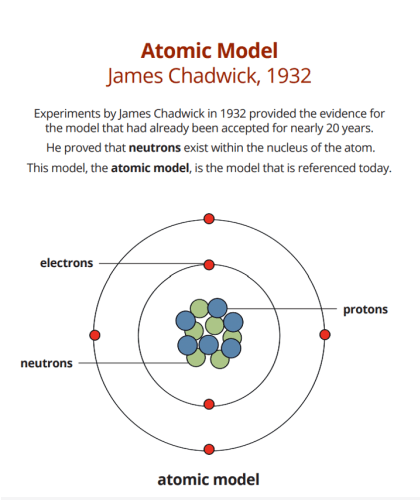
  35. Chadwick
  36. Oxygen
  37. Negative charge
  38. Non-metals
  39. Ductile (can be made into wires)
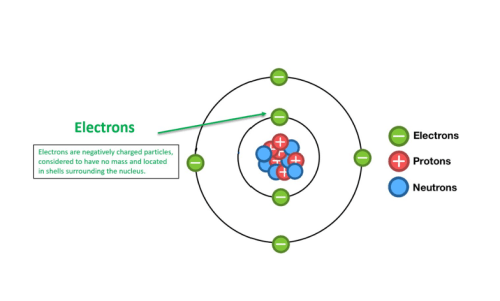
  40. Electron
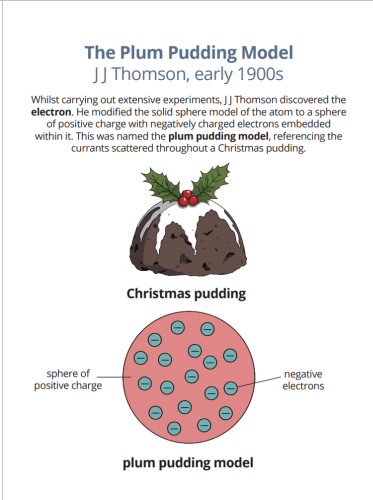
  41. Thomson (Plum pudding atom model)