EnzymeIncrease reactionspeed by loweringactivation energy.Affected bytemperature andpH.CytoplasmHoldsorganelleswithin the cell inplace. Jelly-likefluid. Found inall cells.ProkaryoticcellThe basic unit oflife and function ofmany unicellularorganisms. Doesnot containmembrane-boundorganelles.VacuoleStorage of water,waste, and/ornutrients. Found inplants and animals,but tends to be largerin plants and used tostore mostly water.PlasmidCircularprokaryoticchromosomesSmoothendoplasmicreticulumContinuous membranesystem found near thenucleus. Does nothave ribosomesembedded. Used formaking lipids such assteroids. Found inplants and animals.FREESPACE!The basicunit of lifeand functionof animalsMakes upgenes. Codesfor proteins.Found in allcells.FlagellumWhip-like tail foundon some cells suchas sperm cells andbacterial cells. Partof the cytoskeleton.Used formovement.RoughendoplasmicreticulumContinuousmembrane systemfound near thenucleus. Hasribosomesembedded. Found inplants and animals.The basicunit of lifeand functionof plantsConcentrationof a solutionSolutedivided bysolventRibosomeLocation of proteinproduction.Smallest organellein the cell. Foundin all cells.PlasmaMembraneSeparates the cellfrom the outsideand controls whatenters and leavesthe cell. Made upof a phospholipidbilayer.LysosomeContains digestiveenzymes to cleanup old, worn-outparts of the cell andwaste. Small andspherical. Found inanimal cells only.HomeostasisInternalbalance on thecell or wholeorganism level.Holds and protectsthe geneticinformation of thecell. Found inplants andanimals, but notbacteria.ActivetransportThe movementof particlesfrom low to highconcentration.Requires ATP.GolgiapparatusCollect, modify,package, and releaseproteins for use in orout of the cell. Stacksof membranes.Found in plants andanimals.CiliaHair-likeportion of thecytoskeletonused formovement.DiffusionA type ofpassivetransport wheremolecules movefrom high to lowconcentration.EnzymeIncrease reactionspeed by loweringactivation energy.Affected bytemperature andpH.CytoplasmHoldsorganelleswithin the cell inplace. Jelly-likefluid. Found inall cells.ProkaryoticcellThe basic unit oflife and function ofmany unicellularorganisms. Doesnot containmembrane-boundorganelles.VacuoleStorage of water,waste, and/ornutrients. Found inplants and animals,but tends to be largerin plants and used tostore mostly water.PlasmidCircularprokaryoticchromosomesSmoothendoplasmicreticulumContinuous membranesystem found near thenucleus. Does nothave ribosomesembedded. Used formaking lipids such assteroids. Found inplants and animals.FREESPACE!The basicunit of lifeand functionof animalsMakes upgenes. Codesfor proteins.Found in allcells.FlagellumWhip-like tail foundon some cells suchas sperm cells andbacterial cells. Partof the cytoskeleton.Used formovement.RoughendoplasmicreticulumContinuousmembrane systemfound near thenucleus. Hasribosomesembedded. Found inplants and animals.The basicunit of lifeand functionof plantsConcentrationof a solutionSolutedivided bysolventRibosomeLocation of proteinproduction.Smallest organellein the cell. Foundin all cells.PlasmaMembraneSeparates the cellfrom the outsideand controls whatenters and leavesthe cell. Made upof a phospholipidbilayer.LysosomeContains digestiveenzymes to cleanup old, worn-outparts of the cell andwaste. Small andspherical. Found inanimal cells only.HomeostasisInternalbalance on thecell or wholeorganism level.Holds and protectsthe geneticinformation of thecell. Found inplants andanimals, but notbacteria.ActivetransportThe movementof particlesfrom low to highconcentration.Requires ATP.GolgiapparatusCollect, modify,package, and releaseproteins for use in orout of the cell. Stacksof membranes.Found in plants andanimals.CiliaHair-likeportion of thecytoskeletonused formovement.DiffusionA type ofpassivetransport wheremolecules movefrom high to lowconcentration.

Cell BINGO - Call List

(Print) Use this randomly generated list as your call list when playing the game. There is no need to say the BINGO column name. Place some kind of mark (like an X, a checkmark, a dot, tally mark, etc) on each cell as you announce it, to keep track. You can also cut out each item, place them in a bag and pull words from the bag.


1
2
3
4
5
6
7
8
9
10
11
12
13
14
15
16
17
18
19
20
21
22
23
24
25
  1. Increase reaction speed by lowering activation energy. Affected by temperature and pH.
    Enzyme
  2. Holds organelles within the cell in place. Jelly-like fluid. Found in all cells.
    Cytoplasm
  3. The basic unit of life and function of many unicellular organisms. Does not contain membrane-bound organelles.
    Prokaryotic cell
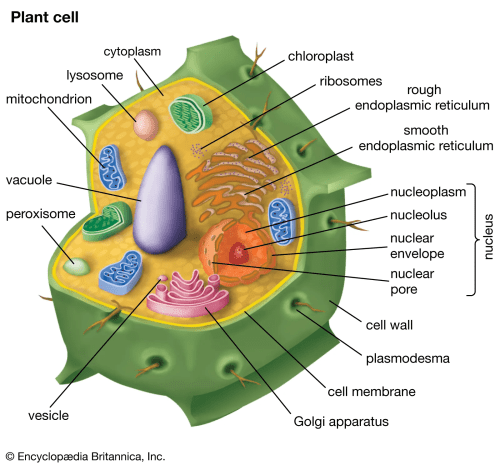
  4. Storage of water, waste, and/or nutrients. Found in plants and animals, but tends to be larger in plants and used to store mostly water.
    Vacuole
  5. Circular prokaryotic chromosomes
    Plasmid
  6. Continuous membrane system found near the nucleus. Does not have ribosomes embedded. Used for making lipids such as steroids. Found in plants and animals.
    Smooth endoplasmic reticulum
  7. FREE SPACE!
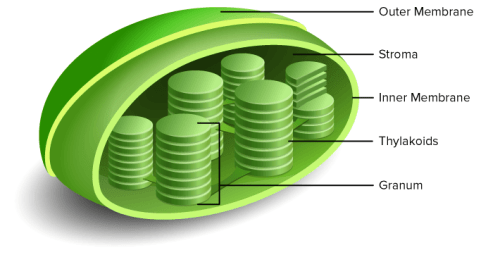
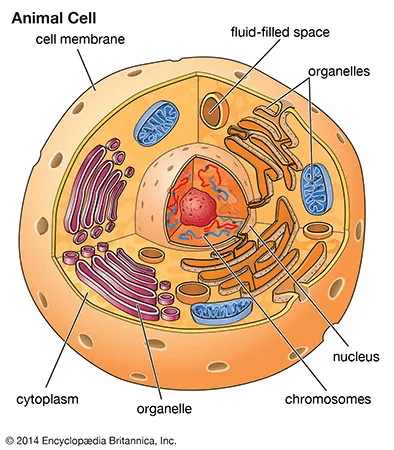
  8. The basic unit of life and function of animals
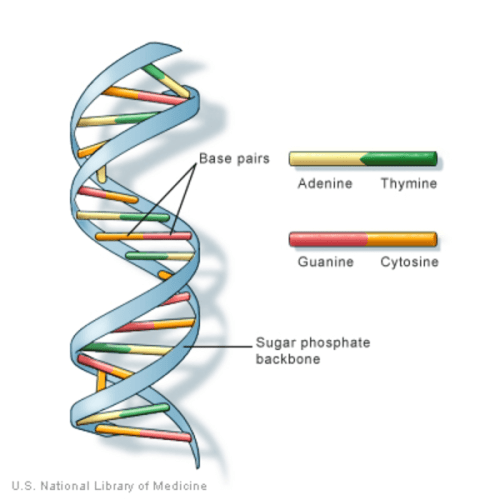
  9. Makes up genes. Codes for proteins. Found in all cells.
  10. Whip-like tail found on some cells such as sperm cells and bacterial cells. Part of the cytoskeleton. Used for movement.
    Flagellum
  11. Continuous membrane system found near the nucleus. Has ribosomes embedded. Found in plants and animals.
    Rough endoplasmic reticulum
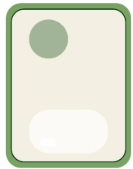
  12. The basic unit of life and function of plants
  13. Solute divided by solvent
    Concentration of a solution
  14. Location of protein production. Smallest organelle in the cell. Found in all cells.
    Ribosome
  15. Separates the cell from the outside and controls what enters and leaves the cell. Made up of a phospholipid bilayer.
    Plasma Membrane
  16. Contains digestive enzymes to clean up old, worn-out parts of the cell and waste. Small and spherical. Found in animal cells only.
    Lysosome
  17. Internal balance on the cell or whole organism level.
    Homeostasis
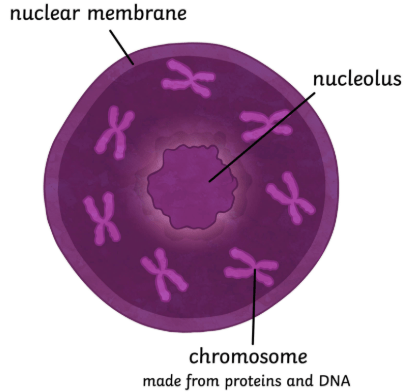
  18. Holds and protects the genetic information of the cell. Found in plants and animals, but not bacteria.

  19. The movement of particles from low to high concentration. Requires ATP.
    Active transport
  20. Collect, modify, package, and release proteins for use in or out of the cell. Stacks of membranes. Found in plants and animals.
    Golgi apparatus
  21. Hair-like portion of the cytoskeleton used for movement.
    Cilia
  22. A type of passive transport where molecules move from high to low concentration.
    Diffusion