MineralsElements infoods that ourbody needs todevelop andfunctionnormallys.FruitsThese foods arepacked with vitamins,minerals, antioxidants,and fiber. Theypromote heart health,digestion, control bloodsugar levels, and boostimmunity. VitaminDNutrient the bodyneeds, along withcalcium, to buildbones and keep themhealthy. Somesources are fish, redmeat, and egg yolks.VegetablesThe edible parts of plants—including roots, stems,leaves, flowers, fruits,and seeds—that are lowin calories but high invitamins, minerals, fiber,and antioxidants,contributing to numeroushealth benefitsDairyThese products helpwith bone health,muscle growth andrepair, immunefunction,cardiovascularhealth, and are rich innutrients. BananaExcellent source ofessential nutrients,including potassium,vitamin B6, magnesium,fiber, and antioxidants.They are high inpotassium, which helpsregulate blood pressureand supports heart healthSugarExcess of this foodcan contribute tohealth problems suchas obesity, diabetes,and tooth decay, withhealth organizationsrecommending limitsfor daily intake AnorexiaEating disorderin whichpeople avoidor severelyrestrict foodNutrientsfoodsubstances thatare required forthe growth andmaintenance ofthe body’s cellsPopcornThis snack isrich in fiberthat is naturallylow in calories,fat and sugarVitaminCThis nutrienthelps the bodywith theimmune systemand fighting offbacteria. CarrotsThese are anexcellentsource ofVitamin A whichhelps withvision.HealthySnacksSmall, nutrient-dense,whole foods, such asfruits, vegetables, nuts,and low-fat dairy, thatprovide energy, fiber, andprotein to keep you fulland satisfied betweenmeals without causing asignificant "sugar crash"MacronutrientsThings yourbody needs inlarge quantitateslikecarbohydratesproteins and fatsPintoBeansNutrient dense foodthat is a good sourcefor protein and fiberwhich makes it rarebecause it can fallinto 2 foodcategories. Caffeinechildren ages12 to 18 thatsuggest a limitof 100milligrams aday WaterCarries othernutrients to yourcells, carriesaway waste, andregulates yourbody temperatureIceCreamOne ofthe bestdessertsof all timeBrocoliNutritiousvegetable packedwith vitamins,minerals, andantioxidants andevery teensfavorite foodFatsThese can help dissolvecertain vitamins and carrythem to body cells to helpkeep your skin healthy.However, eating too muchcan cause weight gain andmay lead to healthproblems such as cancerand heart disease.MetabolismThe process bywhich thebody's cellsconvert foodand drink intoenergy PotatoesThese are goodsources ofcarbohydratesthat help withenergy forathletes FishThis food is a goodsource of omega fattyacids, protein, andoffer benefits such asimproved heart andbrain health, reducedinflammation, andbetter visionMicronutrientsThings yourbody needs insmall quantitieslike vitaminsand mineralsGrainsSmall, hard, dryfruits or seeds ofgrass-like plants(cereals) andlegumes,harvested for foodor animal feedBulimiaEating disordercharacterizedby regular,often secretivebouts ofProteinbuild,repair, andmaintainbody cellsCarbohydratesProvide youwith yourmain sourceof energy.MineralsElements infoods that ourbody needs todevelop andfunctionnormallys.FruitsThese foods arepacked with vitamins,minerals, antioxidants,and fiber. Theypromote heart health,digestion, control bloodsugar levels, and boostimmunity. VitaminDNutrient the bodyneeds, along withcalcium, to buildbones and keep themhealthy. Somesources are fish, redmeat, and egg yolks.VegetablesThe edible parts of plants—including roots, stems,leaves, flowers, fruits,and seeds—that are lowin calories but high invitamins, minerals, fiber,and antioxidants,contributing to numeroushealth benefitsDairyThese products helpwith bone health,muscle growth andrepair, immunefunction,cardiovascularhealth, and are rich innutrients. BananaExcellent source ofessential nutrients,including potassium,vitamin B6, magnesium,fiber, and antioxidants.They are high inpotassium, which helpsregulate blood pressureand supports heart healthSugarExcess of this foodcan contribute tohealth problems suchas obesity, diabetes,and tooth decay, withhealth organizationsrecommending limitsfor daily intake AnorexiaEating disorderin whichpeople avoidor severelyrestrict foodNutrientsfoodsubstances thatare required forthe growth andmaintenance ofthe body’s cellsPopcornThis snack isrich in fiberthat is naturallylow in calories,fat and sugarVitaminCThis nutrienthelps the bodywith theimmune systemand fighting offbacteria. CarrotsThese are anexcellentsource ofVitamin A whichhelps withvision.HealthySnacksSmall, nutrient-dense,whole foods, such asfruits, vegetables, nuts,and low-fat dairy, thatprovide energy, fiber, andprotein to keep you fulland satisfied betweenmeals without causing asignificant "sugar crash"MacronutrientsThings yourbody needs inlarge quantitateslikecarbohydratesproteins and fatsPintoBeansNutrient dense foodthat is a good sourcefor protein and fiberwhich makes it rarebecause it can fallinto 2 foodcategories. Caffeinechildren ages12 to 18 thatsuggest a limitof 100milligrams aday WaterCarries othernutrients to yourcells, carriesaway waste, andregulates yourbody temperatureIceCreamOne ofthe bestdessertsof all timeBrocoliNutritiousvegetable packedwith vitamins,minerals, andantioxidants andevery teensfavorite foodFatsThese can help dissolvecertain vitamins and carrythem to body cells to helpkeep your skin healthy.However, eating too muchcan cause weight gain andmay lead to healthproblems such as cancerand heart disease.MetabolismThe process bywhich thebody's cellsconvert foodand drink intoenergy PotatoesThese are goodsources ofcarbohydratesthat help withenergy forathletes FishThis food is a goodsource of omega fattyacids, protein, andoffer benefits such asimproved heart andbrain health, reducedinflammation, andbetter visionMicronutrientsThings yourbody needs insmall quantitieslike vitaminsand mineralsGrainsSmall, hard, dryfruits or seeds ofgrass-like plants(cereals) andlegumes,harvested for foodor animal feedBulimiaEating disordercharacterizedby regular,often secretivebouts ofProteinbuild,repair, andmaintainbody cellsCarbohydratesProvide youwith yourmain sourceof energy.

Nutrition Bingo - Call List

(Print) Use this randomly generated list as your call list when playing the game. There is no need to say the BINGO column name. Place some kind of mark (like an X, a checkmark, a dot, tally mark, etc) on each cell as you announce it, to keep track. You can also cut out each item, place them in a bag and pull words from the bag.


1
2
3
4
5
6
7
8
9
10
11
12
13
14
15
16
17
18
19
20
21
22
23
24
25
26
27
28
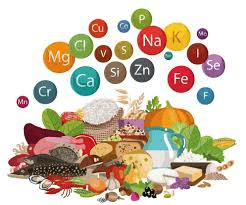
  1. Elements in foods that our body needs to develop and function normallys.
    Minerals
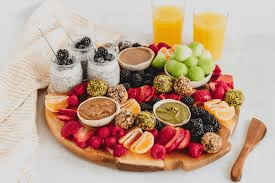
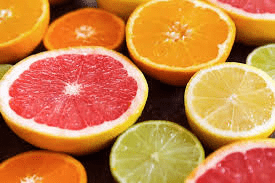
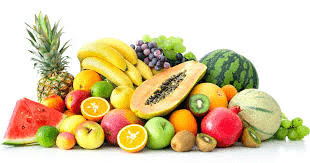
  2. These foods are packed with vitamins, minerals, antioxidants, and fiber. They promote heart health, digestion, control blood sugar levels, and boost immunity.
    Fruits
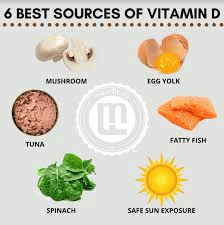
  3. Nutrient the body needs, along with calcium, to build bones and keep them healthy. Some sources are fish, red meat, and egg yolks.
    Vitamin D
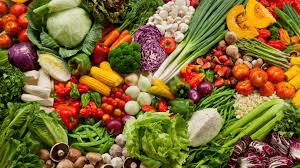
  4. The edible parts of plants—including roots, stems, leaves, flowers, fruits, and seeds—that are low in calories but high in vitamins, minerals, fiber, and antioxidants, contributing to numerous health benefits
    Vegetables
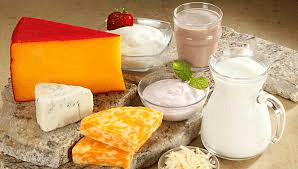
  5. These products help with bone health, muscle growth and repair, immune function, cardiovascular health, and are rich in nutrients.
    Dairy
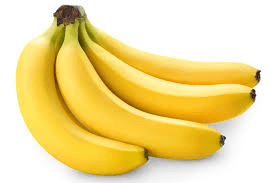
  6. Excellent source of essential nutrients, including potassium, vitamin B6, magnesium, fiber, and antioxidants. They are high in potassium, which helps regulate blood pressure and supports heart health
    Banana
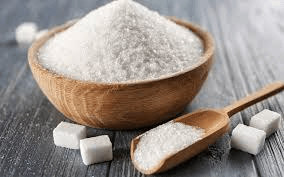
  7. Excess of this food can contribute to health problems such as obesity, diabetes, and tooth decay, with health organizations recommending limits for daily intake
    Sugar
  8. Eating disorder in which people avoid or severely restrict food
    Anorexia
  9. food substances that are required for the growth and maintenance of the body’s cells
    Nutrients
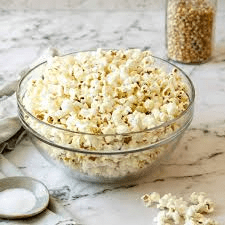
  10. This snack is rich in fiber that is naturally low in calories, fat and sugar
    Popcorn
  11. This nutrient helps the body with the immune system and fighting off bacteria.
    Vitamin C
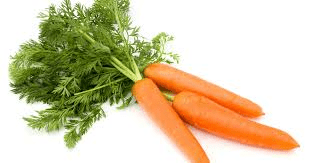
  12. These are an excellent source of Vitamin A which helps with vision.
    Carrots
  13. Small, nutrient-dense, whole foods, such as fruits, vegetables, nuts, and low-fat dairy, that provide energy, fiber, and protein to keep you full and satisfied between meals without causing a significant "sugar crash"
    Healthy Snacks
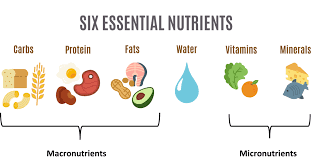
  14. Things your body needs in large quantitates like carbohydrates proteins and fats
    Macronutrients
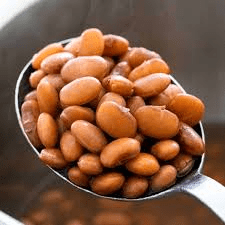
  15. Nutrient dense food that is a good source for protein and fiber which makes it rare because it can fall into 2 food categories.
    Pinto Beans
  16. children ages 12 to 18 that suggest a limit of 100 milligrams a day
    Caffeine
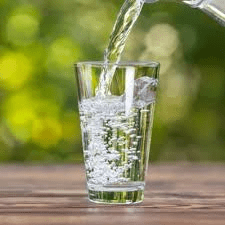
  17. Carries other nutrients to your cells, carries away waste, and regulates your body temperature
    Water

  18. One of the best desserts of all time
    Ice Cream
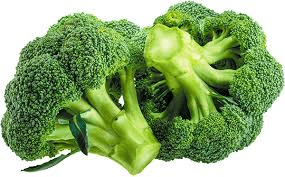
  19. Nutritious vegetable packed with vitamins, minerals, and antioxidants and every teens favorite food
    Brocoli
  20. These can help dissolve certain vitamins and carry them to body cells to help keep your skin healthy. However, eating too much can cause weight gain and may lead to health problems such as cancer and heart disease.
    Fats
  21. The process by which the body's cells convert food and drink into energy
    Metabolism
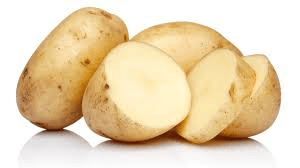
  22. These are good sources of carbohydrates that help with energy for athletes
    Potatoes
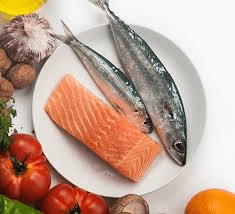
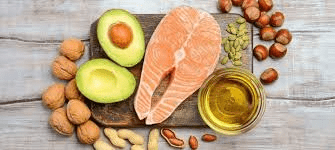
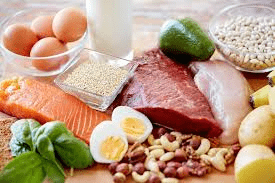
  23. This food is a good source of omega fatty acids, protein, and offer benefits such as improved heart and brain health, reduced inflammation, and better vision
    Fish
  24. Things your body needs in small quantities like vitamins and minerals
    Micronutrients
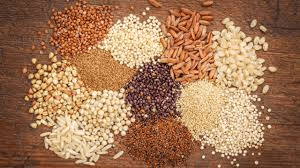
  25. Small, hard, dry fruits or seeds of grass-like plants (cereals) and legumes, harvested for food or animal feed
    Grains
  26. Eating disorder characterized by regular, often secretive bouts of
    Bulimia
  27. build, repair, and maintain body cells
    Protein
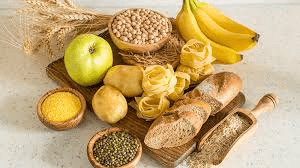
  28. Provide you with your main source of energy.
    Carbohydrates