(Print) Use this randomly generated list as your call list when playing the game. There is no need to say the BINGO column name. Place some kind of mark (like an X, a checkmark, a dot, tally mark, etc) on each cell as you announce it, to keep track. You can also cut out each item, place them in a bag and pull words from the bag.
1
2
3
4
5
6
7
8
9
10
11
12
13
14
15
16
17
18
19
20
21
22
23
24
25
26
27
28
29
30
31
32
33
34
35
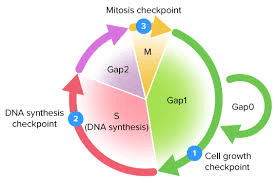
checkpoint protein tells cell to allow to proceed in the cell cycle
cyclin
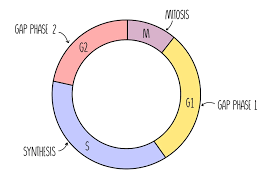
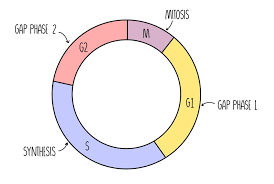
cell grows, makes protein need for DNA replication
G1 phase
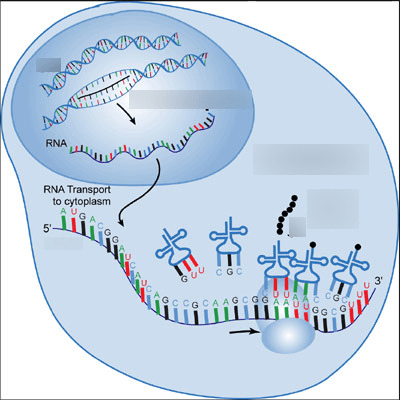
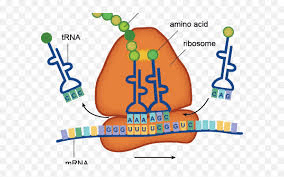
RNA molecule transcribed in the nucleus and goes to the cytoplasm
mRNA
Made up of nucleotides
Nucleic acid
Made up of A, T, C and G
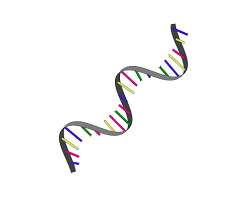
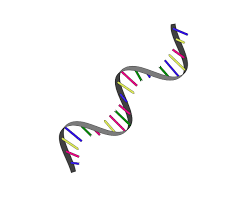
DNA
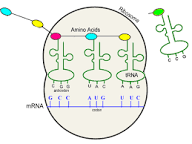
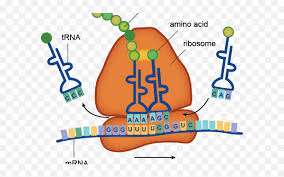
decoding a mRNA to make a protein
Translation
DNA Complementary sequence for
AATTCCG
TTAAGGC
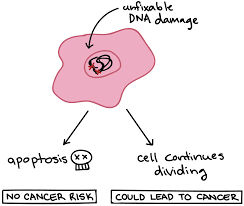
cell division without regulation
Cancer
Part of cell where protein synthesis occurs
Cytoplasm
organelle where protein synthesis occurs
Ribosome
Pairs with Cytosine, C
Guanine
G
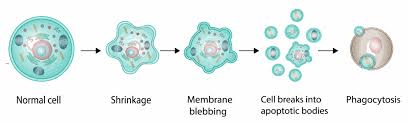
programmed cell death
Apoptosis
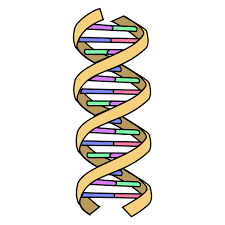
Deoxyribonucleic Acid
DNA
When the nucleus and the cytoplasm divide
Mitosis and Cytokinesis
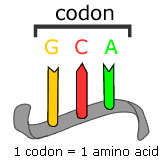
three nucleotides that encode for an amino acid
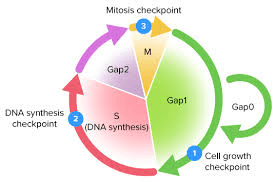
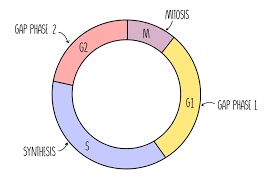
Cell cycle
checkpoint protein tells cell to stop and look for DNA damage
p53
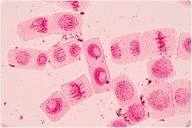
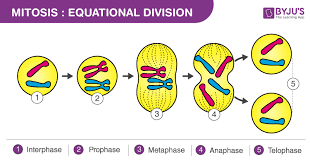
Prophase Metaphase Anaphase
Telophase
Mitosis
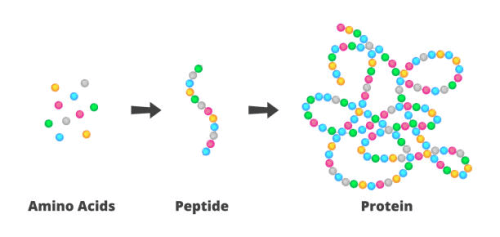
building blocks of a protein
amino acid
Nucleotide only found in RNA
Uracil U
part of cell cycle where DNA replication occurs
S phase
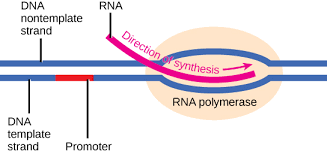
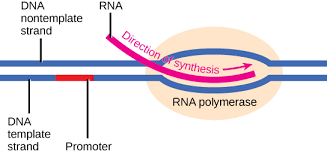
Copying DNA to mRNA
Transcription
RNA POLYMERASE
-does transcription
separates DNA
reads the template base
-matches the complementary base
-Connects the bases together
Steps of transcription
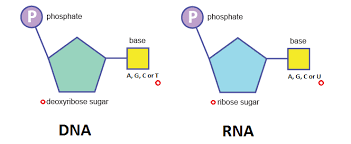
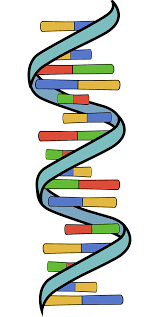
The structure of the DNA molecule
Double strand helix
Made up of A, U, C and G
RNA
Ribonucleic Acid
RNA
RNA molecule that carries an amino acid to the ribosome
tRNA
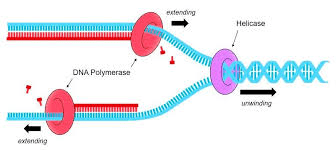
Involves Helicase, DNA polymerase,
and ligase
DNA replication
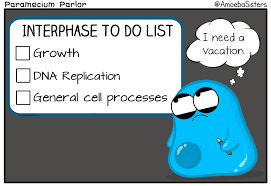
Includes G1, S and G2 phases
Interphase
The structure of the RNA molecule
single strand
organelle where DNA is stored
Nucleus
Pairs with Thymine, T
Adenine
A
RNA Complementary sequence for
AATTCCG
UUAAGGC
ensure that the cell is ready to proceed
Checkpoints