Diastole Bottom number of blood pressure when the heart is relaxing Image of the respiratory system Cilia Hair like extensions in the respiratory system that trap dirt and other particles using mucous Pulse point Location you can measure your heart rate Arteries Blood vessels that carry blood away from the heart Diaphragm Muscle that controls breathing Stroke, heart attack, atherosclerosis Circulatory system diseases Right Ventricle Chamber of the heart that pumps blood to the lungs Circulatory System Body system that acts a transportation system delivering oxygen and nutrients Tricuspid valve Valve found between the right atrium and right ventricle Diffusion Process in which oxygen moves into cells, high to low <120/80 Ideal blood pressure value Bronchitis, asthma, pneumonia Respiratory diseases Pharynx The passageway for both food and air Bronchioles Smaller bronchial tubes found in the lungs Bicuspid or mitral valve Valve found between the left atrium and left ventricle Larynx The voicebox Trachea Commonly known as the windpipe Systole Top number of blood pressure when the heart is contracting image of alveoli-sacs in the lungs where gas exchange takes place Right atrium Chamber of the heart. Receives blood from the body. Bronchi The two tubes that the trachea branch into Nasal cavity Location in respiratory system where air is filtered, warmed, and moistened Aorta Largest artery Capillaries The smallest blood vessels where gas exchange takes place Left atrium Chamber of the heart that receives blood from the lungs. atherosclerosis Build up of plaque in the arteries Hemoglobin Protein in blood that carries oxygen Left Ventricle Chamber of the heart that has the thickest walls. Pumps blood to the body. Thoracic Cavity Cavity where you find the heart and lungs Asphyxiation lack of oxygen due to suffocation, drowning, hanging, etc Epiglottis Flap over the trachea that prevents food from entering Veins Blood vessels that carry blood to the heart Vena Cava Largest vein Diastole Bottom number of blood pressure when the heart is relaxing Image of the respiratory system Cilia Hair like extensions in the respiratory system that trap dirt and other particles using mucous Pulse point Location you can measure your heart rate Arteries Blood vessels that carry blood away from the heart Diaphragm Muscle that controls breathing Stroke, heart attack, atherosclerosis Circulatory system diseases Right Ventricle Chamber of the heart that pumps blood to the lungs Circulatory System Body system that acts a transportation system delivering oxygen and nutrients Tricuspid valve Valve found between the right atrium and right ventricle Diffusion Process in which oxygen moves into cells, high to low <120/80 Ideal blood pressure value Bronchitis, asthma, pneumonia Respiratory diseases Pharynx The passageway for both food and air Bronchioles Smaller bronchial tubes found in the lungs Bicuspid or mitral valve Valve found between the left atrium and left ventricle Larynx The voicebox Trachea Commonly known as the windpipe Systole Top number of blood pressure when the heart is contracting image of alveoli-sacs in the lungs where gas exchange takes place Right atrium Chamber of the heart. Receives blood from the body. Bronchi The two tubes that the trachea branch into Nasal cavity Location in respiratory system where air is filtered, warmed, and moistened Aorta Largest artery Capillaries The smallest blood vessels where gas exchange takes place Left atrium Chamber of the heart that receives blood from the lungs. atherosclerosis Build up of plaque in the arteries Hemoglobin Protein in blood that carries oxygen Left Ventricle Chamber of the heart that has the thickest walls. Pumps blood to the body. Thoracic Cavity Cavity where you find the heart and lungs Asphyxiation lack of oxygen due to suffocation, drowning, hanging, etc Epiglottis Flap over the trachea that prevents food from entering Veins Blood vessels that carry blood to the heart Vena Cava Largest vein
(Print)
Bottom number of blood pressure when the heart is relaxing
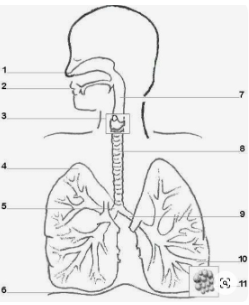
Image of the respiratory system
Hair like extensions in the respiratory system that trap dirt and other particles using mucous
Location you can measure your heart rate
Blood vessels that carry blood away from the heart
Muscle that controls breathing
Circulatory system diseases
Chamber of the heart that pumps blood to the lungs
Body system that acts a transportation system delivering oxygen and nutrients
Valve found between the right atrium and right ventricle
Process in which oxygen moves into cells, high to low
Ideal blood pressure value
Respiratory diseases
The passageway for both food and air
Smaller bronchial tubes found in the lungs
Valve found between the left atrium and left ventricle
The voicebox
Commonly known as the windpipe
Top number of blood pressure when the heart is contracting
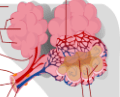
image of alveoli-sacs in the lungs where gas exchange takes place
Chamber of the heart. Receives blood from the body.
The two tubes that the trachea branch into
Location in respiratory system where air is filtered, warmed, and moistened
Largest artery
The smallest blood vessels where gas exchange takes place
Chamber of the heart that receives blood from the lungs.
Build up of plaque in the arteries
Protein in blood that carries oxygen
Chamber of the heart that has the thickest walls. Pumps blood to the body.
Cavity where you find the heart and lungs
lack of oxygen due to suffocation, drowning, hanging, etc
Flap over the trachea that prevents food from entering
Blood vessels that carry blood to the heart
Largest vein