permissionWhat you needto get from thecreator beforeusing theirwork.citationGiving creditto the creatorby namingthem andtheir work.commentaryor criticismWhen you talkabout or reviewsomeone’swork. Fair useallows this!Users can use andremix the work,but not makemoney as long asthey give credit tothe creator.publicdomainFree foreveryone touse becausethe copyrighthas expired ordoesn’t exist.ForeducationaluseA waystudents canclaim fair useof copyrightedmaterials.ParodyMaking afunny versionof someone’swork to jokeabout it.smallamountUsing aportion ofcopyrightedwork underfair use.All RightsReservedA copyright noticeindicating that acreator retains allprotections granted bylaw, forbiddingunauthorized copying,distribution, oradaptation of theirwork.creatorThe personwho made theoriginal work—like an author,artist, ormusician.Number ofyears afterthe death ofthe creatorCountdownto thepublicdomain.makemoneySomethingyou cannotdo whenclaiming fairuse.copyrightfree forallAnother wayto say ‘publicdomain’—anyone canuse it!Users must citethe work butcan use thiswork in anyway they seefit.Users mustcite the workand cannotmakechanges to it.exceptionA situationwhere copyrightrules don’t fullyapply, like fairuse.plagiarismCopyingsomeoneelse's workand pretendingit’s your own.restrictionsRules aboutwhat you can orcannot do withsomeone’swork.Users must citethe work and canremix, but mustput the samecreative commonssymbols on theirproduct.copyrightinfringementUsingsomeone’swork withoutpermission orbreakingcopyright rules.sharealikeA CreativeCommons rule—ifyou usesomeone’s work,you must shareyour version underthe same rules.copyrightA law thatprotects acreator’s workand gives themcontrol overhow it’s used.fairuseAn exception tocopyright—smallparts of work canbe used for certainpurposes likeeducation orparody.CreativeCommonsA type ofcopyrightlicense that letscreators sharetheir work withclear rules.permissionWhat you needto get from thecreator beforeusing theirwork.citationGiving creditto the creatorby namingthem andtheir work.commentaryor criticismWhen you talkabout or reviewsomeone’swork. Fair useallows this!Users can use andremix the work,but not makemoney as long asthey give credit tothe creator.publicdomainFree foreveryone touse becausethe copyrighthas expired ordoesn’t exist.ForeducationaluseA waystudents canclaim fair useof copyrightedmaterials.ParodyMaking afunny versionof someone’swork to jokeabout it.smallamountUsing aportion ofcopyrightedwork underfair use.All RightsReservedA copyright noticeindicating that acreator retains allprotections granted bylaw, forbiddingunauthorized copying,distribution, oradaptation of theirwork.creatorThe personwho made theoriginal work—like an author,artist, ormusician.Number ofyears afterthe death ofthe creatorCountdownto thepublicdomain.makemoneySomethingyou cannotdo whenclaiming fairuse.copyrightfree forallAnother wayto say ‘publicdomain’—anyone canuse it!Users must citethe work butcan use thiswork in anyway they seefit.Users mustcite the workand cannotmakechanges to it.exceptionA situationwhere copyrightrules don’t fullyapply, like fairuse.plagiarismCopyingsomeoneelse's workand pretendingit’s your own.restrictionsRules aboutwhat you can orcannot do withsomeone’swork.Users must citethe work and canremix, but mustput the samecreative commonssymbols on theirproduct.copyrightinfringementUsingsomeone’swork withoutpermission orbreakingcopyright rules.sharealikeA CreativeCommons rule—ifyou usesomeone’s work,you must shareyour version underthe same rules.copyrightA law thatprotects acreator’s workand gives themcontrol overhow it’s used.fairuseAn exception tocopyright—smallparts of work canbe used for certainpurposes likeeducation orparody.CreativeCommonsA type ofcopyrightlicense that letscreators sharetheir work withclear rules.

Copyright - Call List

(Print) Use this randomly generated list as your call list when playing the game. There is no need to say the BINGO column name. Place some kind of mark (like an X, a checkmark, a dot, tally mark, etc) on each cell as you announce it, to keep track. You can also cut out each item, place them in a bag and pull words from the bag.


1
2
3
4
5
6
7
8
9
10
11
12
13
14
15
16
17
18
19
20
21
22
23
24
  1. What you need to get from the creator before using their work.
    permission
  2. Giving credit to the creator by naming them and their work.
    citation
  3. When you talk about or review someone’s work. Fair use allows this!
    commentary or criticism
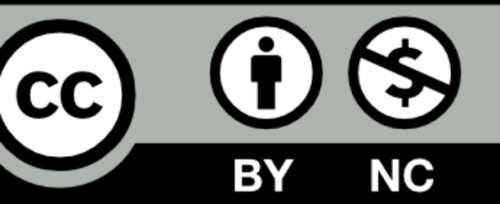
  4. Users can use and remix the work, but not make money as long as they give credit to the creator.
  5. Free for everyone to use because the copyright has expired or doesn’t exist.
    public domain
  6. A way students can claim fair use of copyrighted materials.
    For educational use
  7. Making a funny version of someone’s work to joke about it.
    Parody
  8. Using a portion of copyrighted work under fair use.
    small amount
  9. A copyright notice indicating that a creator retains all protections granted by law, forbidding unauthorized copying, distribution, or adaptation of their work.
    All Rights Reserved
  10. The person who made the original work—like an author, artist, or musician.
    creator
  11. Countdown to the public domain.
    Number of years after the death of the creator
  12. Something you cannot do when claiming fair use.
    make money
  13. Another way to say ‘public domain’—anyone can use it!
    copyright free for all
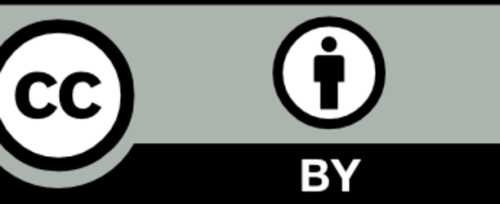
  14. Users must cite the work but can use this work in any way they see fit.
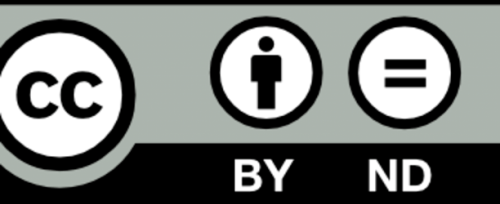
  15. Users must cite the work and cannot make changes to it.
  16. A situation where copyright rules don’t fully apply, like fair use.
    exception
  17. Copying someone else's work and pretending it’s your own.
    plagiarism
  18. Rules about what you can or cannot do with someone’s work.
    restrictions
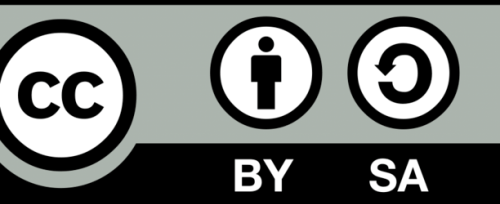
  19. Users must cite the work and can remix, but must put the same creative commons symbols on their product.
  20. Using someone’s work without permission or breaking copyright rules.
    copyright infringement
  21. A Creative Commons rule—if you use someone’s work, you must share your version under the same rules.
    share alike
  22. A law that protects a creator’s work and gives them control over how it’s used.
    copyright
  23. An exception to copyright—small parts of work can be used for certain purposes like education or parody.
    fair use
  24. A type of copyright license that lets creators share their work with clear rules.
    Creative Commons