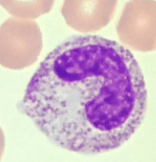
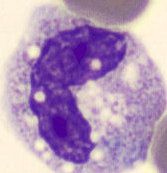
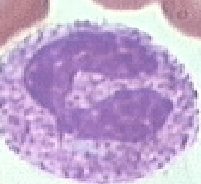
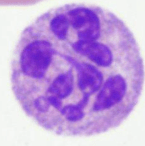
PromyelocyteIn this stage of WBCmaturation, theproduction of primarygranules begins. Thechromatin is slightlycondensing, and 1-3nucleoli may bevisible.ToxicVacuolizationThis toxic changeresults in colorlessareas in thecytoplasm thatindicate phagocytosisand degranulationhave occurred. AMLCD 33 and CD 13seen in adultsmedium to largemyeloblasts.MPO positiveSBB positiveEosinophilIncreases inthis type ofWBC can beseen in allergicand parasiticinfections.SmudgeCellThis abnormal WBCmorphology is associatedwith chronic lymphocyticleukemia and are remnantsof cells that lack anyidentifiable cytoplasmicmembrane or nuclearstructure. Adding 22%bovine albumin to the bloodsample prior to making thebloodHairy CellLeukemiaThis type of Blymphocyte hasabnormal cytoplasmicprojections that appear“hairy” under themicroscope. TRAPstain used forconfirmation.ETMyeloproliferativeneoplasmsinvolved withmegakaryocyticcell lineCLLclumped chromatin"cracked"appearance.presence of smudgecells. can make analbumin smear. manypatients have noapparent symptoms.BasophilIncreases in thistype of WBC can beseen in type 1hypersensitivityreactions. Thegranules of this cellcontain histamine.HypersegmentedThis type ofneutrophil has>5 lobes and isassociated withmegaloblasticanemia.ToxicGranulationThis toxic changeconsists ofprominent largeblue-black granulesdue to persistentstaining of primarygranules.MetamyelocyteIn this stage of WBCmaturation, the nucleus isindented <1/2 the width ofthe hypothetical roundnucleus. Nucleoli areabsent the chromatin iscoarse and clumped.Cytoplasm is pink withmany secondary granules.CML<20% blasts in BMlow LAP leukocytosiswith left shift in WBC.predominant cells areneutrophils andmyelocytes.Philadelphiachromosome.BandIn this stage of WBCmaturation, thenucleus is indented>1/2 the width of thehypothetical roundnucleus. The nucleusis shaped like “C, S,or U”.PVmyeloproliferativeneoplasmsassociated witherythroid cell lineJak2 mutationHodgkinLymphomaReed sternbergcells arepresent. Seenin youngerpopulation,good prognosisAuerrodsThese red, stainingneedle-like inclusionsresult from theabnormal fusion ofprimary granules andis often seen in thecytoplasm ofmyeloblasts.MonocyteIncreases in this type ofWBC can be seen intuberculosis, someautoimmune diseases,and irritable bowelsyndrome. Thecytoplasm has a ground-glass appearance andmay contain vacuoles.ALLNeutropenia.Lymphoblastscirculating.primarily in youngchildren. May beCNS involvementMultipleMyelomaa plasma cellcancer marked bymonoclonal IgG,normal anemia withrouleaux and highESR, plus BenceJones light chains.BlastThis cell is the earliestrecognizablegranulocyte precursor.The nucleus is round,centrally located withlightly packedchromatin and 2-5nucleoli.PMFBone marrowfibrosis teardrops seen onblood smear."Dry Tap"LeukemoidreactionThis is a benign,extreme orexaggerated responseto an infection orstimulus accompaniedby a shift to the left andtoxic changes toneutrophils.  MyelocyteIn this stage of WBCmaturation, the productionof secondary granulesbegins, and granulocytescan be differentiated intoneutrophils, basophils, andeosinophils. The cell hasan eccentric nucleus with aprominent perinuclearclearing beside thePromyelocyteIn this stage of WBCmaturation, theproduction of primarygranules begins. Thechromatin is slightlycondensing, and 1-3nucleoli may bevisible.ToxicVacuolizationThis toxic changeresults in colorlessareas in thecytoplasm thatindicate phagocytosisand degranulationhave occurred. AMLCD 33 and CD 13seen in adultsmedium to largemyeloblasts.MPO positiveSBB positiveEosinophilIncreases inthis type ofWBC can beseen in allergicand parasiticinfections.SmudgeCellThis abnormal WBCmorphology is associatedwith chronic lymphocyticleukemia and are remnantsof cells that lack anyidentifiable cytoplasmicmembrane or nuclearstructure. Adding 22%bovine albumin to the bloodsample prior to making thebloodHairy CellLeukemiaThis type of Blymphocyte hasabnormal cytoplasmicprojections that appear“hairy” under themicroscope. TRAPstain used forconfirmation.ETMyeloproliferativeneoplasmsinvolved withmegakaryocyticcell lineCLLclumped chromatin"cracked"appearance.presence of smudgecells. can make analbumin smear. manypatients have noapparent symptoms.BasophilIncreases in thistype of WBC can beseen in type 1hypersensitivityreactions. Thegranules of this cellcontain histamine.HypersegmentedThis type ofneutrophil has>5 lobes and isassociated withmegaloblasticanemia.ToxicGranulationThis toxic changeconsists ofprominent largeblue-black granulesdue to persistentstaining of primarygranules.MetamyelocyteIn this stage of WBCmaturation, the nucleus isindented <1/2 the width ofthe hypothetical roundnucleus. Nucleoli areabsent the chromatin iscoarse and clumped.Cytoplasm is pink withmany secondary granules.CML<20% blasts in BMlow LAP leukocytosiswith left shift in WBC.predominant cells areneutrophils andmyelocytes.Philadelphiachromosome.BandIn this stage of WBCmaturation, thenucleus is indented>1/2 the width of thehypothetical roundnucleus. The nucleusis shaped like “C, S,or U”.PVmyeloproliferativeneoplasmsassociated witherythroid cell lineJak2 mutationHodgkinLymphomaReed sternbergcells arepresent. Seenin youngerpopulation,good prognosisAuerrodsThese red, stainingneedle-like inclusionsresult from theabnormal fusion ofprimary granules andis often seen in thecytoplasm ofmyeloblasts.MonocyteIncreases in this type ofWBC can be seen intuberculosis, someautoimmune diseases,and irritable bowelsyndrome. Thecytoplasm has a ground-glass appearance andmay contain vacuoles.ALLNeutropenia.Lymphoblastscirculating.primarily in youngchildren. May beCNS involvementMultipleMyelomaa plasma cellcancer marked bymonoclonal IgG,normal anemia withrouleaux and highESR, plus BenceJones light chains.BlastThis cell is the earliestrecognizablegranulocyte precursor.The nucleus is round,centrally located withlightly packedchromatin and 2-5nucleoli.PMFBone marrowfibrosis teardrops seen onblood smear."Dry Tap"LeukemoidreactionThis is a benign,extreme orexaggerated responseto an infection orstimulus accompaniedby a shift to the left andtoxic changes toneutrophils.  MyelocyteIn this stage of WBCmaturation, the productionof secondary granulesbegins, and granulocytescan be differentiated intoneutrophils, basophils, andeosinophils. The cell hasan eccentric nucleus with aprominent perinuclearclearing beside the

WBC Bingo - Call List

(Print) Use this randomly generated list as your call list when playing the game. There is no need to say the BINGO column name. Place some kind of mark (like an X, a checkmark, a dot, tally mark, etc) on each cell as you announce it, to keep track. You can also cut out each item, place them in a bag and pull words from the bag.


1
2
3
4
5
6
7
8
9
10
11
12
13
14
15
16
17
18
19
20
21
22
23
24
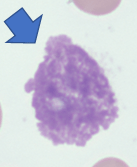
  1. In this stage of WBC maturation, the production of primary granules begins. The chromatin is slightly condensing, and 1-3 nucleoli may be visible.
    Promyelocyte
  2. This toxic change results in colorless areas in the cytoplasm that indicate phagocytosis and degranulation have occurred.
    Toxic Vacuolization
  3. CD 33 and CD 13 seen in adults medium to large myeloblasts. MPO positive SBB positive
    AML
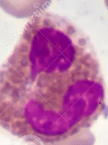
  4. Increases in this type of WBC can be seen in allergic and parasitic infections.
    Eosinophil
  5. This abnormal WBC morphology is associated with chronic lymphocytic leukemia and are remnants of cells that lack any identifiable cytoplasmic membrane or nuclear structure. Adding 22% bovine albumin to the blood sample prior to making the blood
    Smudge Cell
  6. This type of B lymphocyte has abnormal cytoplasmic projections that appear “hairy” under the microscope. TRAP stain used for confirmation.
    Hairy Cell Leukemia
  7. Myeloproliferative neoplasms involved with megakaryocytic cell line
    ET
  8. clumped chromatin "cracked" appearance. presence of smudge cells. can make an albumin smear. many patients have no apparent symptoms.
    CLL
  9. Increases in this type of WBC can be seen in type 1 hypersensitivity reactions. The granules of this cell contain histamine.
    Basophil
  10. This type of neutrophil has >5 lobes and is associated with megaloblastic anemia.
    Hypersegmented
  11. This toxic change consists of prominent large blue-black granules due to persistent staining of primary granules.
    Toxic Granulation
  12. In this stage of WBC maturation, the nucleus is indented <1/2 the width of the hypothetical round nucleus. Nucleoli are absent the chromatin is coarse and clumped. Cytoplasm is pink with many secondary granules.
    Metamyelocyte
  13. <20% blasts in BM low LAP leukocytosis with left shift in WBC. predominant cells are neutrophils and myelocytes. Philadelphia chromosome.
    CML
  14. In this stage of WBC maturation, the nucleus is indented >1/2 the width of the hypothetical round nucleus. The nucleus is shaped like “C, S, or U”.
    Band
  15. myeloproliferative neoplasms associated with erythroid cell line Jak2 mutation
    PV
  16. Reed sternberg cells are present. Seen in younger population, good prognosis
    Hodgkin Lymphoma
  17. These red, staining needle-like inclusions result from the abnormal fusion of primary granules and is often seen in the cytoplasm of myeloblasts.
    Auer rods
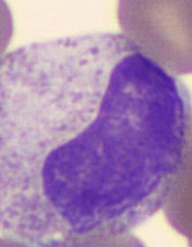
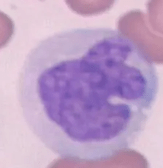
  18. Increases in this type of WBC can be seen in tuberculosis, some autoimmune diseases, and irritable bowel syndrome. The cytoplasm has a ground-glass appearance and may contain vacuoles.
    Monocyte
  19. Neutropenia. Lymphoblasts circulating. primarily in young children. May be CNS involvement
    ALL
  20. a plasma cell cancer marked by monoclonal IgG, normal anemia with rouleaux and high ESR, plus Bence Jones light chains.
    Multiple Myeloma
  21. This cell is the earliest recognizable granulocyte precursor. The nucleus is round, centrally located with lightly packed chromatin and 2-5 nucleoli.
    Blast

  22. Bone marrow fibrosis tear drops seen on blood smear. "Dry Tap"
    PMF
  23. This is a benign, extreme or exaggerated response to an infection or stimulus accompanied by a shift to the left and toxic changes to neutrophils.
    Leukemoid reaction
  24. In this stage of WBC maturation, the production of secondary granules begins, and granulocytes can be differentiated into neutrophils, basophils, and eosinophils. The cell has an eccentric nucleus with a prominent perinuclear clearing beside the
    Myelocyte