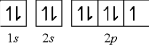
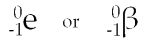
1s2 2s22p6 3s23p6 4s1decreasehalogensmetalloidsbyatomicmassNa, K,Rb, Cssubatomicparticlesbyatomicnumberatomicnumber___s2massnumberEN &IEincreasesdirectARisotopeenergyrequiredto remove1 electronvery littlevolume butmost of themassperiod31s22s22p6inversefusionalkalimetalscentralnucleusw/electronsin atomicorbitals1s2 2s22p6 3s23p6 4s1decreasehalogensmetalloidsbyatomicmassNa, K,Rb, Cssubatomicparticlesbyatomicnumberatomicnumber___s2massnumberEN &IEincreasesdirectARisotopeenergyrequiredto remove1 electronvery littlevolume butmost of themassperiod31s22s22p6inversefusionalkalimetalscentralnucleusw/electronsin atomicorbitals

Electron Configuration & Orbital Notation - Call List

(Print) Use this randomly generated list as your call list when playing the game. There is no need to say the BINGO column name. Place some kind of mark (like an X, a checkmark, a dot, tally mark, etc) on each cell as you announce it, to keep track. You can also cut out each item, place them in a bag and pull words from the bag.

1
2
3
4
5
6
7
8
9
10
11
12
13
14
15
16
17
18
19
20
21
22
23
24
25
26
27
28
29
  1. 1s2 2s2 2p6 3s2 3p6 4s1
  2. decrease
  3. halogens
  4. metalloids
  5. by atomic mass
  6. Na, K, Rb, Cs
  7. subatomic particles
  8. by atomic number
  9. atomic number
  10. ___s2
  11. mass number
  12. EN & IE
  13. increases
  14. direct
  15. AR
  16. isotope
  17. energy required to remove 1 electron
  18. very little volume but most of the mass
  19. period 3
  20. 1s2 2s2 2p6
  21. inverse
  22. fusion
  23. alkali metals
  24. central nucleus w/electrons in atomic orbitals