CompoundA chemical compoundis a chemicalsubstance composedof many identicalmolecules composedof atoms from morethan one element heldtogether by chemicalbonds.PhysicalChangePhysical changesare changesaffecting the form ofa chemicalsubstance, but notits chemicalcomposition.SodiumNitrateModelan object, diagram,or computer programthat helps usunderstandsomething by makingit simpler or easier toseeSubstancesomething thatis made of allthe sameatoms orgroups ofatomsMeltingPointthe temperature atwhich a substancechanges from thesolid phase to theliquid phaseReactanta startingsubstancethat is part ofa chemicalreactionPropertysomething thatcan be observedabout asubstance, suchas color, smell, orboiling pointExtendedStructurea structure formedby repeatinggroups of atomsthat link togetherin a large networkBoilingPointthe temperature atwhich a substancechanges from theliquid phase to thegas phaseCorrosiveable tocausedamageProductan endingsubstance thatis made duringa chemicalreactionFertilizera substancethat is addedto soil tohelp plantsgrowMixturea mixture is amaterial made up oftwo or moredifferent substanceswhich are physicallycombined.ChemicalFormulaletters and numbersshowing the typesand number ofatoms that repeat tomake up asubstanceTableSaltChemicalReactiona process inwhich atomsrearrange toform newsubstancesRearrangeto changethe order orposition ofsomethingScaletherelativesize ofthingsMoleculea group ofatoms joinedtogether in aparticularwayChemicalBondsA chemicalbond is alastingattractionbetween atomsChemicalChangeChemical changesoccur when asubstancecombines withanother to form anew substanceRustAtomthe tiny piecesthat all matter—all the stuffin the world—is made ofCompoundA chemical compoundis a chemicalsubstance composedof many identicalmolecules composedof atoms from morethan one element heldtogether by chemicalbonds.PhysicalChangePhysical changesare changesaffecting the form ofa chemicalsubstance, but notits chemicalcomposition.SodiumNitrateModelan object, diagram,or computer programthat helps usunderstandsomething by makingit simpler or easier toseeSubstancesomething thatis made of allthe sameatoms orgroups ofatomsMeltingPointthe temperature atwhich a substancechanges from thesolid phase to theliquid phaseReactanta startingsubstancethat is part ofa chemicalreactionPropertysomething thatcan be observedabout asubstance, suchas color, smell, orboiling pointExtendedStructurea structure formedby repeatinggroups of atomsthat link togetherin a large networkBoilingPointthe temperature atwhich a substancechanges from theliquid phase to thegas phaseCorrosiveable tocausedamageProductan endingsubstance thatis made duringa chemicalreactionFertilizera substancethat is addedto soil tohelp plantsgrowMixturea mixture is amaterial made up oftwo or moredifferent substanceswhich are physicallycombined.ChemicalFormulaletters and numbersshowing the typesand number ofatoms that repeat tomake up asubstanceTableSaltChemicalReactiona process inwhich atomsrearrange toform newsubstancesRearrangeto changethe order orposition ofsomethingScaletherelativesize ofthingsMoleculea group ofatoms joinedtogether in aparticularwayChemicalBondsA chemicalbond is alastingattractionbetween atomsChemicalChangeChemical changesoccur when asubstancecombines withanother to form anew substanceRustAtomthe tiny piecesthat all matter—all the stuffin the world—is made of

Chemical Reactions Vocabulary - Call List

(Print) Use this randomly generated list as your call list when playing the game. Place some kind of mark (like an X, a checkmark, a dot, tally mark, etc) on each cell as you announce it, to keep track. You can also cut out each item, place them in a bag and pull words from the bag.


1
N N
2
G G
3
N N
4
G G
5
I I
6
N N
7
G G
8
I I
9
B B
10
I I
11
O O
12
B B
13
I I
14
G G
15
N N
16
I I
17
G G
18
O O
19
B B
20
O O
21
O O
22
O O
23
B B
24
B B
  1. N-A chemical compound is a chemical substance composed of many identical molecules composed of atoms from more than one element held together by chemical bonds.
    N-Compound
  2. G-Physical changes are changes affecting the form of a chemical substance, but not its chemical composition.
    G-Physical Change
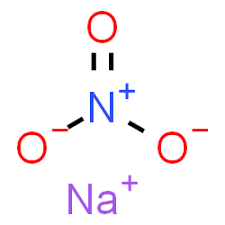
  3. N-Sodium Nitrate
    N-
  4. G-an object, diagram, or computer program that helps us understand something by making it simpler or easier to see
    G-Model
  5. I-something that is made of all the same atoms or groups of atoms
    I-Substance
  6. N-the temperature at which a substance changes from the solid phase to the liquid phase
    N-Melting Point
  7. G-a starting substance that is part of a chemical reaction
    G-Reactant
  8. I-something that can be observed about a substance, such as color, smell, or boiling point
    I-Property

  9. B-a structure formed by repeating groups of atoms that link together in a large network
    B-Extended Structure
  10. I-the temperature at which a substance changes from the liquid phase to the gas phase
    I-Boiling Point
  11. O-able to cause damage
    O-Corrosive
  12. B-an ending substance that is made during a chemical reaction
    B-Product
  13. I-a substance that is added to soil to help plants grow
    I-Fertilizer
  14. G-a mixture is a material made up of two or more different substances which are physically combined.
    G-Mixture
  15. N-letters and numbers showing the types and number of atoms that repeat to make up a substance
    N-Chemical Formula
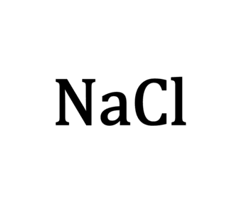
  16. I-Table Salt
    I-
  17. G-a process in which atoms rearrange to form new substances
    G-Chemical Reaction
  18. O-to change the order or position of something
    O-Rearrange
  19. B-the relative size of things
    B-Scale
  20. O-a group of atoms joined together in a particular way
    O-Molecule
  21. O-A chemical bond is a lasting attraction between atoms
    O-Chemical Bonds
  22. O-Chemical changes occur when a substance combines with another to form a new substance
    O-Chemical Change
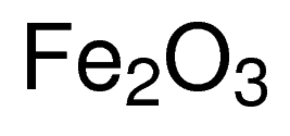
  23. B-Rust
    B-
  24. B-the tiny pieces that all matter—all the stuff in the world—is made of
    B-Atom