Habitat where anorganismlivesGoogleClassroomSomethingyou won'thave to openuntil nextyear!phenomenonA fact orevent thatcan beobservedquestiona strongscience oneof these isspecific andtestableA very funway to getdown ahilla beautifulice crystalthat fallsfrom the skyDecomposergets energyby eatingother alreadydeadorgansims   ProducerMakes own foodusingsunlight/CO2/WaterCocoadelicious withmarshmallowsor whippedcreamusually threestackedsnowballswith a facedatainformationcollected fromobservationand/ormeasurementsymbiosisa longtermecologicalpartnershipcarbohydratesFoodmoleculesmade byproducersrespirationthe processthat breaksdown food tomake cellenergyabioticnonlivingFree!best forshowing dataabout parts ofa whole (likepercenatges)photosynthesisthe processby whichproducersmake foodJanuary5thOur firstday backat schoolqualitativedata that isdescriptive(nonumbers)    food weba diagram thatuses arrows toshow howenergy flows inan ecosystemBest forcomparingdata fromdifferentcategoriesBioticlivingGrapha way ofdisplayingdata thatclearly showspatternsBest forshowing howtwo variablesare related(change overtime)    consumergets energyby eatingotherorganismscompetitionwhen twoorganismstry to use thesameresourceWhat weusually getinstead ofsnow inOregoncookieschocolatechip isone tastykindfeedingrelationshipsa relationshipwhen oneorganism gainsenergy byeating anotherecosystemall the livingandnonlivingparts of anenvironmentquantitativedata frommeasurements(numbers)Habitat where anorganismlivesGoogleClassroomSomethingyou won'thave to openuntil nextyear!phenomenonA fact orevent thatcan beobservedquestiona strongscience oneof these isspecific andtestableA very funway to getdown ahilla beautifulice crystalthat fallsfrom the skyDecomposergets energyby eatingother alreadydeadorgansims   ProducerMakes own foodusingsunlight/CO2/WaterCocoadelicious withmarshmallowsor whippedcreamusually threestackedsnowballswith a facedatainformationcollected fromobservationand/ormeasurementsymbiosisa longtermecologicalpartnershipcarbohydratesFoodmoleculesmade byproducersrespirationthe processthat breaksdown food tomake cellenergyabioticnonlivingFree!best forshowing dataabout parts ofa whole (likepercenatges)photosynthesisthe processby whichproducersmake foodJanuary5thOur firstday backat schoolqualitativedata that isdescriptive(nonumbers)    food weba diagram thatuses arrows toshow howenergy flows inan ecosystemBest forcomparingdata fromdifferentcategoriesBioticlivingGrapha way ofdisplayingdata thatclearly showspatternsBest forshowing howtwo variablesare related(change overtime)    consumergets energyby eatingotherorganismscompetitionwhen twoorganismstry to use thesameresourceWhat weusually getinstead ofsnow inOregoncookieschocolatechip isone tastykindfeedingrelationshipsa relationshipwhen oneorganism gainsenergy byeating anotherecosystemall the livingandnonlivingparts of anenvironmentquantitativedata frommeasurements(numbers)

Science BING - Call List

(Print) Use this randomly generated list as your call list when playing the game. There is no need to say the BINGO column name. Place some kind of mark (like an X, a checkmark, a dot, tally mark, etc) on each cell as you announce it, to keep track. You can also cut out each item, place them in a bag and pull words from the bag.

1
2
3
4
5
6
7
8
9
10
11
12
13
14
15
16
17
18
19
20
21
22
23
24
25
26
27
28
29
30
31
32
  1. where an organism lives
    Habitat
  2. Something you won't have to open until next year!
    Google Classroom
  3. A fact or event that can be observed
    phenomenon
  4. a strong science one of these is specific and testable
    question
  5. A very fun way to get down a hill
  6. a beautiful ice crystal that falls from the sky
  7. gets energy by eating other already dead organsims
    Decomposer
  8. Makes own food using sunlight/CO2/Water
    Producer
  9. delicious with marshmallows or whipped cream
    Cocoa
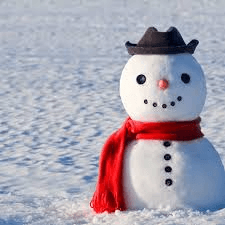
  10. usually three stacked snowballs with a face
  11. information collected from observation and/or measurement
    data
  12. a long term ecological partnership
    symbiosis
  13. Food molecules made by producers
    carbohydrates
  14. the process that breaks down food to make cell energy
    respiration
  15. nonliving
    abiotic
  16. Free!
  17. best for showing data about parts of a whole (like percenatges)
  18. the process by which producers make food
    photosynthesis
  19. Our first day back at school
    January 5th
  20. data that is descriptive (no numbers)
    qualitative
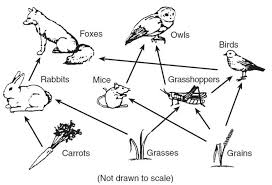
  21. a diagram that uses arrows to show how energy flows in an ecosystem
    food web
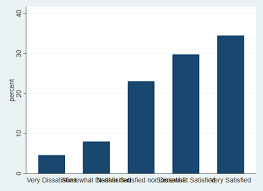
  22. Best for comparing data from different categories
  23. living
    Biotic
  24. a way of displaying data that clearly shows patterns
    Graph
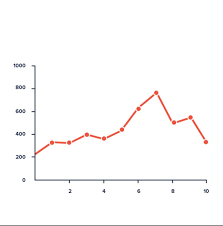
  25. Best for showing how two variables are related (change over time)
  26. gets energy by eating other organisms
    consumer
  27. when two organisms try to use the same resource
    competition
  28. What we usually get instead of snow in Oregon
  29. chocolate chip is one tasty kind
    cookies
  30. a relationship when one organism gains energy by eating another
    feeding relationships
  31. all the living and nonliving parts of an environment
    ecosystem
  32. data from measurements (numbers)
    quantitative