invert SN2 stereochemistry E2 elimination bimolecular SN2 reaction E2 example E2, E1 favors most substituted alkene isomer racemicize/ epimerize stereocenter SN1 stereochemistry:? polar aprotic SN2 solvent:? Free! E1 example ROH, NH3, H20 E1 solvents primary/ secondary SN2 Carbon:? polar protic SN1 solvent:? lone pair SN1 and E1 nucleophile:? E1 elimination unimolecular SN1 reaction SN1 substitution nucleophile unimolecular E1, SN1 Which reactions go through carbocation? SN1, E2, E1 tertiary or secondary? elimination make alkenes negative charge SN2 and E2 nucleophile:? SN2 substitution nucleophile bimolecular regioisomers the same functional groups but attached at different positions not important E2 solvent? invert SN2 stereochemistry E2 elimination bimolecular SN2 reaction E2 example E2, E1 favors most substituted alkene isomer racemicize/ epimerize stereocenter SN1 stereochemistry:? polar aprotic SN2 solvent:? Free! E1 example ROH, NH3, H20 E1 solvents primary/ secondary SN2 Carbon:? polar protic SN1 solvent:? lone pair SN1 and E1 nucleophile:? E1 elimination unimolecular SN1 reaction SN1 substitution nucleophile unimolecular E1, SN1 Which reactions go through carbocation? SN1, E2, E1 tertiary or secondary? elimination make alkenes negative charge SN2 and E2 nucleophile:? SN2 substitution nucleophile bimolecular regioisomers the same functional groups but attached at different positions not important E2 solvent?
(Print) Use this randomly generated list as your call list when playing the game. There is no need to say the BINGO column name. Place some kind of mark (like an X, a checkmark, a dot, tally mark, etc) on each cell as you announce it, to keep track. You can also cut out each item, place them in a bag and pull words from the bag.
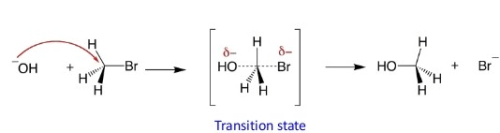
SN2 stereochemistry
invert
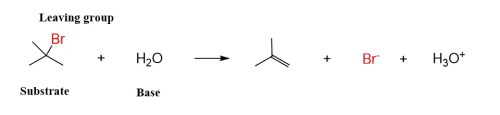
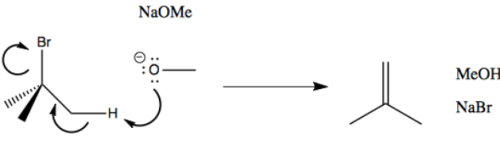
elimination bimolecular
E2
SN2 reaction
E2 example
favors most substituted alkene isomer
E2, E1
SN1 stereochemistry:?
racemicize/ epimerize stereocenter
SN2 solvent:?
polar aprotic
Free!
E1 example
E1 solvents
ROH, NH3, H20
SN2 Carbon:?
primary/ secondary
SN1 solvent:?
polar protic
SN1 and E1 nucleophile:?
lone pair
elimination unimolecular
E1
SN1 reaction
substitution
nucleophile
unimolecular
SN1
Which reactions go through carbocation?
E1, SN1
tertiary or secondary?
SN1, E2, E1
make alkenes
elimination
SN2 and E2 nucleophile:?
negative charge
substitution
nucleophile
bimolecular
SN2
the same functional groups
but attached at different positions
regioisomers

E2 solvent?
not important