Likely toidentify multiplereinforcers In aminimal timeSINGLESTIMULUSThisassessmentcan showfalse positiveresultsPositional biasrequires moretime than MSWoh and freeoperantassessmentMSWFREEOPERANTLess likely toidentify multiplereinforcers thanother methodPROS OfpreferenceassessmentCan identifymultiplereinforcersand activitiesAccommodatelarger itemsand activitiesCan identifymultiplereinforcers for agreater numberof items.PreferenceAssessmentMSWOAskingaboutstimuluspreferencesCons ofpreferenceAssessmentsPositionalbias Limitedtwo smallerand feweritemsLess likely toevoke problembehavior,requiresminimal timePAIREDSTIMULUSLikely toidentify multiplereinforcers In aminimal timeSINGLESTIMULUSThisassessmentcan showfalse positiveresultsPositional biasrequires moretime than MSWoh and freeoperantassessmentMSWFREEOPERANTLess likely toidentify multiplereinforcers thanother methodPROS OfpreferenceassessmentCan identifymultiplereinforcersand activitiesAccommodatelarger itemsand activitiesCan identifymultiplereinforcers for agreater numberof items.PreferenceAssessmentMSWOAskingaboutstimuluspreferencesCons ofpreferenceAssessmentsPositionalbias Limitedtwo smallerand feweritemsLess likely toevoke problembehavior,requiresminimal timePAIREDSTIMULUS

Preference assessments - Call List

(Print) Use this randomly generated list as your call list when playing the game. There is no need to say the BINGO column name. Place some kind of mark (like an X, a checkmark, a dot, tally mark, etc) on each cell as you announce it, to keep track. You can also cut out each item, place them in a bag and pull words from the bag.
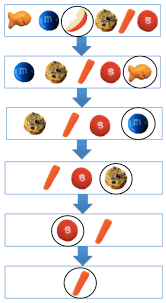
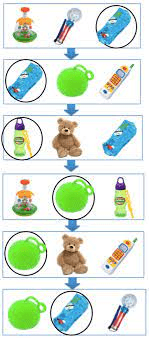

1
2
3
4
5
6
7
8
9
10
11
12
13
14
15
16
17
18
19
20
21
22
23
24
  1. Likely to identify multiple reinforcers In a minimal time
  2. SINGLE STIMULUS
  3. This assessment can show false positive results
  4. Positional bias requires more time than MSW oh and free operant assessment
  5. MSW
  6. FREE OPERANT
  7. Less likely to identify multiple reinforcers than other method
  8. PROS Of preference assessment
  9. Can identify multiple reinforcers and activities
  10. Accommodate larger items and activities
  11. Can identify multiple reinforcers for a greater number of items.
  12. Preference Assessment
  13. MSWO
  14. Asking about stimulus preferences
  15. Cons of preference Assessments
  16. Positional bias Limited two smaller and fewer items
  17. Less likely to evoke problem behavior, requires minimal time
  18. PAIRED STIMULUS