eating__ disorders suchas anorexia andbulimia have manycauses and aretreated based onthe individual'sneedsfriendspeople that canhelp supportyour health andencourage youin positive waysacuteRapid heart rateand breathing,trembling, dilatedpupils and flushedskin are symptomsof this type of stressendorphinsthese are chemicalsreleased in the brainwhen someoneexercises. Theymake you feel good!accidentsthe leadingcause ofdeath inteens (12-19yrs)self-managementthe ability to regulateone's emotions,thoughts, andbehaviors effectivelyin different situationsmindfulnessa therapeutictechnique usedto relieve stressby focusing oncalming themind and bodyyogaIt includes breathcontrol, simplemeditation, andspecific bodilypostures, is widelypracticed for healthand relaxationeveryhourhow often oneteen pedestrianin the U.S. isinjured or diesafter being hit bya carbriskwalkinganexample ofmoderateexerciseAccording to theUSDA, these arethe dietary foodgroups thatAmericans shouldbalanceCPRchest compressionsand rescue breathsgiven to someonewith a pattern of 2rescue breaths per30 compressions.chronicThis type of stressincreases the risk ofdepression, anxiety,heart disease, and aweakened immunesystembikehelmetsWhen fittedproperly, these canreduce the risk ofhead injuries by 85percent and TBIs by88 percentjogginganexample ofvigorousexercisemelanomaSunscreen withSPF30+ isrecommendedto reduce yourrisk of this typeof cancer.cortisolthe body'smainstresshormonesleepingOn average,teens spend7 hours aday doingthis60 min/60%in order to reducerisk of hearing loss,one should limit theiruse of earbuds to thisamount of time andthis percentage of fullvolumeconcussiona mild TBIthat canhappen aftera blow or joltto the head3 timesa weekAt minimum, thisis how oftenteens shouldexercise for atleast 30 minutessuicidewarning signs of thiscould include talkingabout death,withdrawing fromfriends, increasingrisky behaviors likedrinking or drugsme/myselfwho is ultimatelyresponsible formaking decisionsthat support yourhealth?screentimetoo much of thiscan contribute toobesity, attentionproblems, andsleep disorderseating__ disorders suchas anorexia andbulimia have manycauses and aretreated based onthe individual'sneedsfriendspeople that canhelp supportyour health andencourage youin positive waysacuteRapid heart rateand breathing,trembling, dilatedpupils and flushedskin are symptomsof this type of stressendorphinsthese are chemicalsreleased in the brainwhen someoneexercises. Theymake you feel good!accidentsthe leadingcause ofdeath inteens (12-19yrs)self-managementthe ability to regulateone's emotions,thoughts, andbehaviors effectivelyin different situationsmindfulnessa therapeutictechnique usedto relieve stressby focusing oncalming themind and bodyyogaIt includes breathcontrol, simplemeditation, andspecific bodilypostures, is widelypracticed for healthand relaxationeveryhourhow often oneteen pedestrianin the U.S. isinjured or diesafter being hit bya carbriskwalkinganexample ofmoderateexerciseAccording to theUSDA, these arethe dietary foodgroups thatAmericans shouldbalanceCPRchest compressionsand rescue breathsgiven to someonewith a pattern of 2rescue breaths per30 compressions.chronicThis type of stressincreases the risk ofdepression, anxiety,heart disease, and aweakened immunesystembikehelmetsWhen fittedproperly, these canreduce the risk ofhead injuries by 85percent and TBIs by88 percentjogginganexample ofvigorousexercisemelanomaSunscreen withSPF30+ isrecommendedto reduce yourrisk of this typeof cancer.cortisolthe body'smainstresshormonesleepingOn average,teens spend7 hours aday doingthis60 min/60%in order to reducerisk of hearing loss,one should limit theiruse of earbuds to thisamount of time andthis percentage of fullvolumeconcussiona mild TBIthat canhappen aftera blow or joltto the head3 timesa weekAt minimum, thisis how oftenteens shouldexercise for atleast 30 minutessuicidewarning signs of thiscould include talkingabout death,withdrawing fromfriends, increasingrisky behaviors likedrinking or drugsme/myselfwho is ultimatelyresponsible formaking decisionsthat support yourhealth?screentimetoo much of thiscan contribute toobesity, attentionproblems, andsleep disorders

Self-Management - Call List

(Print) Use this randomly generated list as your call list when playing the game. There is no need to say the BINGO column name. Place some kind of mark (like an X, a checkmark, a dot, tally mark, etc) on each cell as you announce it, to keep track. You can also cut out each item, place them in a bag and pull words from the bag.


1
2
3
4
5
6
7
8
9
10
11
12
13
14
15
16
17
18
19
20
21
22
23
24
  1. __ disorders such as anorexia and bulimia have many causes and are treated based on the individual's needs
    eating
  2. people that can help support your health and encourage you in positive ways
    friends
  3. Rapid heart rate and breathing, trembling, dilated pupils and flushed skin are symptoms of this type of stress
    acute
  4. these are chemicals released in the brain when someone exercises. They make you feel good!
    endorphins
  5. the leading cause of death in teens (12-19 yrs)
    accidents
  6. the ability to regulate one's emotions, thoughts, and behaviors effectively in different situations
    self-management
  7. a therapeutic technique used to relieve stress by focusing on calming the mind and body
    mindfulness

  8. It includes breath control, simple meditation, and specific bodily postures, is widely practiced for health and relaxation
    yoga
  9. how often one teen pedestrian in the U.S. is injured or dies after being hit by a car
    every hour
  10. an example of moderate exercise
    brisk walking
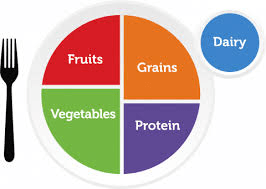
  11. According to the USDA, these are the dietary food groups that Americans should balance
  12. chest compressions and rescue breaths given to someone with a pattern of 2 rescue breaths per 30 compressions.
    CPR
  13. This type of stress increases the risk of depression, anxiety, heart disease, and a weakened immune system
    chronic
  14. When fitted properly, these can reduce the risk of head injuries by 85 percent and TBIs by 88 percent
    bike helmets
  15. an example of vigorous exercise
    jogging
  16. Sunscreen with SPF30+ is recommended to reduce your risk of this type of cancer.
    melanoma
  17. the body's main stress hormone
    cortisol
  18. On average, teens spend 7 hours a day doing this
    sleeping
  19. in order to reduce risk of hearing loss, one should limit their use of earbuds to this amount of time and this percentage of full volume
    60 min/ 60%
  20. a mild TBI that can happen after a blow or jolt to the head
    concussion
  21. At minimum, this is how often teens should exercise for at least 30 minutes
    3 times a week
  22. warning signs of this could include talking about death, withdrawing from friends, increasing risky behaviors like drinking or drugs
    suicide
  23. who is ultimately responsible for making decisions that support your health?
    me/myself
  24. too much of this can contribute to obesity, attention problems, and sleep disorders
    screen time