rest for a fewhours,refrain fromsneezing orrubbing noseinstructionsonceepistaxis hasstoppedfrequentswallowingconcerningfinding forpost oprhinoplastyptpharyngitisinflammationof thepharynxaspirationsuctioningprior todeflating cuffpreventscoverwithscarfhow towarminspired airfor trach ptkeep pton sidepost opinterventionpositioningaftertonsillectomyesophagealspeechswallow airand force itback upthrough theesophaguspassy-Muirvalvept usingpassy-muir valveantibiotictherapyonlybacterialpharyngitisrequiresstomaopeningpain ofupperteethsymptomofsinusitislarynoscopeusedduringintubationinspectptmouthintervention ifpost optonsillectomy ptis clearingthroatfrequentlytalking1 wayvalve boxallowstrach pt toapprehensivept withnew trachmay feelparts oftracheostomycrepitationgrating soundor feeling ofrough surfacerubbingtogetherobturatorused toguide trachtube duringinsertionfatigueOSA pt wakefrequentlyduring thenightcausingpipecleanerclean theinnercannula oftrach tubewithpt withepistaxisinstruct this ptto sit forwardand pinchnose belowthe bonetrachplacementmethod ofcommunicationpost oplaryngectomypt priorityneedrhinitisinflammationof nose andupperrespiratorytractrest for a fewhours,refrain fromsneezing orrubbing noseinstructionsonceepistaxis hasstoppedfrequentswallowingconcerningfinding forpost oprhinoplastyptpharyngitisinflammationof thepharynxaspirationsuctioningprior todeflating cuffpreventscoverwithscarfhow towarminspired airfor trach ptkeep pton sidepost opinterventionpositioningaftertonsillectomyesophagealspeechswallow airand force itback upthrough theesophaguspassy-Muirvalvept usingpassy-muir valveantibiotictherapyonlybacterialpharyngitisrequiresstomaopeningpain ofupperteethsymptomofsinusitislarynoscopeusedduringintubationinspectptmouthintervention ifpost optonsillectomy ptis clearingthroatfrequentlytalking1 wayvalve boxallowstrach pt toapprehensivept withnew trachmay feelparts oftracheostomycrepitationgrating soundor feeling ofrough surfacerubbingtogetherobturatorused toguide trachtube duringinsertionfatigueOSA pt wakefrequentlyduring thenightcausingpipecleanerclean theinnercannula oftrach tubewithpt withepistaxisinstruct this ptto sit forwardand pinchnose belowthe bonetrachplacementmethod ofcommunicationpost oplaryngectomypt priorityneedrhinitisinflammationof nose andupperrespiratorytract

MS Respiratory CH 13 - Call List

(Print) Use this randomly generated list as your call list when playing the game. There is no need to say the BINGO column name. Place some kind of mark (like an X, a checkmark, a dot, tally mark, etc) on each cell as you announce it, to keep track. You can also cut out each item, place them in a bag and pull words from the bag.
1
2
3
4
5
6
7
8
9
10
11
12
13
14
15
16
17
18
19
20
21
22
23
24
25
  1. instructions once epistaxis has stopped
    rest for a few hours, refrain from sneezing or rubbing nose
  2. concerning finding for post op rhinoplasty pt
    frequent swallowing
  3. inflammation of the pharynx
    pharyngitis
  4. suctioning prior to deflating cuff prevents
    aspiration
  5. how to warm inspired air for trach pt
    cover with scarf
  6. intervention positioning after tonsillectomy
    keep pt on side post op
  7. swallow air and force it back up through the esophagus
    esophageal speech
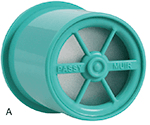
  8. passy-Muir valve
  9. pt using passy-muir valve
  10. only bacterial pharyngitis requires
    antibiotic therapy
  11. opening
    stoma
  12. symptom of sinusitis
    pain of upper teeth
  13. used during intubation
    larynoscope
  14. intervention if post op tonsillectomy pt is clearing throat frequently
    inspect pt mouth
  15. 1 way valve box allows trach pt to
    talking
  16. pt with new trach may feel
    apprehensive
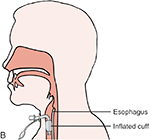
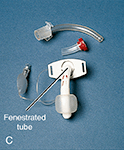
  17. parts of tracheostomy
  18. grating sound or feeling of rough surface rubbing together
    crepitation
  19. used to guide trach tube during insertion
    obturator
  20. OSA pt wake frequently during the night causing
    fatigue
  21. clean the inner cannula of trach tube with
    pipe cleaner
  22. instruct this pt to sit forward and pinch nose below the bone
    pt with epistaxis
  23. trach placement
  24. post op laryngectomy pt priority need
    method of communication
  25. inflammation of nose and upper respiratory tract
    rhinitis