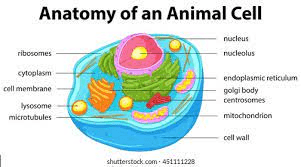
FlagellaPlantCellThe typeof cell thatmakes itsown foodAnimalCellDNAnuclearmembraneprotects thenucleus byallowing materialsto pass into andout of the nucleusvacuolesstorageareas ofthe cellSmoothEndoplasmicReticulummakes lipidsand removesharmfulsubstancesfrom the cellChloroplastsCiliahairlikestructuresthat movethe cellSmoothERRoughEndoplasmicreticulumribosomesare all overthis structureproducingproteinsChloroplastscapturesunlight anduse it toproduce foodfor the cellnucleusdirectsthe cell'sfunctionslysosomesbreak downcertainmaterials inthe cellCellWallprotectsandsupportsthe cellcellmembraneallowsmaterials topass intoand out ofthe cellLysosomesDNAinstructionsfor directingthe cell'sfunctionsFlagellawhip-liketail thatmoves thecellGolgiapparatusreceive,package,anddistributeproteinsMitochondriaRibosomesAnimalCellThe type ofcell thatdoes NOTmake its ownfoodCellMembranePlantCellVacuoleCiliaRoughERNucleolusribosomesareproducedhereNucleolusribosomesmakeproteinsnucleuscytoskeletonNetwork ofthreadlike proteinsthat are joinedtogether to helpgive the cell shapeand helps it moveNuclearMembraneCytoplasmGolgiApparatusmitochondriaconvertsenergy fromfood moleculesto energy thecell can usecytoplasmgel-like fluid in thecell that holds all thecell's organelles andcontains many of thematerials the cellneeds including saltCellWallFlagellaPlantCellThe typeof cell thatmakes itsown foodAnimalCellDNAnuclearmembraneprotects thenucleus byallowing materialsto pass into andout of the nucleusvacuolesstorageareas ofthe cellSmoothEndoplasmicReticulummakes lipidsand removesharmfulsubstancesfrom the cellChloroplastsCiliahairlikestructuresthat movethe cellSmoothERRoughEndoplasmicreticulumribosomesare all overthis structureproducingproteinsChloroplastscapturesunlight anduse it toproduce foodfor the cellnucleusdirectsthe cell'sfunctionslysosomesbreak downcertainmaterials inthe cellCellWallprotectsandsupportsthe cellcellmembraneallowsmaterials topass intoand out ofthe cellLysosomesDNAinstructionsfor directingthe cell'sfunctionsFlagellawhip-liketail thatmoves thecellGolgiapparatusreceive,package,anddistributeproteinsMitochondriaRibosomesAnimalCellThe type ofcell thatdoes NOTmake its ownfoodCellMembranePlantCellVacuoleCiliaRoughERNucleolusribosomesareproducedhereNucleolusribosomesmakeproteinsnucleuscytoskeletonNetwork ofthreadlike proteinsthat are joinedtogether to helpgive the cell shapeand helps it moveNuclearMembraneCytoplasmGolgiApparatusmitochondriaconvertsenergy fromfood moleculesto energy thecell can usecytoplasmgel-like fluid in thecell that holds all thecell's organelles andcontains many of thematerials the cellneeds including saltCellWall

Cell Parts and Functions - Call List

(Print) Use this randomly generated list as your call list when playing the game. There is no need to say the BINGO column name. Place some kind of mark (like an X, a checkmark, a dot, tally mark, etc) on each cell as you announce it, to keep track. You can also cut out each item, place them in a bag and pull words from the bag.


1
2
3
4
5
6
7
8
9
10
11
12
13
14
15
16
17
18
19
20
21
22
23
24
25
26
27
28
29
30
31
32
33
34
35
36
37
38
39
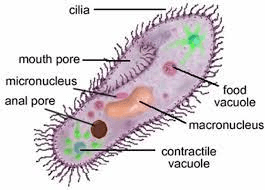
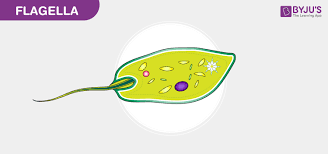
  1. Flagella
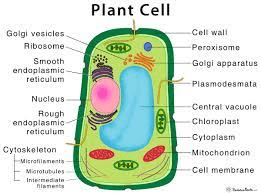
  2. The type of cell that makes its own food
    Plant Cell
  3. Animal Cell
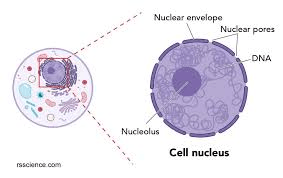
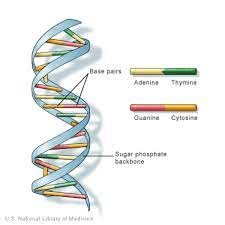
  4. DNA
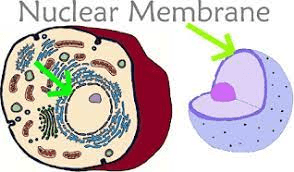
  5. protects the nucleus by allowing materials to pass into and out of the nucleus
    nuclear membrane
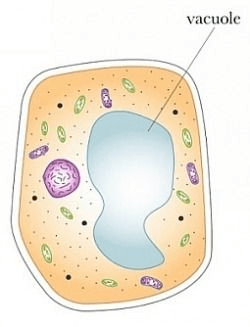
  6. storage areas of the cell
    vacuoles
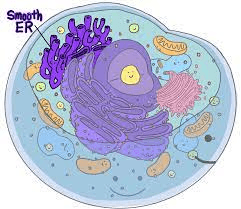
  7. makes lipids and removes harmful substances from the cell
    Smooth Endoplasmic Reticulum
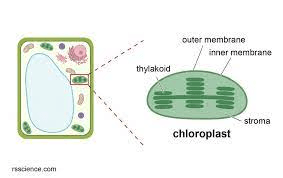
  8. Chloroplasts
  9. hairlike structures that move the cell
    Cilia
  10. Smooth ER
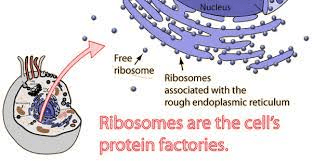
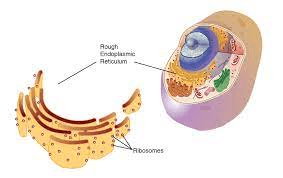
  11. ribosomes are all over this structure producing proteins
    Rough Endoplasmic reticulum
  12. capture sunlight and use it to produce food for the cell
    Chloroplasts
  13. directs the cell's functions
    nucleus
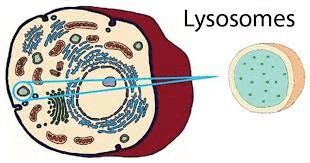
  14. break down certain materials in the cell
    lysosomes
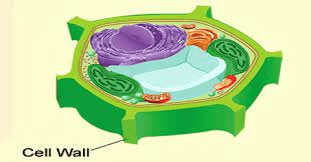
  15. protects and supports the cell
    Cell Wall
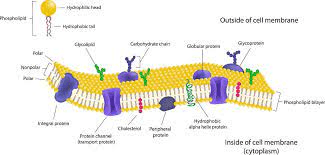
  16. allows materials to pass into and out of the cell
    cell membrane

  17. Lysosomes
  18. instructions for directing the cell's functions
    DNA
  19. whip-like tail that moves the cell
    Flagella
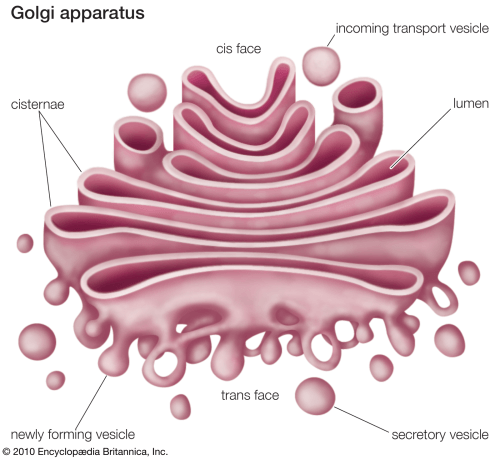
  20. receive, package, and distribute proteins
    Golgi apparatus
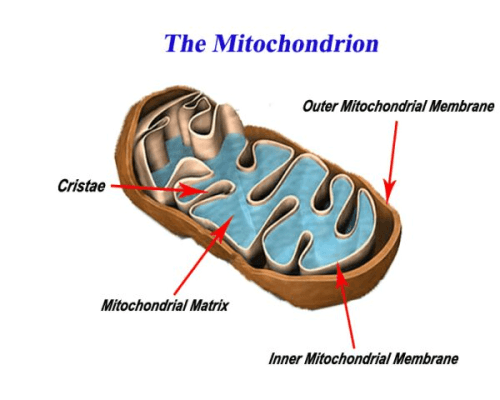
  21. Mitochondria
  22. Ribosomes
  23. The type of cell that does NOT make its own food
    Animal Cell
  24. Cell Membrane
  25. Plant Cell
  26. Vacuole
  27. Cilia
  28. Rough ER
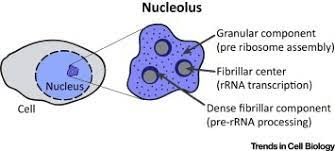
  29. ribosomes are produced here
    Nucleolus
  30. Nucleolus
  31. make proteins
    ribosomes
  32. nucleus
  33. Network of threadlike proteins that are joined together to help give the cell shape and helps it move
    cytoskeleton
  34. Nuclear Membrane
  35. Cytoplasm
  36. Golgi Apparatus
  37. converts energy from food molecules to energy the cell can use
    mitochondria
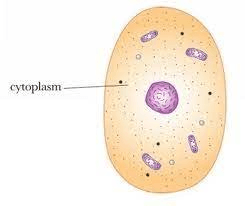
  38. gel-like fluid in the cell that holds all the cell's organelles and contains many of the materials the cell needs including salt
    cytoplasm
  39. Cell Wall