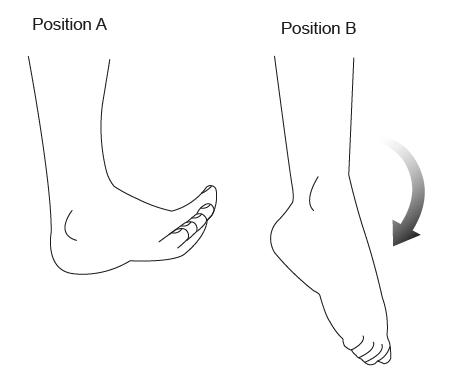
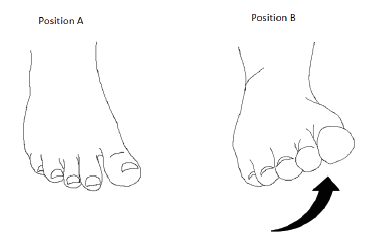
TypeII ADepressionnerve fibrethat carriesa nerveimpulseAdductionincreases theangle betweenthe bones ofthe limb at thejointcontractions producemovements of aconstant speedspecial piece ofequipment known asan Isokineticdynamometer isrequiredThickfilamentmovement of alimb or otherpart away fromthe midline ofthe bodyDendriteActinMyofibrilMyofilamentNeurotransmittermusclelengthensas itcontractshamstringsduring theupwardmovement ina squatFlexionIsotonicneurotransmitterreleased bynerve cells thatstimulates thecontraction of skeletalmuscles and helps tocarry impulses acrossthe synapse.Musclecontractsconcentricallyto move thebone relative tothe jointPronationContractionTime= SlowResistanceto Fatigue =HighContractionTime=very fastFatigueresistance=lowMotorNeuronegap acrosswhich nerveimpulses passfrom oneneuron to thenextBreaks apartacetylcholine toallow themuscle to relaxaftercontractionConcentricSlidingFilamentTheoryTypeII ADepressionnerve fibrethat carriesa nerveimpulseAdductionincreases theangle betweenthe bones ofthe limb at thejointcontractions producemovements of aconstant speedspecial piece ofequipment known asan Isokineticdynamometer isrequiredThickfilamentmovement of alimb or otherpart away fromthe midline ofthe bodyDendriteActinMyofibrilMyofilamentNeurotransmittermusclelengthensas itcontractshamstringsduring theupwardmovement ina squatFlexionIsotonicneurotransmitterreleased bynerve cells thatstimulates thecontraction of skeletalmuscles and helps tocarry impulses acrossthe synapse.Musclecontractsconcentricallyto move thebone relative tothe jointPronationContractionTime= SlowResistanceto Fatigue =HighContractionTime=very fastFatigueresistance=lowMotorNeuronegap acrosswhich nerveimpulses passfrom oneneuron to thenextBreaks apartacetylcholine toallow themuscle to relaxaftercontractionConcentricSlidingFilamentTheory

SEHS Topic 4.1 and 4.2 - Call List

(Print) Use this randomly generated list as your call list when playing the game. There is no need to say the BINGO column name. Place some kind of mark (like an X, a checkmark, a dot, tally mark, etc) on each cell as you announce it, to keep track. You can also cut out each item, place them in a bag and pull words from the bag.


1
2
3
4
5
6
7
8
9
10
11
12
13
14
15
16
17
18
19
20
21
22
23
24
25
26
27
28
29
  1. Type II A
  2. Depression
  3. nerve fibre that carries a nerve impulse
  4. Adduction
  5. increases the angle between the bones of the limb at the joint
  6. contractions produce movements of a constant speed special piece of equipment known as an Isokinetic dynamometer is required

  7. Thick filament
  8. movement of a limb or other part away from the midline of the body
  9. Dendrite
  10. Actin
  11. Myofibril
  12. Myofilament
  13. Neurotransmitter
  14. muscle lengthens as it contracts
  15. hamstrings during the upward movement in a squat
  16. Flexion
  17. Isotonic
  18. neurotransmitter released by nerve cells that stimulates the contraction of skeletal muscles and helps to carry impulses across the synapse.
  19. Muscle contracts concentrically to move the bone relative to the joint
  20. Pronation
  21. Contraction Time= Slow Resistance to Fatigue = High
  22. Contraction Time=very fast Fatigue resistance=low
  23. Motor Neurone
  24. gap across which nerve impulses pass from one neuron to the next
  25. Breaks apart acetylcholine to allow the muscle to relax after contraction
  26. Concentric
  27. Sliding Filament Theory