TRAITa physicalcharacteristicthat can bepassed downfrom parent tooffspringA picture ofchromosomesImage ofDNAdoublehelixUniqueThe word weuse when twooffspringinheritdifferent traits.mRNADNA isconverted towhat to fit outof the pores ofthe nucleus?A picture ofuniqueoffspring(sexualreproduction).GENEA small partof DNA thatcodes for aspecific trait.IdenticalThe word weuse for twooffspring thatlook thesame.GuanineCytosinepairs withwhatbase?A pictureof a traitDNAReplicationthe processof copyingour DNA iscalled?CytosineGuaninepairs withwhatbase?OFFSPRINGThescientificterm for ababy.ChromosomesStrands ofcompactedDNA found inthe nucleusof a cell.A pictureof basepairs.SEXUALA type ofreproductionwhere twoparents create aunique offspring,ThymineAdenine inDNA pairswith whatbase?DNAdeoxyribonucleicacid, also knownas the blueprintof our bodies.double-helixthe termused todescribe theshape ofDNA.A pictureof thenucleus.Nucleusthe part of thecell whereDNA andchromosomesare found.UracilAdenine inMRNA pairswith whatbase?ASEXUALa type ofreproductionwhere oneparent createsan identicaloffspring.Base-PairsA,C,T,Gareexamplesof what?TRAITa physicalcharacteristicthat can bepassed downfrom parent tooffspringA picture ofchromosomesImage ofDNAdoublehelixUniqueThe word weuse when twooffspringinheritdifferent traits.mRNADNA isconverted towhat to fit outof the pores ofthe nucleus?A picture ofuniqueoffspring(sexualreproduction).GENEA small partof DNA thatcodes for aspecific trait.IdenticalThe word weuse for twooffspring thatlook thesame.GuanineCytosinepairs withwhatbase?A pictureof a traitDNAReplicationthe processof copyingour DNA iscalled?CytosineGuaninepairs withwhatbase?OFFSPRINGThescientificterm for ababy.ChromosomesStrands ofcompactedDNA found inthe nucleusof a cell.A pictureof basepairs.SEXUALA type ofreproductionwhere twoparents create aunique offspring,ThymineAdenine inDNA pairswith whatbase?DNAdeoxyribonucleicacid, also knownas the blueprintof our bodies.double-helixthe termused todescribe theshape ofDNA.A pictureof thenucleus.Nucleusthe part of thecell whereDNA andchromosomesare found.UracilAdenine inMRNA pairswith whatbase?ASEXUALa type ofreproductionwhere oneparent createsan identicaloffspring.Base-PairsA,C,T,Gareexamplesof what?

Intro to Genetics Bingo - Call List

(Print) Use this randomly generated list as your call list when playing the game. There is no need to say the BINGO column name. Place some kind of mark (like an X, a checkmark, a dot, tally mark, etc) on each cell as you announce it, to keep track. You can also cut out each item, place them in a bag and pull words from the bag.


1
2
3
4
5
6
7
8
9
10
11
12
13
14
15
16
17
18
19
20
21
22
23
24
  1. a physical characteristic that can be passed down from parent to offspring
    TRAIT
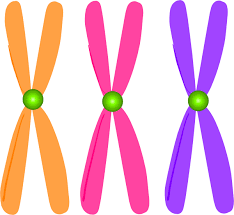
  2. A picture of chromosomes
  3. Image of DNA double helix
  4. The word we use when two offspring inherit different traits.
    Unique
  5. DNA is converted to what to fit out of the pores of the nucleus?
    mRNA

  6. A picture of unique offspring (sexual reproduction).
  7. A small part of DNA that codes for a specific trait.
    GENE
  8. The word we use for two offspring that look the same.
    Identical
  9. Cytosine pairs with what base?
    Guanine
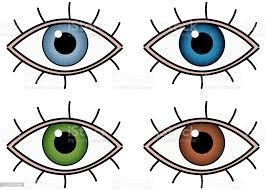
  10. A picture of a trait
  11. the process of copying our DNA is called?
    DNA Replication
  12. Guanine pairs with what base?
    Cytosine
  13. The scientific term for a baby.
    OFFSPRING
  14. Strands of compacted DNA found in the nucleus of a cell.
    Chromosomes
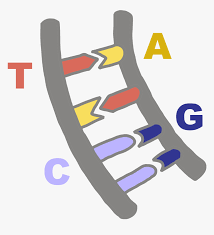
  15. A picture of base pairs.
  16. A type of reproduction where two parents create a unique offspring,
    SEXUAL
  17. Adenine in DNA pairs with what base?
    Thymine
  18. deoxyribonucleic acid, also known as the blueprint of our bodies.
    DNA
  19. the term used to describe the shape of DNA.
    double-helix
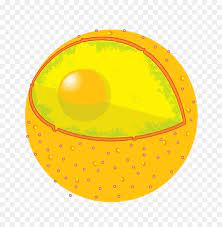
  20. A picture of the nucleus.
  21. the part of the cell where DNA and chromosomes are found.
    Nucleus
  22. Adenine in MRNA pairs with what base?
    Uracil
  23. a type of reproduction where one parent creates an identical offspring.
    ASEXUAL
  24. A,C,T,G are examples of what?
    Base-Pairs