type 1asupernovacrabnebulapulsara rotatingneutronstarmainsequence90% of allstars wouldbe classifiedas this typenebulaany typeof cloud ofgas &dustelementsthe absorptionlines of a starsspectra indicatewhat _____ astar is made ofHRdiagrama chartdisplayingseveralcharacteristicsof starsabsorptionlinesthe gapsin a starsspectracarbonmid-mass starsdie when theyget to thiselement in theircoreblackholethe mostmassive of themassive starscollapse tomake this whenthey dieinfraredlow energyradiation,just past thered end ofvisible lightstellarnurserya type ofnebulawhere starsare beingbornironmassive starsdie whenthey get tothis elment intheir coreheliumfusion ofHydrogenmakes thiselementblackdwarfwhat happensto whitedwarfs afterthey lose alltheir heatstara ball of gaspowered bynuclearfusionapparentmagnitudehow brighta starappearsneutronstarA star squishedto the size of acity, itsessentials a ballof atomic nucleigammaraythe highestenergyform ofradiationbluehot starsare thiscolortype 2supernovaA "normal"supernova thathappens whena stars nuclearfuel runs outbetelgeusethe star atthe upperleft ofOrionredcoolstars arethis colorwhitedwarfWhat oursun willbecome afterit dies.stellarspectroscopythe studyof the lightcomingfrom starsabsolutemagnitudehow brighta staractually ishydrogentheelementmost starsare fusingredgiantthe late lifephase formid-massstarsplanetarynebulathe sometimesring-likestructure thatremains when amid-mass stardiesfusionthe nuclearprocess thatpowers starsredsupergiantthe late lifephase ofhigh massstarssupernovawhen a starexplodes wecall it thishighmassthese typesof stars gosupernovawhen theydietype 1asupernovacrabnebulapulsara rotatingneutronstarmainsequence90% of allstars wouldbe classifiedas this typenebulaany typeof cloud ofgas &dustelementsthe absorptionlines of a starsspectra indicatewhat _____ astar is made ofHRdiagrama chartdisplayingseveralcharacteristicsof starsabsorptionlinesthe gapsin a starsspectracarbonmid-mass starsdie when theyget to thiselement in theircoreblackholethe mostmassive of themassive starscollapse tomake this whenthey dieinfraredlow energyradiation,just past thered end ofvisible lightstellarnurserya type ofnebulawhere starsare beingbornironmassive starsdie whenthey get tothis elment intheir coreheliumfusion ofHydrogenmakes thiselementblackdwarfwhat happensto whitedwarfs afterthey lose alltheir heatstara ball of gaspowered bynuclearfusionapparentmagnitudehow brighta starappearsneutronstarA star squishedto the size of acity, itsessentials a ballof atomic nucleigammaraythe highestenergyform ofradiationbluehot starsare thiscolortype 2supernovaA "normal"supernova thathappens whena stars nuclearfuel runs outbetelgeusethe star atthe upperleft ofOrionredcoolstars arethis colorwhitedwarfWhat oursun willbecome afterit dies.stellarspectroscopythe studyof the lightcomingfrom starsabsolutemagnitudehow brighta staractually ishydrogentheelementmost starsare fusingredgiantthe late lifephase formid-massstarsplanetarynebulathe sometimesring-likestructure thatremains when amid-mass stardiesfusionthe nuclearprocess thatpowers starsredsupergiantthe late lifephase ofhigh massstarssupernovawhen a starexplodes wecall it thishighmassthese typesof stars gosupernovawhen theydie

Stars - Call List

(Print) Use this randomly generated list as your call list when playing the game. There is no need to say the BINGO column name. Place some kind of mark (like an X, a checkmark, a dot, tally mark, etc) on each cell as you announce it, to keep track. You can also cut out each item, place them in a bag and pull words from the bag.


1
2
3
4
5
6
7
8
9
10
11
12
13
14
15
16
17
18
19
20
21
22
23
24
25
26
27
28
29
30
31
32
33

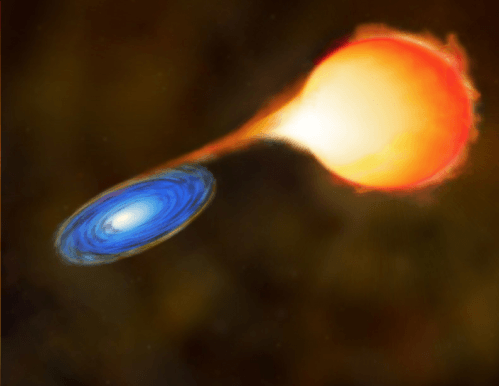
  1. type 1a supernova

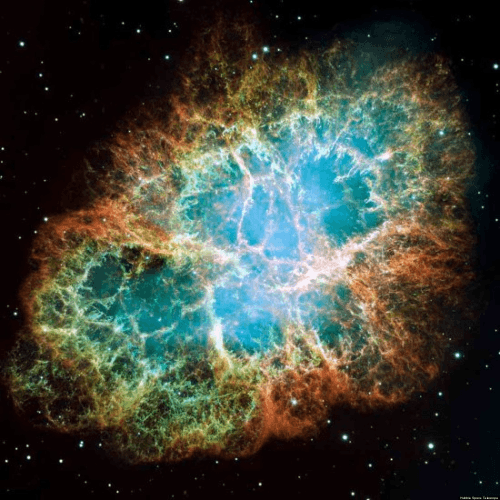
  2. crab nebula
  3. a rotating neutron star
    pulsar
  4. 90% of all stars would be classified as this type
    main sequence
  5. any type of cloud of gas & dust
    nebula
  6. the absorption lines of a stars spectra indicate what _____ a star is made of
    elements
  7. a chart displaying several characteristics of stars
    HR diagram
  8. the gaps in a stars spectra
    absorption lines
  9. mid-mass stars die when they get to this element in their core
    carbon
  10. the most massive of the massive stars collapse to make this when they die
    black hole
  11. low energy radiation, just past the red end of visible light
    infrared
  12. a type of nebula where stars are being born
    stellar nursery
  13. massive stars die when they get to this elment in their core
    iron
  14. fusion of Hydrogen makes this element
    helium
  15. what happens to white dwarfs after they lose all their heat
    black dwarf
  16. a ball of gas powered by nuclear fusion
    star
  17. how bright a star appears
    apparent magnitude
  18. A star squished to the size of a city, its essentials a ball of atomic nuclei
    neutron star
  19. the highest energy form of radiation
    gamma ray
  20. hot stars are this color
    blue
  21. A "normal" supernova that happens when a stars nuclear fuel runs out
    type 2 supernova
  22. the star at the upper left of Orion
    betelgeuse
  23. cool stars are this color
    red
  24. What our sun will become after it dies.
    white dwarf
  25. the study of the light coming from stars
    stellar spectroscopy
  26. how bright a star actually is
    absolute magnitude
  27. the element most stars are fusing
    hydrogen
  28. the late life phase for mid-mass stars
    red giant
  29. the sometimes ring-like structure that remains when a mid-mass star dies
    planetary nebula

  30. the nuclear process that powers stars
    fusion
  31. the late life phase of high mass stars
    red supergiant
  32. when a star explodes we call it this
    supernova
  33. these types of stars go supernova when they die
    high mass