RepolarisationVasodilationInflammationPhosphatehead & 2fatty acidtailsPassivetransportCellbody(soma)Anaerobicrespiration/fermentation(yeast)CountercurrentflowOsmosisExocytosisEnzymesIntrinsicproteinHelperT cellsHormonesPrimaryimmuneresponseInflammatoryresponseHistamineFish Gills(countercurrentflow)AntigenAfferentimpulses(towardsCNS)golgiapparatusFluidmosaicmodelSievetubesDendritesNADHNephronHibernationCollectingductOsmoregulatorMHCreceptorNADPHElectronTransportChainThyroxineviruslifecycleacquiredimmuneresponse(antibodyproducing B-cells)HypertonicInnate (non-specific)immuneresponseHydrophobicInduced-fit & Lockand keytheoryArtificialimmunityLysosome(lysozyme)CompanioncellsGlycolysisDenaturedLightindependentreactionsSecondaryimmuneresponseActionpotentialPhospholipidbilayerHomeostasisWaterpotentialComplementsystemHyperthermiaHumoralimmuneresponseStomataSensoryreceptors(chemo, thermo,photo, mechano,noci)SodiuminfluxXylemActivesiteDigestivesystem(Villi)MastcellAdhesion-cohesion(plants)LightdependentreactionsHydrophilicSieveplateslacticacidMoistsurface(Lungs)AerobiccellularrespirationTranspirationPholoemPostsynapticneuronGlomerulusADHNodesofRanvierDistalconvolutedtubuleEfferentimpulses(away fromCNS, to theeffector)PhagocytosisSelf & Non-selfrecognition(immuneresponse)Effector/PlasmacellsNeurotransmitterNodes ofRanvier(neuron)OsmoconformerMemorycellsPathogenSchwanncellsBcellsAxonSodium-potassiumpumpCiliaandMucusVaccineHypothermiaPotassiumeffluxAlveoliMyelinsheathAntibody(variableregion)LargeSA:V ratio(Lungs)ToxinneutralisationvirulencefactorsKleptothermySA:VPassiveimmunityAdaptive(specific)immuneresponse(vertebrates)CapillariesADP+ pKreb'scyclePresynapticneuronMotorneuronOxygendissociationcurveAminoacidsHypotonicNegativefeedbacksystemsEndocytosisFattyacids andglycerolChloroplastsGlycolipidEffectors(musclesandglands)SynapseGlycoproteindiseasevector (e.g.mosquito -carries thepathogen)SensoryneuronActiveimmunityRestingmembranepotentialHyperpolarisationLoop ofHenleEukaryoticcellProkaryoticcellOpsonisationTSHExtrinsicproteinActivetransportLargeconcentrationgradientmaintained(Lungs)Bowman'scapsuleacquiredimmuneresponse (T-cellactivation)AntibodiesNaturalimmunityCell-mediatedimmuneresponsePhotosynthesisTRHThresholdpotential(neuron)NucleotidesMitochondriaATPInsulinProximalconvolutedtubuleAgglutinationGasexchangeIsotonicAnaerobicrespiration(animals)PyruvateDepolarisationRepolarisationVasodilationInflammationPhosphatehead & 2fatty acidtailsPassivetransportCellbody(soma)Anaerobicrespiration/fermentation(yeast)CountercurrentflowOsmosisExocytosisEnzymesIntrinsicproteinHelperT cellsHormonesPrimaryimmuneresponseInflammatoryresponseHistamineFish Gills(countercurrentflow)AntigenAfferentimpulses(towardsCNS)golgiapparatusFluidmosaicmodelSievetubesDendritesNADHNephronHibernationCollectingductOsmoregulatorMHCreceptorNADPHElectronTransportChainThyroxineviruslifecycleacquiredimmuneresponse(antibodyproducing B-cells)HypertonicInnate (non-specific)immuneresponseHydrophobicInduced-fit & Lockand keytheoryArtificialimmunityLysosome(lysozyme)CompanioncellsGlycolysisDenaturedLightindependentreactionsSecondaryimmuneresponseActionpotentialPhospholipidbilayerHomeostasisWaterpotentialComplementsystemHyperthermiaHumoralimmuneresponseStomataSensoryreceptors(chemo, thermo,photo, mechano,noci)SodiuminfluxXylemActivesiteDigestivesystem(Villi)MastcellAdhesion-cohesion(plants)LightdependentreactionsHydrophilicSieveplateslacticacidMoistsurface(Lungs)AerobiccellularrespirationTranspirationPholoemPostsynapticneuronGlomerulusADHNodesofRanvierDistalconvolutedtubuleEfferentimpulses(away fromCNS, to theeffector)PhagocytosisSelf & Non-selfrecognition(immuneresponse)Effector/PlasmacellsNeurotransmitterNodes ofRanvier(neuron)OsmoconformerMemorycellsPathogenSchwanncellsBcellsAxonSodium-potassiumpumpCiliaandMucusVaccineHypothermiaPotassiumeffluxAlveoliMyelinsheathAntibody(variableregion)LargeSA:V ratio(Lungs)ToxinneutralisationvirulencefactorsKleptothermySA:VPassiveimmunityAdaptive(specific)immuneresponse(vertebrates)CapillariesADP+ pKreb'scyclePresynapticneuronMotorneuronOxygendissociationcurveAminoacidsHypotonicNegativefeedbacksystemsEndocytosisFattyacids andglycerolChloroplastsGlycolipidEffectors(musclesandglands)SynapseGlycoproteindiseasevector (e.g.mosquito -carries thepathogen)SensoryneuronActiveimmunityRestingmembranepotentialHyperpolarisationLoop ofHenleEukaryoticcellProkaryoticcellOpsonisationTSHExtrinsicproteinActivetransportLargeconcentrationgradientmaintained(Lungs)Bowman'scapsuleacquiredimmuneresponse (T-cellactivation)AntibodiesNaturalimmunityCell-mediatedimmuneresponsePhotosynthesisTRHThresholdpotential(neuron)NucleotidesMitochondriaATPInsulinProximalconvolutedtubuleAgglutinationGasexchangeIsotonicAnaerobicrespiration(animals)PyruvateDepolarisation

11 Biology (ALL UNITS) - Call List

(Print) Use this randomly generated list as your call list when playing the game. There is no need to say the BINGO column name. Place some kind of mark (like an X, a checkmark, a dot, tally mark, etc) on each cell as you announce it, to keep track. You can also cut out each item, place them in a bag and pull words from the bag.


1
2
3
4
5
6
7
8
9
10
11
12
13
14
15
16
17
18
19
20
21
22
23
24
25
26
27
28
29
30
31
32
33
34
35
36
37
38
39
40
41
42
43
44
45
46
47
48
49
50
51
52
53
54
55
56
57
58
59
60
61
62
63
64
65
66
67
68
69
70
71
72
73
74
75
76
77
78
79
80
81
82
83
84
85
86
87
88
89
90
91
92
93
94
95
96
97
98
99
100
101
102
103
104
105
106
107
108
109
110
111
112
113
114
115
116
117
118
119
120
121
122
123
124
125
126
127
128
129
130
131
132
133
134
135
136
137
138
139
140
141
142
143
144
145
146
147
148
149
150
  1. Repolarisation
  2. Vasodilation
  3. Inflammation
  4. Phosphate head & 2 fatty acid tails
  5. Passive transport
  6. Cell body (soma)
  7. Anaerobic respiration/ fermentation (yeast)
  8. Countercurrent flow
  9. Osmosis
  10. Exocytosis
  11. Enzymes
  12. Intrinsic protein
  13. Helper T cells
  14. Hormones
  15. Primary immune response
  16. Inflammatory response
  17. Histamine
  18. Fish Gills (countercurrent flow)
  19. Antigen
  20. Afferent impulses (towards CNS)
  21. golgi apparatus
  22. Fluid mosaic model
  23. Sieve tubes
  24. Dendrites
  25. NADH
  26. Nephron
  27. Hibernation
  28. Collecting duct
  29. Osmoregulator
  30. MHC receptor
  31. NADPH
  32. Electron Transport Chain
  33. Thyroxine
  34. virus life cycle
  35. acquired immune response (antibody producing B-cells)
  36. Hypertonic
  37. Innate (non-specific) immune response
  38. Hydrophobic
  39. Induced-fit & Lock and key theory
  40. Artificial immunity
  41. Lysosome (lysozyme)
  42. Companion cells
  43. Glycolysis
  44. Denatured
  45. Light independent reactions
  46. Secondary immune response
  47. Action potential
  48. Phospholipid bilayer
  49. Homeostasis
  50. Water potential
  51. Complement system
  52. Hyperthermia
  53. Humoral immune response
  54. Stomata
  55. Sensory receptors (chemo, thermo, photo, mechano, noci)
  56. Sodium influx
  57. Xylem
  58. Active site
  59. Digestive system (Villi)
  60. Mast cell
  61. Adhesion-cohesion (plants)
  62. Light dependent reactions
  63. Hydrophilic
  64. Sieve plates
  65. lactic acid
  66. Moist surface (Lungs)
  67. Aerobic cellular respiration
  68. Transpiration
  69. Pholoem
  70. Postsynaptic neuron
  71. Glomerulus
  72. ADH
  73. Nodes of Ranvier
  74. Distal convoluted tubule
  75. Efferent impulses (away from CNS, to the effector)

  76. Phagocytosis
  77. Self & Non-self recognition (immune response)
  78. Effector/Plasma cells
  79. Neurotransmitter
  80. Nodes of Ranvier (neuron)
  81. Osmoconformer
  82. Memory cells
  83. Pathogen
  84. Schwann cells
  85. B cells
  86. Axon
  87. Sodium-potassium pump
  88. Cilia and Mucus
  89. Vaccine
  90. Hypothermia
  91. Potassium efflux
  92. Alveoli
  93. Myelin sheath
  94. Antibody (variable region)
  95. Large SA:V ratio (Lungs)
  96. Toxin neutralisation
  97. virulence factors
  98. Kleptothermy
  99. SA:V
  100. Passive immunity
  101. Adaptive (specific) immune response (vertebrates)
  102. Capillaries
  103. ADP + p
  104. Kreb's cycle
  105. Presynaptic neuron
  106. Motor neuron
  107. Oxygen dissociation curve
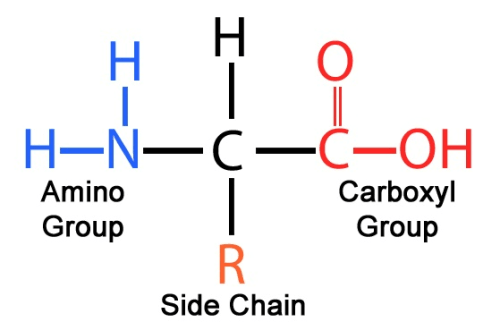
  108. Amino acids
  109. Hypotonic
  110. Negative feedback systems
  111. Endocytosis
  112. Fatty acids and glycerol
  113. Chloroplasts
  114. Glycolipid
  115. Effectors (muscles and glands)
  116. Synapse
  117. Glycoprotein
  118. disease vector (e.g. mosquito - carries the pathogen)
  119. Sensory neuron
  120. Active immunity
  121. Resting membrane potential
  122. Hyperpolarisation
  123. Loop of Henle
  124. Eukaryotic cell
  125. Prokaryotic cell
  126. Opsonisation
  127. TSH
  128. Extrinsic protein
  129. Active transport
  130. Large concentration gradient maintained (Lungs)
  131. Bowman's capsule
  132. acquired immune response (T-cell activation)
  133. Antibodies
  134. Natural immunity
  135. Cell-mediated immune response
  136. Photosynthesis
  137. TRH
  138. Threshold potential (neuron)
  139. Nucleotides
  140. Mitochondria
  141. ATP
  142. Insulin
  143. Proximal convoluted tubule
  144. Agglutination
  145. Gas exchange
  146. Isotonic
  147. Anaerobic respiration (animals)
  148. Pyruvate
  149. Depolarisation