Make sure youhave enoughspare batteriesto last threedaysScan and saveimportant documents,contacts, emails andphotos to a USB andkeep it in youremergency kitA properly equippedfirst aid kit can savelives. Make sure youinclude a first aidmanual and include aweek’s supply ofprescription and overthe countermedication.Make a three daymenu plan for yourhousehold andstore a supply ofnon-perishablefood in your kit.Although most tinshave a ring pull,there are still quitea few for whichyou will need acan opener.17 Rubbishbags toclean upyourbackyard16Protect your eyesfrom any flyingdebris whencleaning up postweather event.23 A tarpaulin and ropescan be used to cover anyareas of your home thatmay have been damagedduring severe weather.These should only beaffixed once the weathersystem has passed and itis safe to do so.19 A utility knifeis a useful toolduring and aftera disaster.Your emergency kit shouldcontain up to date copies ofimportant documents. Forexample documents couldinclude your driver licence,insurance policies (home,content, vehicles, life),passports, legal documents(property deed, wills etc.),birthFree!13Wrench orpliers can beused to turnoff all utilitiesYour mobile phone is key tokeeping connected duringa disaster. Extend the lifeof your phone by ensuringyou have a spare phonecharger packed as well asa fully charged portablebattery/power pack.  A pair of sturdywork gloves willhelp prevent injuryand infection whenhandling rubbishand debrisEven if your home is notdamaged in a disaster,electricity may not beavailable and you could beleft in the dark for quite awhile so include a torch (ortwo) ora battery powered lantern.   A battery poweredradio is one of themost reliable items ina disaster especiallyduring power andinternet loss18 Use awhistle forattractingattention if youneedassistance13 Place a reminder onyour evacuation checklistto grab valuables, photos(prints, CDs, USB datastick) and small mementos– make a list as it may behard to think clearly at thetime of evacuation12Pack a small amountof cash (notes andcoins) in case ATMsare inaccessible ornot working due topower failure.25 Beds can becomedamaged or soddenduring a weather eventsuch as a cyclone,severe storm or flood.Camping mattressesand sleeping bags areeasy to store with yourkit.  Pack 10 litresof drinkingwater perperson at aminimum11 For formula-fed babiescheck the use-by date onany formula and use itbefore it expires, replacingthe one in your kit.Queensland Healthrecommends storingenough ready-to-drinkformula for three days.Include toiletries youwill need for three dayssuch as toilet paper,toothpaste,toothbrushes, soap,shampoo, personalhygiene products,sunscreen and insectrepellent. 18 Non-perishablesnacks like mueslibars and packetsnacks will curbhunger until youreach yourevacuation point6 Add toiletries you willneed for three dayssuch as toilet paper,toothpaste, toothbrush,soap, shampoo,personal hygieneproducts, sunscreenand insect repellent.your pets have theirown special needs thatyou should prepareand plan for as aresponsible pet parent.For more detail checkout the Protect what’smost important to youbooklet. 15 In addition to basicitems make sure youinclude a warm jumper,waterproof jacket, ahat, gloves andenclosed-toed shoesor boots for eachhousehold member.4 Include any aidsrequired byhouseholdmembers such asprescriptionglasses, medic-alert24 Blankets willkeep you warmif you areexposed to theelements10 Pack some booksand games that donot require electricityto entertain youngerhousehold members.  Make sure youhave enoughspare batteriesto last threedaysScan and saveimportant documents,contacts, emails andphotos to a USB andkeep it in youremergency kitA properly equippedfirst aid kit can savelives. Make sure youinclude a first aidmanual and include aweek’s supply ofprescription and overthe countermedication.Make a three daymenu plan for yourhousehold andstore a supply ofnon-perishablefood in your kit.Although most tinshave a ring pull,there are still quitea few for whichyou will need acan opener.17 Rubbishbags toclean upyourbackyard16Protect your eyesfrom any flyingdebris whencleaning up postweather event.23 A tarpaulin and ropescan be used to cover anyareas of your home thatmay have been damagedduring severe weather.These should only beaffixed once the weathersystem has passed and itis safe to do so.19 A utility knifeis a useful toolduring and aftera disaster.Your emergency kit shouldcontain up to date copies ofimportant documents. Forexample documents couldinclude your driver licence,insurance policies (home,content, vehicles, life),passports, legal documents(property deed, wills etc.),birthFree!13Wrench orpliers can beused to turnoff all utilitiesYour mobile phone is key tokeeping connected duringa disaster. Extend the lifeof your phone by ensuringyou have a spare phonecharger packed as well asa fully charged portablebattery/power pack.  A pair of sturdywork gloves willhelp prevent injuryand infection whenhandling rubbishand debrisEven if your home is notdamaged in a disaster,electricity may not beavailable and you could beleft in the dark for quite awhile so include a torch (ortwo) ora battery powered lantern.   A battery poweredradio is one of themost reliable items ina disaster especiallyduring power andinternet loss18 Use awhistle forattractingattention if youneedassistance13 Place a reminder onyour evacuation checklistto grab valuables, photos(prints, CDs, USB datastick) and small mementos– make a list as it may behard to think clearly at thetime of evacuation12Pack a small amountof cash (notes andcoins) in case ATMsare inaccessible ornot working due topower failure.25 Beds can becomedamaged or soddenduring a weather eventsuch as a cyclone,severe storm or flood.Camping mattressesand sleeping bags areeasy to store with yourkit.  Pack 10 litresof drinkingwater perperson at aminimum11 For formula-fed babiescheck the use-by date onany formula and use itbefore it expires, replacingthe one in your kit.Queensland Healthrecommends storingenough ready-to-drinkformula for three days.Include toiletries youwill need for three dayssuch as toilet paper,toothpaste,toothbrushes, soap,shampoo, personalhygiene products,sunscreen and insectrepellent. 18 Non-perishablesnacks like mueslibars and packetsnacks will curbhunger until youreach yourevacuation point6 Add toiletries you willneed for three dayssuch as toilet paper,toothpaste, toothbrush,soap, shampoo,personal hygieneproducts, sunscreenand insect repellent.your pets have theirown special needs thatyou should prepareand plan for as aresponsible pet parent.For more detail checkout the Protect what’smost important to youbooklet. 15 In addition to basicitems make sure youinclude a warm jumper,waterproof jacket, ahat, gloves andenclosed-toed shoesor boots for eachhousehold member.4 Include any aidsrequired byhouseholdmembers such asprescriptionglasses, medic-alert24 Blankets willkeep you warmif you areexposed to theelements10 Pack some booksand games that donot require electricityto entertain youngerhousehold members.
Ormeau Girl Guides SES - Call List

(Print) Use this randomly generated list as your call list when playing the game. There is no need to say the BINGO column name. Place some kind of mark (like an X, a checkmark, a dot, tally mark, etc) on each cell as you announce it, to keep track. You can also cut out each item, place them in a bag and pull words from the bag.


1
2
3
4
5
6
7
8
9
10
11
12
13
14
15
16
17
18
19
20
21
22
23
24
25
26
27
28
29
30
  1. Make sure you have enough spare batteries to last three days
  2. Scan and save important documents, contacts, emails and photos to a USB and keep it in your emergency kit
  3. A properly equipped first aid kit can save lives. Make sure you include a first aid manual and include a week’s supply of prescription and over the counter medication.
  4. Make a three day menu plan for your household and store a supply of non-perishable food in your kit.
  5. Although most tins have a ring pull, there are still quite a few for which you will need a can opener.
  6. 17 Rubbish bags to clean up your backyard
  7. 16 Protect your eyes from any flying debris when cleaning up post weather event.
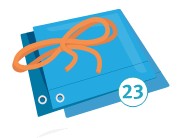
  8. 23 A tarpaulin and ropes can be used to cover any areas of your home that may have been damaged during severe weather. These should only be affixed once the weather system has passed and it is safe to do so.
  9. 19 A utility knife is a useful tool during and after a disaster.
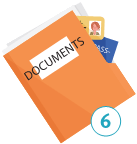
  10. Your emergency kit should contain up to date copies of important documents. For example documents could include your driver licence, insurance policies (home, content, vehicles, life), passports, legal documents (property deed, wills etc.), birth
  11. Free!
  12. 13 Wrench or pliers can be used to turn off all utilities
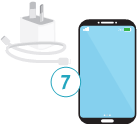
  13. Your mobile phone is key to keeping connected during a disaster. Extend the life of your phone by ensuring you have a spare phone charger packed as well as a fully charged portable battery/power pack.
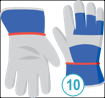
  14. A pair of sturdy work gloves will help prevent injury and infection when handling rubbish and debris
  15. Even if your home is not damaged in a disaster, electricity may not be available and you could be left in the dark for quite a while so include a torch (or two) or a battery powered lantern.
  16. A battery powered radio is one of the most reliable items in a disaster especially during power and internet loss
  17. 18 Use a whistle for attracting attention if you need assistance
  18. 13 Place a reminder on your evacuation checklist to grab valuables, photos (prints, CDs, USB data stick) and small mementos – make a list as it may be hard to think clearly at the time of evacuation
  19. 12 Pack a small amount of cash (notes and coins) in case ATMs are inaccessible or not working due to power failure.
  20. 25 Beds can become damaged or sodden during a weather event such as a cyclone, severe storm or flood. Camping mattresses and sleeping bags are easy to store with your kit.
  21. Pack 10 litres of drinking water per person at a minimum
  22. 11 For formula-fed babies check the use-by date on any formula and use it before it expires, replacing the one in your kit. Queensland Health recommends storing enough ready-to-drink formula for three days.
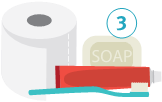
  23. Include toiletries you will need for three days such as toilet paper, toothpaste, toothbrushes, soap, shampoo, personal hygiene products, sunscreen and insect repellent.
  24. 18 Non-perishable snacks like muesli bars and packet snacks will curb hunger until you reach your evacuation point
  25. 6 Add toiletries you will need for three days such as toilet paper, toothpaste, toothbrush, soap, shampoo, personal hygiene products, sunscreen and insect repellent.
  26. your pets have their own special needs that you should prepare and plan for as a responsible pet parent. For more detail check out the Protect what’s most important to you booklet.
  27. 15 In addition to basic items make sure you include a warm jumper, waterproof jacket, a hat, gloves and enclosed-toed shoes or boots for each household member.
  28. 4 Include any aids required by household members such as prescription glasses, medic-alert
  29. 24 Blankets will keep you warm if you are exposed to the elements
  30. 10 Pack some books and games that do not require electricity to entertain younger household members.