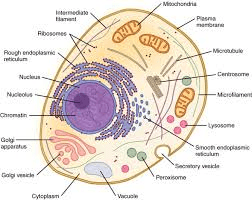
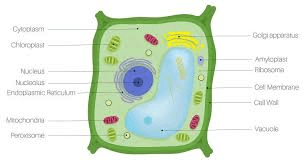
cells with no membrane bound organelles prokaryotes Made of cellulose cell wall movement of materials from higher to lower concentration diffusion a group of similar cells that work together Tissue low concentration of solute particles hypotonic Sunlight Catalyst for Photosynthesis Plant Cell ATP, water, carbon dioxide rectants of respiration glycolosis & fermentation anerobic respiration Uses energy from the sun to make food Chloroplast movement of material that requires energy active transport provides rigid structure for plant cells Cell Wall contains enzymes to help with digestion lysosome produces ATP Cellular Respiration manufactures proteins ribososomes water, carbon dioxide reactants of photosynthesis Animal Cell movement of water across a membrane Osmosis gel-like material that fills the cell Cytoplasm Make ribosomes nucleololus tiny cell structures that carry out a specific function organelles Glucose and oxygen Products of Photosynthesis Stores large amounts of food or water Vacuole controls which substances enter and leave a cell Cell membrane sorts and packages simple molecules into more complex ones Golgi turns nutrients into energy Mitochondria controls all activities of the cell Nucleus high concentration of solute particles hypertonic Complex cells with nuclei and membrane bound organelles eukaryotes cells with no membrane bound organelles prokaryotes Made of cellulose cell wall movement of materials from higher to lower concentration diffusion a group of similar cells that work together Tissue low concentration of solute particles hypotonic Sunlight Catalyst for Photosynthesis Plant Cell ATP, water, carbon dioxide rectants of respiration glycolosis & fermentation anerobic respiration Uses energy from the sun to make food Chloroplast movement of material that requires energy active transport provides rigid structure for plant cells Cell Wall contains enzymes to help with digestion lysosome produces ATP Cellular Respiration manufactures proteins ribososomes water, carbon dioxide reactants of photosynthesis Animal Cell movement of water across a membrane Osmosis gel-like material that fills the cell Cytoplasm Make ribosomes nucleololus tiny cell structures that carry out a specific function organelles Glucose and oxygen Products of Photosynthesis Stores large amounts of food or water Vacuole controls which substances enter and leave a cell Cell membrane sorts and packages simple molecules into more complex ones Golgi turns nutrients into energy Mitochondria controls all activities of the cell Nucleus high concentration of solute particles hypertonic Complex cells with nuclei and membrane bound organelles eukaryotes
(Print) Use this randomly generated list as your call list when playing the game. Place some kind of mark (like an X, a checkmark, a dot, tally mark, etc) on each cell as you announce it, to keep track. You can also cut out each item, place them in a bag and pull words from the bag.
N-prokaryotes
N-cells with no membrane bound organelles
I-cell wall
I-Made of cellulose
I-diffusion
I-movement of materials from higher to lower concentration
B-Tissue
B-a group of similar cells that work together
G-hypotonic
G-low concentration of solute particles
N-Catalyst for Photosynthesis
N-Sunlight
G-Plant Cell
G-
B-rectants of respiration
B-ATP, water, carbon dioxide
O-anerobic respiration
O-glycolosis & fermentation
I-Chloroplast
I-Uses energy from the sun to make food
B-active transport
B-movement of material that requires energy
B-Cell Wall
B-provides rigid structure for plant cells
O-lysosome
O-contains enzymes to help with digestion
O-Cellular Respiration
O-produces ATP
I-ribososomes
I-manufactures proteins
G-reactants of photosynthesis
G-water, carbon dioxide

B-Animal Cell
B-
O-Osmosis
O-movement of water across a membrane
N-Cytoplasm
N-gel-like material that fills the cell
G-nucleololus
G-Make ribosomes
B-organelles
B-tiny cell structures that carry out a specific function
I-Products of Photosynthesis
I- Glucose and oxygen
N-Vacuole
N-Stores large amounts of food or water
O-Cell membrane
O-controls which substances enter and leave a cell
O-Golgi
O-sorts and packages simple molecules into more complex ones
G-Mitochondria
G-turns nutrients into energy
I-Nucleus
I-controls all activities of the cell
N-hypertonic
N-high concentration of solute particles
G-eukaryotes
G-Complex cells with nuclei and membrane bound organelles