ProstatecancerscreeningCancer screeningrecommended forolder men basedon their personalhistory and riskfactors.SensorychangesThe mostcommoncause ofinjuries inolder adultsColonoscopyThe preferredmethod of screeningfor colorectal cancer.Scheduled every 10years in adults age50 and older ataverage risk.CervicalcancerscreeningThis screeningexam includesa Pap testevery 3 yearsor Pap + HPVevery 5 yearsAdherenceCompliance withhealthcarerecommendationsClinicalbreastexamRecommendedannually in theclinic to check forsigns of breastcancer. Does notreplacemammogram.BloodcholesterolscreeningLaboratory testperformed as partof routinephysical exam tocheck cholesterollevelsGaitevaluationEvaluation of thepatient whilewalking to detectsigns of weakness,imbalance or painthat could lead tofalls.TetanusboosterBooster givenevery 10 years orafter an exposureto tetanus;protects againsttetanus anddiptheriaFree!Height andweightmeasurementThis data iscollected at everyroutine physicaland is used tocalculate bodymass index (BMI)Fecaloccultblood testPerformedannually tocheck forblood in stool(hemoccult)VisionscreeningGiven annuallyto check forvision loss andcommon visualdisorders ofagingShinglesvaccineRecommendedfor older adultsto preventherpes zosterinfectionMammogramRecommended everyother year until age74 to detect signs ofbreast cancer inwomen;recommended formen at high risk ofbreast cancer.PneumococcalvaccinePatients age65+ receive 2vaccinationsat least 1year apartBonedensityscreeningInitial screeningat age 65 forolder women todetect signs ofosteoporosisBloodpressurescreeningPart of routinephysical examto monitor forhypertensionor hypotensionHearingexamPerformedas neededwhenhearing lossis suspectedInfluenzavaccinePatients receive thisvaccinationannually to preventa communicabledisease that canlead to pneumoniain the elderlyProstatecancerscreeningCancer screeningrecommended forolder men basedon their personalhistory and riskfactors.SensorychangesThe mostcommoncause ofinjuries inolder adultsColonoscopyThe preferredmethod of screeningfor colorectal cancer.Scheduled every 10years in adults age50 and older ataverage risk.CervicalcancerscreeningThis screeningexam includesa Pap testevery 3 yearsor Pap + HPVevery 5 yearsAdherenceCompliance withhealthcarerecommendationsClinicalbreastexamRecommendedannually in theclinic to check forsigns of breastcancer. Does notreplacemammogram.BloodcholesterolscreeningLaboratory testperformed as partof routinephysical exam tocheck cholesterollevelsGaitevaluationEvaluation of thepatient whilewalking to detectsigns of weakness,imbalance or painthat could lead tofalls.TetanusboosterBooster givenevery 10 years orafter an exposureto tetanus;protects againsttetanus anddiptheriaFree!Height andweightmeasurementThis data iscollected at everyroutine physicaland is used tocalculate bodymass index (BMI)Fecaloccultblood testPerformedannually tocheck forblood in stool(hemoccult)VisionscreeningGiven annuallyto check forvision loss andcommon visualdisorders ofagingShinglesvaccineRecommendedfor older adultsto preventherpes zosterinfectionMammogramRecommended everyother year until age74 to detect signs ofbreast cancer inwomen;recommended formen at high risk ofbreast cancer.PneumococcalvaccinePatients age65+ receive 2vaccinationsat least 1year apartBonedensityscreeningInitial screeningat age 65 forolder women todetect signs ofosteoporosisBloodpressurescreeningPart of routinephysical examto monitor forhypertensionor hypotensionHearingexamPerformedas neededwhenhearing lossis suspectedInfluenzavaccinePatients receive thisvaccinationannually to preventa communicabledisease that canlead to pneumoniain the elderly

Health Screening & Immunizations Bingo! - Call List

(Print) Use this randomly generated list as your call list when playing the game. There is no need to say the BINGO column name. Place some kind of mark (like an X, a checkmark, a dot, tally mark, etc) on each cell as you announce it, to keep track. You can also cut out each item, place them in a bag and pull words from the bag.
1
2
3
4
5
6
7
8
9
10
11
12
13
14
15
16
17
18
19
20
21
22
23
24
25
  1. Cancer screening recommended for older men based on their personal history and risk factors.
    Prostate cancer screening
  2. The most common cause of injuries in older adults
    Sensory changes
  3. The preferred method of screening for colorectal cancer. Scheduled every 10 years in adults age 50 and older at average risk.
    Colonoscopy
  4. This screening exam includes a Pap test every 3 years or Pap + HPV every 5 years
    Cervical cancer screening
  5. Compliance with healthcare recommendations
    Adherence
  6. Recommended annually in the clinic to check for signs of breast cancer. Does not replace mammogram.
    Clinical breast exam
  7. Laboratory test performed as part of routine physical exam to check cholesterol levels
    Blood cholesterol screening
  8. Evaluation of the patient while walking to detect signs of weakness, imbalance or pain that could lead to falls.
    Gait evaluation
  9. Booster given every 10 years or after an exposure to tetanus; protects against tetanus and diptheria
    Tetanus booster
  10. Free!
  11. This data is collected at every routine physical and is used to calculate body mass index (BMI)
    Height and weight measurement
  12. Performed annually to check for blood in stool (hemoccult)
    Fecal occult blood test
  13. Given annually to check for vision loss and common visual disorders of aging
    Vision screening
  14. Recommended for older adults to prevent herpes zoster infection
    Shingles vaccine
  15. Recommended every other year until age 74 to detect signs of breast cancer in women; recommended for men at high risk of breast cancer.
    Mammogram
  16. Patients age 65+ receive 2 vaccinations at least 1 year apart
    Pneumococcal vaccine
  17. Initial screening at age 65 for older women to detect signs of osteoporosis
    Bone density screening
  18. Part of routine physical exam to monitor for hypertension or hypotension
    Blood pressure screening
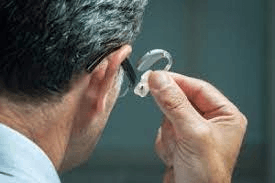
  19. Performed as needed when hearing loss is suspected
    Hearing exam
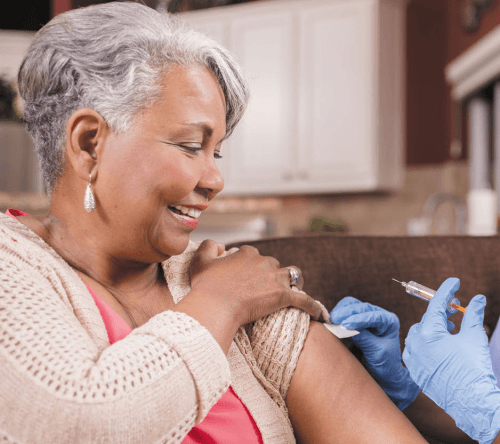
  20. Patients receive this vaccination annually to prevent a communicable disease that can lead to pneumonia in the elderly
    Influenza vaccine