part of the mapthat tells whatthe symbolsmean(key/legend)part of the mapthat showsdirections(compass rose)line at 0*latitude(Equator)arepresentationof the Earth orpart of theEarth on a flatsurface (map)Also known asmeridians, theselines are verticaland meet at thepoles (longitudelines)type of mapthat showsborders ofstates orcountries(political map)This continentis in thenorthern andeasternhemispheres(Asia)This continent isin the northernand westernhemispheres(North America)area withlowpopulation;(rural)part of amap thatshowsdistance(scale)part of amap thathelps find alocation (gridsystem)The processcartographers useto take a 3-D Earthand make a flatmap (mapprojection)the 24 areasof the Earthdesignated totell the time(time zones)area withhighpopulation;urban (city)Uses latitudeand longitudewith numbersand degrees tofind a location(coordinates)amisrepresentationof the size orshape of anobject (distortion)a sphericalmodel ofthe Earth(globe)the type oflocation that isEXACT and notrelative(absolutelocation)map thatshowselevationa special purposemap that shows theaverage temperaturein the differentregions of the Earth(climate zones)half the globe(hemisphere)0* longitudesplits Earth intoEastern/WesternHemispheres(Prime Meridian)The height ofthe landabove sealevel(elevation)This continentis in thesouthern andeasternhemispheres(Australia)Known as parallels,these lines arehorizontal and splitEarth intonorthern/southernhemispheres (latitudelines)part of the mapthat tells whatthe symbolsmean(key/legend)part of the mapthat showsdirections(compass rose)line at 0*latitude(Equator)arepresentationof the Earth orpart of theEarth on a flatsurface (map)Also known asmeridians, theselines are verticaland meet at thepoles (longitudelines)type of mapthat showsborders ofstates orcountries(political map)This continentis in thenorthern andeasternhemispheres(Asia)This continent isin the northernand westernhemispheres(North America)area withlowpopulation;(rural)part of amap thatshowsdistance(scale)part of amap thathelps find alocation (gridsystem)The processcartographers useto take a 3-D Earthand make a flatmap (mapprojection)the 24 areasof the Earthdesignated totell the time(time zones)area withhighpopulation;urban (city)Uses latitudeand longitudewith numbersand degrees tofind a location(coordinates)amisrepresentationof the size orshape of anobject (distortion)a sphericalmodel ofthe Earth(globe)the type oflocation that isEXACT and notrelative(absolutelocation)map thatshowselevationa special purposemap that shows theaverage temperaturein the differentregions of the Earth(climate zones)half the globe(hemisphere)0* longitudesplits Earth intoEastern/WesternHemispheres(Prime Meridian)The height ofthe landabove sealevel(elevation)This continentis in thesouthern andeasternhemispheres(Australia)Known as parallels,these lines arehorizontal and splitEarth intonorthern/southernhemispheres (latitudelines)

Map Skills - Call List

(Print) Use this randomly generated list as your call list when playing the game. There is no need to say the BINGO column name. Place some kind of mark (like an X, a checkmark, a dot, tally mark, etc) on each cell as you announce it, to keep track. You can also cut out each item, place them in a bag and pull words from the bag.


1
2
3
4
5
6
7
8
9
10
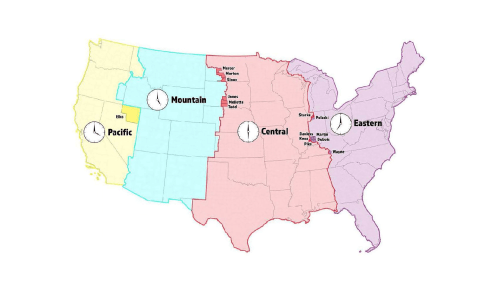
11
12
13
14
15
16
17
18
19
20
21
22
23
24
25
  1. part of the map that tells what the symbols mean (key/legend)
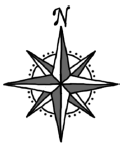
  2. part of the map that shows directions (compass rose)
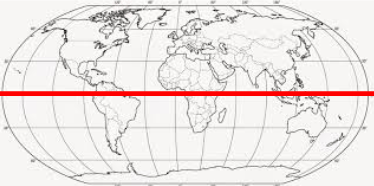
  3. line at 0* latitude (Equator)
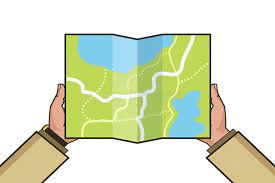
  4. a representation of the Earth or part of the Earth on a flat surface (map)

  5. Also known as meridians, these lines are vertical and meet at the poles (longitude lines)
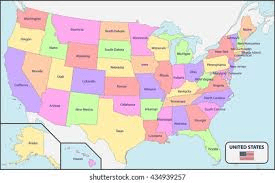
  6. type of map that shows borders of states or countries (political map)
  7. This continent is in the northern and eastern hemispheres (Asia)
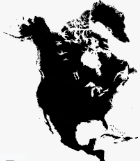
  8. This continent is in the northern and western hemispheres (North America)
  9. area with low population; (rural)
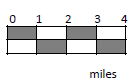
  10. part of a map that shows distance (scale)
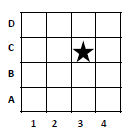
  11. part of a map that helps find a location (grid system)
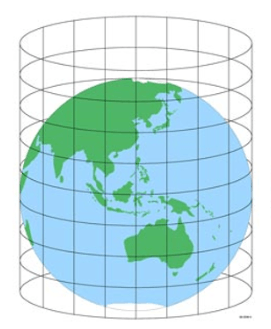
  12. The process cartographers use to take a 3-D Earth and make a flat map (map projection)
  13. the 24 areas of the Earth designated to tell the time (time zones)
  14. area with high population; urban (city)
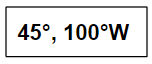
  15. Uses latitude and longitude with numbers and degrees to find a location (coordinates)
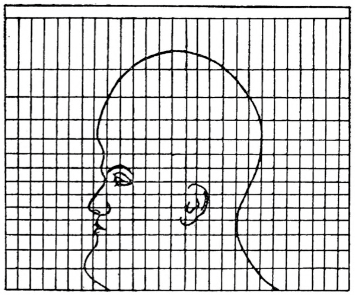
  16. a misrepresentation of the size or shape of an object (distortion)
  17. a spherical model of the Earth (globe)
  18. the type of location that is EXACT and not relative (absolute location)
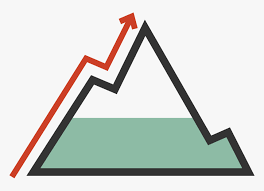
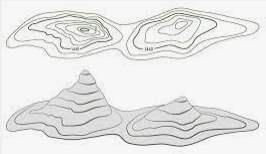
  19. map that shows elevation
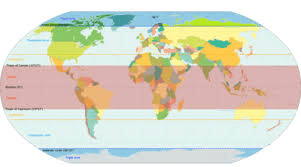
  20. a special purpose map that shows the average temperature in the different regions of the Earth (climate zones)
  21. half the globe (hemisphere)
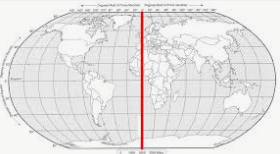
  22. 0* longitude splits Earth into Eastern/Western Hemispheres (Prime Meridian)
  23. The height of the land above sea level (elevation)
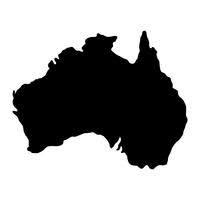
  24. This continent is in the southern and eastern hemispheres (Australia)
  25. Known as parallels, these lines are horizontal and split Earth into northern/southern hemispheres (latitude lines)