SuctioningThis should beperformed priorto deflating atracheostomycuffSinusitisPatient c/o ofnasalcongestion,headache,upper teethpainAirbornePrecautionThis is theprecautionyou will takefor a patientwith TBobturatorInsertionguide used toinserttracheostomyObstructivesleepapneaPt. c/o of daytime tiredness,headaches anddifficultyconcentratingBronchoscopyDiagnostictest toinspect thebronchiAdventitioussoundsAbnormallungsounds arealso calledKyphosisAlcoholandtobaccouseIncreasesthe risk ofthroatcancerFrequentswallowingA possibleindicator ofbleeding in a postop tonsillectomy orrhinoplasty patientBroncho-vesicularsoundsLung soundsover themainstembronchi areknown asRhinitisknown asthecommoncoldHypercapniaExcessaccumulationof CO2Factors thatincrease riskforrespiratoryinfectionAge >65Cigarette smokingChronic renaldiseaseResiding in anextended care facilityOne wayvalve fortracheostomyto allowspeech3daysA person isconsideredcontagious for thistime period fromwhen symptomsappearKussmaulRespiratorypattern typicallyseen inmetabolicacidosis; rapiddeep breathingCorrectpositioningforepistaxisThreeconsecutivesputumculturesA patient isconsidered tono longer becontagiouswith TB afterAntitussivemedicationsthat are usedto decreasethe coughreflexPre-opEstablishing away tocommunicatewith yourpatient shouldoccur duringEggallergyContraindicationfor the fluvaccineStridorThis breathsound canbe heardwith a partialobstructionDropletsRhinitis andthe flu aretransmittedviaEpiglottisprotectstheairwayRespiratoryFailurePaCO2>50PaO2<50A serousmembrane oftwo layers;visceral andparietalPleuraInadequateoxygenationRestlessness,confusion,tachycardia andtachypnea wouldbe early indicatorsof thisResidualvolumeThe volume of gasremaining in thelungs aftermaximalexpiration;increased inCOPDSuctioningThis should beperformed priorto deflating atracheostomycuffSinusitisPatient c/o ofnasalcongestion,headache,upper teethpainAirbornePrecautionThis is theprecautionyou will takefor a patientwith TBobturatorInsertionguide used toinserttracheostomyObstructivesleepapneaPt. c/o of daytime tiredness,headaches anddifficultyconcentratingBronchoscopyDiagnostictest toinspect thebronchiAdventitioussoundsAbnormallungsounds arealso calledKyphosisAlcoholandtobaccouseIncreasesthe risk ofthroatcancerFrequentswallowingA possibleindicator ofbleeding in a postop tonsillectomy orrhinoplasty patientBroncho-vesicularsoundsLung soundsover themainstembronchi areknown asRhinitisknown asthecommoncoldHypercapniaExcessaccumulationof CO2Factors thatincrease riskforrespiratoryinfectionAge >65Cigarette smokingChronic renaldiseaseResiding in anextended care facilityOne wayvalve fortracheostomyto allowspeech3daysA person isconsideredcontagious for thistime period fromwhen symptomsappearKussmaulRespiratorypattern typicallyseen inmetabolicacidosis; rapiddeep breathingCorrectpositioningforepistaxisThreeconsecutivesputumculturesA patient isconsidered tono longer becontagiouswith TB afterAntitussivemedicationsthat are usedto decreasethe coughreflexPre-opEstablishing away tocommunicatewith yourpatient shouldoccur duringEggallergyContraindicationfor the fluvaccineStridorThis breathsound canbe heardwith a partialobstructionDropletsRhinitis andthe flu aretransmittedviaEpiglottisprotectstheairwayRespiratoryFailurePaCO2>50PaO2<50A serousmembrane oftwo layers;visceral andparietalPleuraInadequateoxygenationRestlessness,confusion,tachycardia andtachypnea wouldbe early indicatorsof thisResidualvolumeThe volume of gasremaining in thelungs aftermaximalexpiration;increased inCOPD

Respiratory Bingo - Call List

(Print) Use this randomly generated list as your call list when playing the game. There is no need to say the BINGO column name. Place some kind of mark (like an X, a checkmark, a dot, tally mark, etc) on each cell as you announce it, to keep track. You can also cut out each item, place them in a bag and pull words from the bag.


1
2
3
4
5
6
7
8
9
10
11
12
13
14
15
16
17
18
19
20
21
22
23
24
25
26
27
28
29
  1. This should be performed prior to deflating a tracheostomy cuff
    Suctioning
  2. Patient c/o of nasal congestion, headache, upper teeth pain
    Sinusitis
  3. This is the precaution you will take for a patient with TB
    Airborne Precaution
  4. Insertion guide used to insert tracheostomy
    obturator
  5. Pt. c/o of day time tiredness, headaches and difficulty concentrating
    Obstructive sleep apnea
  6. Diagnostic test to inspect the bronchi
    Bronchoscopy
  7. Abnormal lung sounds are also called
    Adventitious sounds
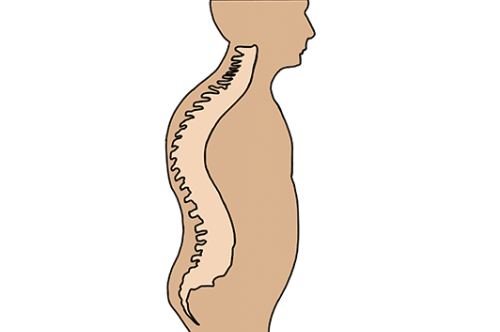
  8. Kyphosis
  9. Increases the risk of throat cancer
    Alcohol and tobacco use
  10. A possible indicator of bleeding in a post op tonsillectomy or rhinoplasty patient
    Frequent swallowing
  11. Lung sounds over the mainstem bronchi are known as
    Broncho- vesicular sounds
  12. known as the common cold
    Rhinitis
  13. Excess accumulation of CO2
    Hypercapnia
  14. Age >65 Cigarette smoking Chronic renal disease Residing in an extended care facility
    Factors that increase risk for respiratory infection
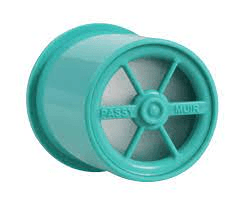
  15. One way valve for tracheostomy to allow speech
  16. A person is considered contagious for this time period from when symptoms appear
    3 days
  17. Respiratory pattern typically seen in metabolic acidosis; rapid deep breathing
    Kussmaul
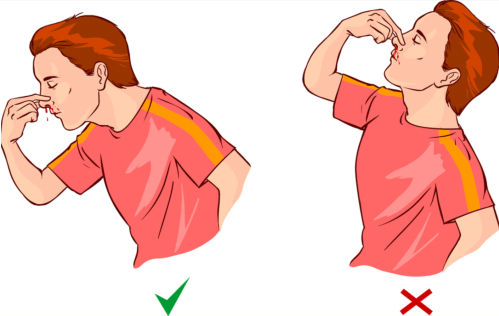
  18. Correct positioning for epistaxis
  19. A patient is considered to no longer be contagious with TB after
    Three consecutive sputum cultures
  20. medications that are used to decrease the cough reflex
    Antitussive

  21. Establishing a way to communicate with your patient should occur during
    Pre-op
  22. Contraindication for the flu vaccine
    Egg allergy
  23. This breath sound can be heard with a partial obstruction
    Stridor
  24. Rhinitis and the flu are transmitted via
    Droplets
  25. protects the airway
    Epiglottis
  26. PaCO2 >50 PaO2<50
    Respiratory Failure
  27. Pleura
    A serous membrane of two layers; visceral and parietal
  28. Restlessness, confusion, tachycardia and tachypnea would be early indicators of this
    Inadequate oxygenation
  29. The volume of gas remaining in the lungs after maximal expiration; increased in COPD
    Residual volume