FusionThis processcombines atomsto create heavierelements withinstarsChemicalWeatheringThis type ofweatheringchanges thechemicalcomposition ofrockMineralMatterThiscomponentof soil comesfrom brokendown rocksMantleThe layer ofEarth'sinterior that isdirectly underthe crustSedimentaryThis type of rockforms whenlayers ofsediment arecompactedtogetherCold,dryclimateThis type ofclimate has theslowest rate ofweathering andsoil formation.SiltThemedium-sized soilparticleEllipticalAn oval-shapedorbitIgneousThis type ofrock isformed whenmolten rockcoolsHabitableZoneThis is thedistance froma star whereliquid watercan exist.ClayThesmallestparticle insoilTopsoilThe commonname for theA HorizonDivergentplateboundaryMetamorphicThis type of rockforms whenexisting rock isexposed to highheat andpressurePedocalThis type of soilforms in dry,temperateclimates like thewestern UnitedStatesPedalferThis type of soilforms in moist,temperateclimates like theeastern UnitedStatesSandThelargestparticle insoilSubsoilThe commonname for theB Horizon insoilJovianThis type ofplanet ismade of gasand iceOrganicMatterThiscomponent ofsoil comes fromdead plantsand animalsConvergentPlateBoundaryMechanicalWeatheringThis processbreaks rocksinto smallerpiecesTerrestrialThis type ofplanet ismade of rockand metalWeatheringThe processof breakingrocks intosmallerpiecesTransformplateboundarySoilProfileBedrockThe commonname for theR HorizonHot,wetclimateThis type ofclimate has thefastest rate ofweathering andsoil formationSubductionWhen onetectonicplate goesunderanotherConvectionCurrentsMovement of thematerial in themantle thatpulls/pushes onthe tectonicplatesLateriteThis type of soilforms in hot, wetenvironments(and is used tomake bricks)P-wavesThe faster,but weakerwaves in anearthquakeHydrogenandHeliumWhat arestarsmade of?S-wavesThe slower,but strongerwaves in anearthquakeFusionThis processcombines atomsto create heavierelements withinstarsChemicalWeatheringThis type ofweatheringchanges thechemicalcomposition ofrockMineralMatterThiscomponentof soil comesfrom brokendown rocksMantleThe layer ofEarth'sinterior that isdirectly underthe crustSedimentaryThis type of rockforms whenlayers ofsediment arecompactedtogetherCold,dryclimateThis type ofclimate has theslowest rate ofweathering andsoil formation.SiltThemedium-sized soilparticleEllipticalAn oval-shapedorbitIgneousThis type ofrock isformed whenmolten rockcoolsHabitableZoneThis is thedistance froma star whereliquid watercan exist.ClayThesmallestparticle insoilTopsoilThe commonname for theA HorizonDivergentplateboundaryMetamorphicThis type of rockforms whenexisting rock isexposed to highheat andpressurePedocalThis type of soilforms in dry,temperateclimates like thewestern UnitedStatesPedalferThis type of soilforms in moist,temperateclimates like theeastern UnitedStatesSandThelargestparticle insoilSubsoilThe commonname for theB Horizon insoilJovianThis type ofplanet ismade of gasand iceOrganicMatterThiscomponent ofsoil comes fromdead plantsand animalsConvergentPlateBoundaryMechanicalWeatheringThis processbreaks rocksinto smallerpiecesTerrestrialThis type ofplanet ismade of rockand metalWeatheringThe processof breakingrocks intosmallerpiecesTransformplateboundarySoilProfileBedrockThe commonname for theR HorizonHot,wetclimateThis type ofclimate has thefastest rate ofweathering andsoil formationSubductionWhen onetectonicplate goesunderanotherConvectionCurrentsMovement of thematerial in themantle thatpulls/pushes onthe tectonicplatesLateriteThis type of soilforms in hot, wetenvironments(and is used tomake bricks)P-wavesThe faster,but weakerwaves in anearthquakeHydrogenandHeliumWhat arestarsmade of?S-wavesThe slower,but strongerwaves in anearthquake

Earth and Space Science Semester 1 Vocab - Call List

(Print) Use this randomly generated list as your call list when playing the game. There is no need to say the BINGO column name. Place some kind of mark (like an X, a checkmark, a dot, tally mark, etc) on each cell as you announce it, to keep track. You can also cut out each item, place them in a bag and pull words from the bag.


1
2
3
4
5
6
7
8
9
10
11
12
13
14
15
16
17
18
19
20
21
22
23
24
25
26
27
28
29
30
31
32
33
34
  1. This process combines atoms to create heavier elements within stars
    Fusion
  2. This type of weathering changes the chemical composition of rock
    Chemical Weathering
  3. This component of soil comes from broken down rocks
    Mineral Matter
  4. The layer of Earth's interior that is directly under the crust
    Mantle
  5. This type of rock forms when layers of sediment are compacted together
    Sedimentary
  6. This type of climate has the slowest rate of weathering and soil formation.
    Cold, dry climate
  7. The medium-sized soil particle
    Silt
  8. An oval-shaped orbit
    Elliptical
  9. This type of rock is formed when molten rock cools
    Igneous

  10. This is the distance from a star where liquid water can exist.
    Habitable Zone
  11. The smallest particle in soil
    Clay
  12. The common name for the A Horizon
    Topsoil
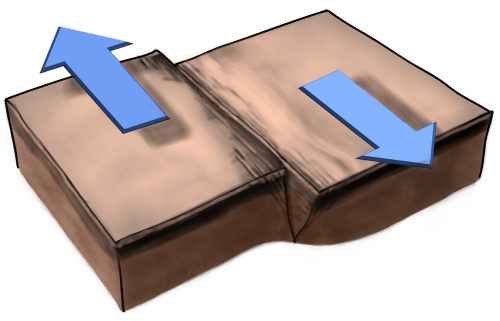
  13. Divergent plate boundary
  14. This type of rock forms when existing rock is exposed to high heat and pressure
    Metamorphic
  15. This type of soil forms in dry, temperate climates like the western United States
    Pedocal
  16. This type of soil forms in moist, temperate climates like the eastern United States
    Pedalfer
  17. The largest particle in soil
    Sand
  18. The common name for the B Horizon in soil
    Subsoil
  19. This type of planet is made of gas and ice
    Jovian
  20. This component of soil comes from dead plants and animals
    Organic Matter
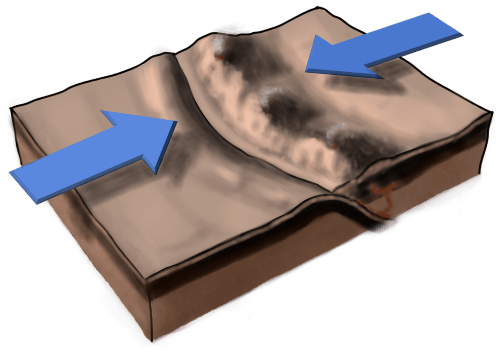
  21. Convergent Plate Boundary
  22. This process breaks rocks into smaller pieces
    Mechanical Weathering
  23. This type of planet is made of rock and metal
    Terrestrial
  24. The process of breaking rocks into smaller pieces
    Weathering
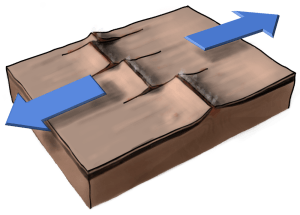
  25. Transform plate boundary
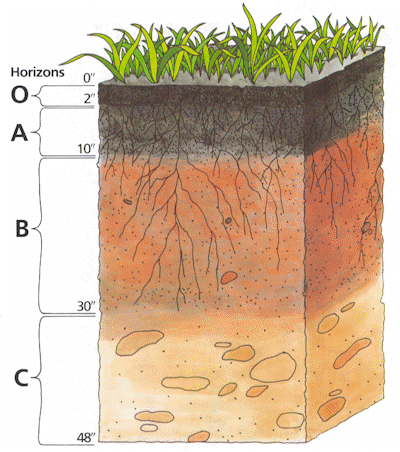
  26. Soil Profile
  27. The common name for the R Horizon
    Bedrock
  28. This type of climate has the fastest rate of weathering and soil formation
    Hot, wet climate
  29. When one tectonic plate goes under another
    Subduction
  30. Movement of the material in the mantle that pulls/pushes on the tectonic plates
    Convection Currents
  31. This type of soil forms in hot, wet environments (and is used to make bricks)
    Laterite
  32. The faster, but weaker waves in an earthquake
    P-waves
  33. What are stars made of?
    Hydrogen and Helium
  34. The slower, but stronger waves in an earthquake
    S-waves