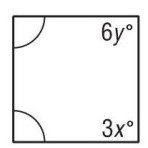
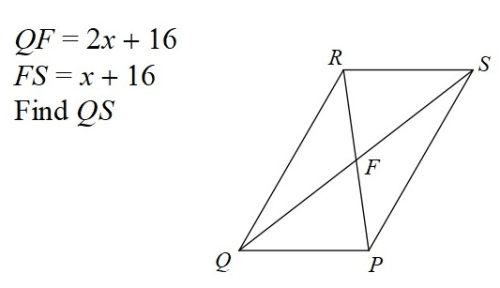
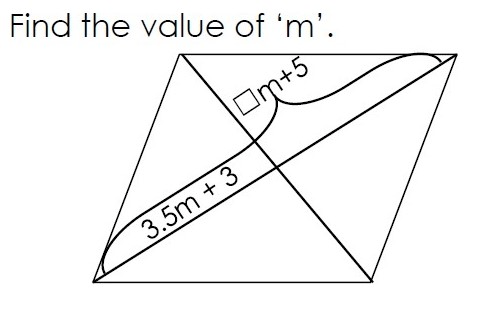
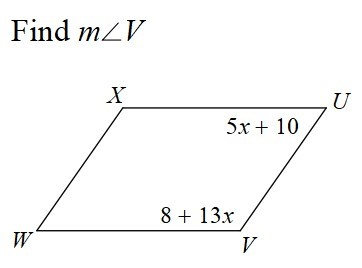
This isconsidereda test, nota propertyConsecutiveangles in aparallelogramare alwaysWhat is relationshipbetween D and C?        Anglesthat add to90 areconsideredcomplementaryIs it aparallelogram?    321CThis isconsidereda Property,not a testA quadrilateralis ALWAYS aparallelogram.TRUE ORFALSEAquadrilateralALWAYS has4 sides. Trueor False?What is the relationshipbetween angles A and C        5Which of thefollowing is not trueof a parallelogram?A.Diagonals BisectEach otherB.Diagonals arecongruentC.All of the Above    This isconsidereda test, nota propertyConsecutiveangles in aparallelogramare alwaysWhat is relationshipbetween D and C?        Anglesthat add to90 areconsideredcomplementaryIs it aparallelogram?    321CThis isconsidereda Property,not a testA quadrilateralis ALWAYS aparallelogram.TRUE ORFALSEAquadrilateralALWAYS has4 sides. Trueor False?What is the relationshipbetween angles A and C        5Which of thefollowing is not trueof a parallelogram?A.Diagonals BisectEach otherB.Diagonals arecongruentC.All of the Above   

Unit 4 Lesson 5& 6 Quiz Review - Call List

(Print) Use this randomly generated list as your call list when playing the game. There is no need to say the BINGO column name. Place some kind of mark (like an X, a checkmark, a dot, tally mark, etc) on each cell as you announce it, to keep track. You can also cut out each item, place them in a bag and pull words from the bag.


1
2
3
4
5
6
7
8
9
10
11
12
13
14
15
16
17
18
19
20
21
22
23
24
25
26
  1. This is considered a test, not a property
  2. Consecutive angles in a parallelogram are always
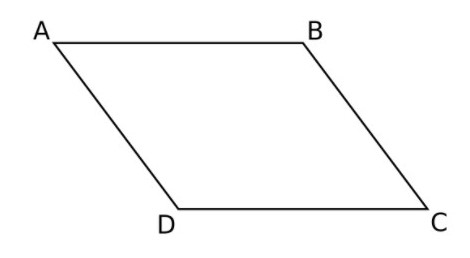
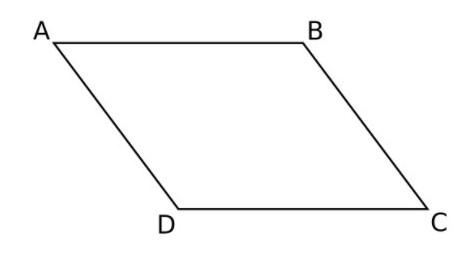
  3. What is relationship between D and C?
  4. complementary
    Angles that add to 90 are considered
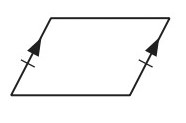
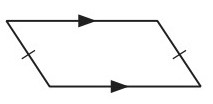
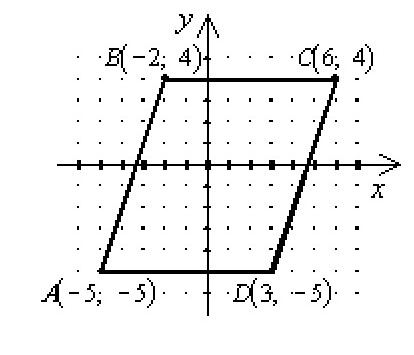
  5. Is it a parallelogram?
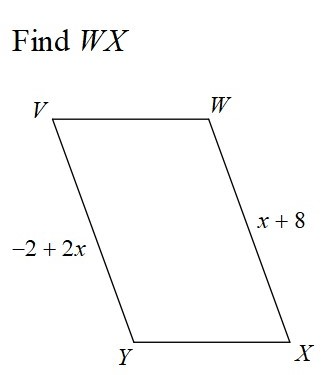
  6. 32
  7. 1
  8. C
  9. This is considered a Property, not a test
  10. A quadrilateral is ALWAYS a parallelogram. TRUE OR FALSE
  11. A quadrilateral ALWAYS has 4 sides. True or False?

  12. What is the relationship between angles A and C
  13. 5
  14. Which of the following is not true of a parallelogram? A.Diagonals Bisect Each other B.Diagonals are congruent C.All of the Above