(Print) Use this randomly generated list as your call list when playing the game. There is no need to say the BINGO column name. Place some kind of mark (like an X, a checkmark, a dot, tally mark, etc) on each cell as you announce it, to keep track. You can also cut out each item, place them in a bag and pull words from the bag.
1
2
3
4
5
6
7
8
9
10
11
12
13
14
15
16
17
18
19
20
21
22
23
24
25
26
27
28
29
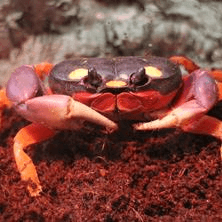
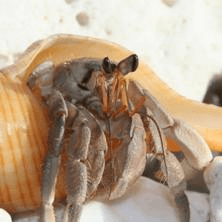
These crabs have perky personalities and make movements that are interesting to watch.
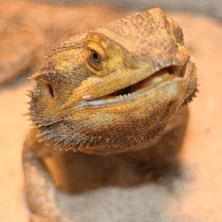
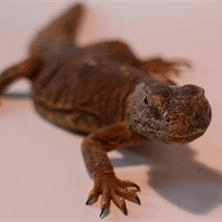
Bearded dragons have been around since the time of dinosaurs!
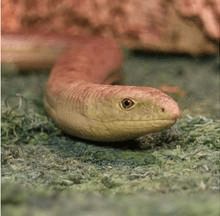
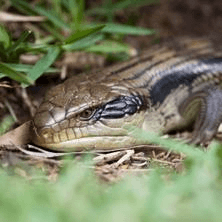
Skinks are characterized by their smaller legs in comparison to typical lizards
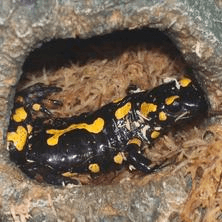
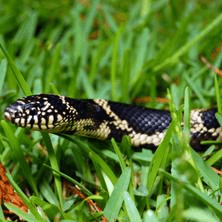
It is black with yellow spots or stripes to a varying degree
Dominant males show off by standing on their toes. ...
must occupy shelter produced by other organisms or risk being defenseless.
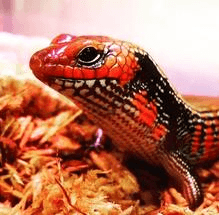
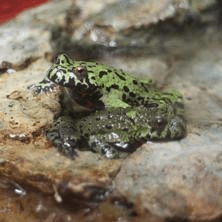
The fire skink is indigenous to the tropical rainforests
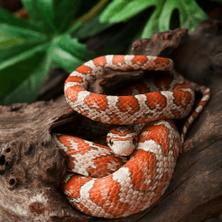
preys on mice and rats that eat harvested corn
Rabbits are generally silent. They signal danger to other rabbits with a loud foot thump.
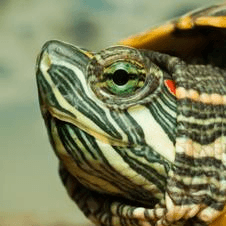
sliding off of their basking spot into the water to escape predators
As a sign of nervousness, king snakes will twitch their tails.
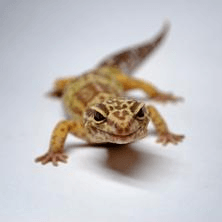
Light lavender lizard
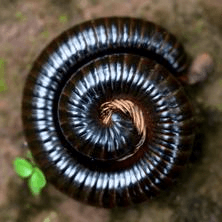
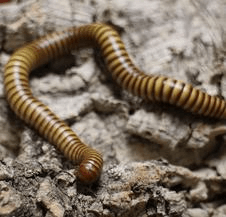
The pill-millipede can roll up in a ball like a pill bug.
cannot extend their tongues like other toads or frogs. To feed, they must leap forward and catch prey with their mouths.
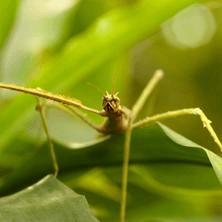
they look just like sticks, and may even sway back and forth to more closely resemble a twig moving in the wind.
Collard greens.
Mustard greens.
Turnip greens.
Dandelions (particularly the green portions of the plant, but the flowers are fine too)
Parsley.
Endive.
Kale.
Radicchio.
Bullfrogs can jump distances 10 times their body length
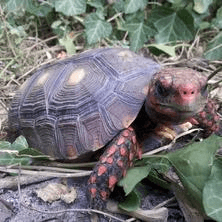
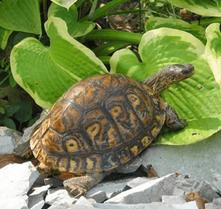
a shell shaped like a dome
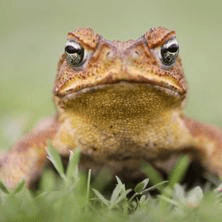
cane toads are particularly dangerous to dogs.
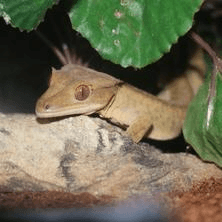
Crested geckos do not have eyelids.
sometimes seen deliberately stomping on the ground as they walk.
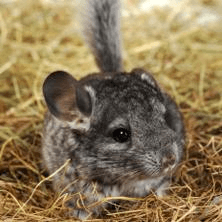
The chinchilla has the densest fur of all mammals that live on land
feeding on organic matter like dead plants
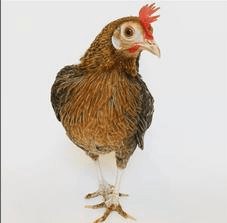
A chicken’s egg color is often determined by the color of its earlobe.
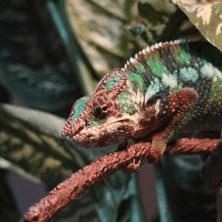
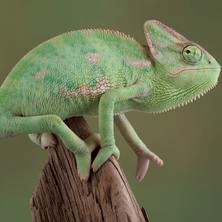
Chameleons can extend their tongues to a distance of more than twice their body length.
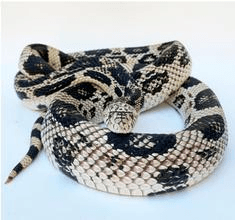
pine snake is an efficient digger and spends a significant amount of time in underground burrows.