Correctsetup tochange 19eV of energyinto JoulesCombinationof quarksthat make aproton ElectronA lepton thatorbits nucleiof atoms inquantizedenergy levelsMatter andantimatterannihilatingand becomingpure energy3The number ofdifferent photonfrequencies thatcould be emitted froman electron in energylevel c of a MercuryatomCorrect setup to findthe energy of aphoton released froman electron in aMercury atom movingfrom level f to level c6Thenumber ofdifferentquarksEnergyJoules andelectronvoltsare used tomeasure this FREEUniversalMassUnit (u)A unit used tomeasure tinymasses. Veryclose to themass of aprotonLeptonsParticles NOTmade of smallerparticles that arenot found inatomic nucleiQuarkTiny particlesthat combineto makehadronsStrongForceHolds thenucleus ofan atomtogertherBaryonA particlemade of3 quarksCorrect setupto express5.7 universalmass units(u) as MeVThe symbolof an anti-muonneutrinoElectro-magneticForceHoldselectrons inorbit aroundnuclei ofatomsHadronA particlemade ofquarksand/or anti-quarksMesonA particlemade of aquark andanti-quarkCombinationof quarksthat make ameson with+1e chargeCombinationof quarksthat make abaryon with-1e chargeThe equationused to findthe energyequivalent ofa given massAnti-protonParticle withsame massbut oppositecharge of aprotonCorrect setup to findthe energyof aphoton released froman electron in aHydrogen atommoving from theground state to n=3Thespeed oflight in avaccuumCorrectsetup tochange 19eV of energyinto JoulesCombinationof quarksthat make aprotonElectronA lepton thatorbits nucleiof atoms inquantizedenergy levelsMatter andantimatterannihilatingand becomingpure energy3The number ofdifferent photonfrequencies thatcould be emitted froman electron in energylevel c of a MercuryatomCorrect setup to findthe energy of aphoton released froman electron in aMercury atom movingfrom level f to level c6Thenumber ofdifferentquarksEnergyJoules andelectronvoltsare used tomeasure thisFREEUniversalMassUnit (u)A unit used tomeasure tinymasses. Veryclose to themass of aprotonLeptonsParticles NOTmade of smallerparticles that arenot found inatomic nucleiQuarkTiny particlesthat combineto makehadronsStrongForceHolds thenucleus ofan atomtogertherBaryonA particlemade of3 quarksCorrect setupto express5.7 universalmass units(u) as MeVThe symbolof an anti-muonneutrinoElectro-magneticForceHoldselectrons inorbit aroundnuclei ofatomsHadronA particlemade ofquarksand/or anti-quarksMesonA particlemade of aquark andanti-quarkCombinationof quarksthat make ameson with+1e chargeCombinationof quarksthat make abaryon with-1e chargeThe equationused to findthe energyequivalent ofa given massAnti-protonParticle withsame massbut oppositecharge of aprotonCorrect setup to findthe energyof aphoton released froman electron in aHydrogen atommoving from theground state to n=3Thespeed oflight in avaccuum

Modern Physics Bingo - Call List

(Print) Use this randomly generated list as your call list when playing the game. There is no need to say the BINGO column name. Place some kind of mark (like an X, a checkmark, a dot, tally mark, etc) on each cell as you announce it, to keep track. You can also cut out each item, place them in a bag and pull words from the bag.


1
2
3
4
5
6
7
8
9
10
11
12
13
14
15
16
17
18
19
20
21
22
23
24
25
  1. Correct setup to change 19 eV of energy into Joules
  2. Combination of quarks that make a proton
  3. A lepton that orbits nuclei of atoms in quantized energy levels
    Electron
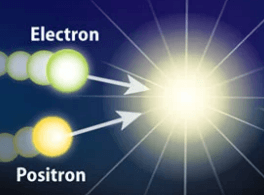
  4. Matter and antimatter annihilating and becoming pure energy
  5. The number of different photon frequencies that could be emitted from an electron in energy level c of a Mercury atom
    3
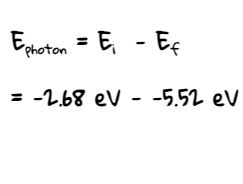
  6. Correct setup to find the energy of a photon released from an electron in a Mercury atom moving from level f to level c
  7. The number of different quarks
    6
  8. Joules and electronvolts are used to measure this
    Energy
  9. FREE
  10. A unit used to measure tiny masses. Very close to the mass of a proton
    Universal Mass Unit (u)
  11. Particles NOT made of smaller particles that are not found in atomic nuclei
    Leptons
  12. Tiny particles that combine to make hadrons
    Quark
  13. Holds the nucleus of an atom togerther
    Strong Force
  14. A particle made of 3 quarks
    Baryon
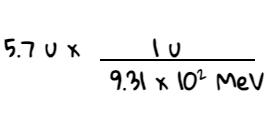
  15. Correct setup to express 5.7 universal mass units (u) as MeV
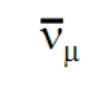
  16. The symbol of an anti-muon neutrino
  17. Holds electrons in orbit around nuclei of atoms
    Electro-magnetic Force
  18. A particle made of quarks and/or anti-quarks
    Hadron
  19. A particle made of a quark and anti-quark
    Meson
  20. Combination of quarks that make a meson with +1e charge
  21. Combination of quarks that make a baryon with -1e charge
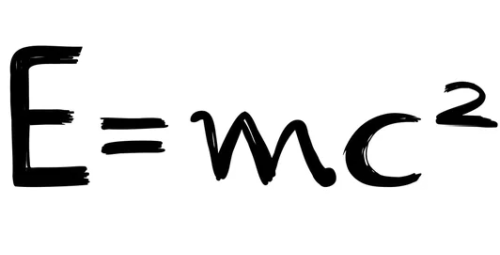
  22. The equation used to find the energy equivalent of a given mass
  23. Particle with same mass but opposite charge of a proton
    Anti-proton
  24. Correct setup to find the energyof a photon released from an electron in a Hydrogen atom moving from the ground state to n=3
  25. The speed of light in a vaccuum