1/89/18➗14/7x8/16-5.082.84-7.92ResembledoughnutsWhat doesstomatalook like?⭐️UndertheleavesWhere isthe thestomata?23/8x8/4x4/213.624.38+9.24CompoundlightMicroscopeWhat type ofmicroscope iscommon usedin sciencelaboratory?4.187.92-3.742partsSoluteandsolventHow manyimportant partsinchomatography?⭐️Nucleicacid andproteinWhat is theessential partof infectiousvirusparticles?⭐️18/79/3-3/71/212/24x8/4➗6/3DiaphragmWhich part of themicroscope controlthe amount of lightreaching thespecimen beingobserved?BydiffusionHow doesstomatalose excesswater?23/6x4/2➗2/4Twolinkedstandshow manystrandsmake upDNA doublehelix?⭐️A/B/O/ABHow manytypes ofblood andwhat arethey?38/457/5-5/9OWhichblood typedo not haveantigen.⭐️MagnifysmallobjectsWhat is amicroscopeused forsimple27/8+9/8-2.605.24-7.841/83/8-2/85/122/4x4/8➗3/5BaseWhich part ofthe microscopeis used forsupport andcarrying?6.8912.84-5.95The highestmagnificationobjective lensWhichobjectivelens is theclosest tothe sample?StomataTiny porein theleaves?26/98/3+2/91/89/18➗14/7x8/16-5.082.84-7.92ResembledoughnutsWhat doesstomatalook like?⭐️UndertheleavesWhere isthe thestomata?23/8x8/4x4/213.624.38+9.24CompoundlightMicroscopeWhat type ofmicroscope iscommon usedin sciencelaboratory?4.187.92-3.742partsSoluteandsolventHow manyimportant partsinchomatography?⭐️Nucleicacid andproteinWhat is theessential partof infectiousvirusparticles?⭐️18/79/3-3/71/212/24x8/4➗6/3DiaphragmWhich part of themicroscope controlthe amount of lightreaching thespecimen beingobserved?BydiffusionHow doesstomatalose excesswater?23/6x4/2➗2/4Twolinkedstandshow manystrandsmake upDNA doublehelix?⭐️A/B/O/ABHow manytypes ofblood andwhat arethey?38/457/5-5/9OWhichblood typedo not haveantigen.⭐️MagnifysmallobjectsWhat is amicroscopeused forsimple27/8+9/8-2.605.24-7.841/83/8-2/85/122/4x4/8➗3/5BaseWhich part ofthe microscopeis used forsupport andcarrying?6.8912.84-5.95The highestmagnificationobjective lensWhichobjectivelens is theclosest tothe sample?StomataTiny porein theleaves?26/98/3+2/9

SMART➗🧬 Bingo DAY2!!! - Call List

(Print) Use this randomly generated list as your call list when playing the game. There is no need to say the BINGO column name. Place some kind of mark (like an X, a checkmark, a dot, tally mark, etc) on each cell as you announce it, to keep track. You can also cut out each item, place them in a bag and pull words from the bag.


1
2
3
4
5
6
7
8
9
10
11
12
13
14
15
16
17
18
19
20
21
22
23
24
25
26
27
28
29
  1. 9/18 ➗14/7x8/16
    1/8
  2. 2.84-7.92
    -5.08
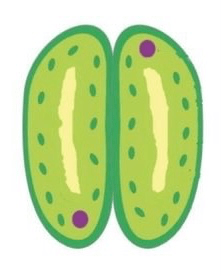
  3. What does stomata look like?⭐️
    Resemble doughnuts
  4. Where is the the stomata?
    Under the leaves
  5. 3/8 x8/4x4/2
    2
  6. 4.38+9.24
    13.62
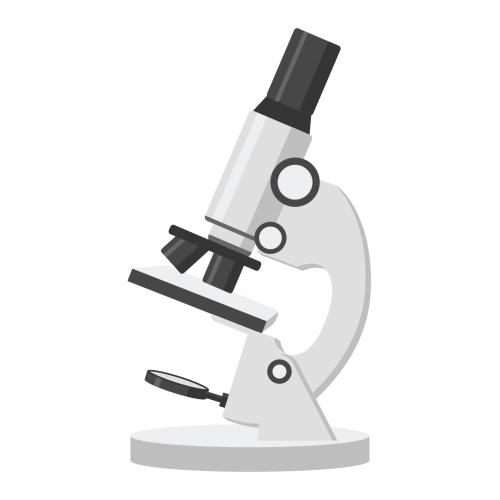
  7. What type of microscope is common used in science laboratory?
    Compound light Microscope
  8. 7.92-3.74
    4.18
  9. How many important parts in chomatography?⭐️
    2parts Solute and solvent
  10. What is the essential part of infectious virus particles?⭐️
    Nucleic acid and protein
  11. 9/3-3/7
    18/7
  12. 12/24x8/4 ➗6/3
    1/2
  13. Which part of the microscope control the amount of light reaching the specimen being observed?
    Diaphragm
  14. How does stomata lose excess water?
    By diffusion
  15. 3/6x4/2 ➗2/4
    2
  16. how many strands make up DNA double helix?⭐️
    Two linked stands
  17. How many types of blood and what are they?
    A/B/O/AB
  18. 7/5-5/9
    38/45
  19. Which blood type do not have antigen.⭐️
    O
  20. What is a microscope used for simple
    Magnify small objects
  21. 7/8+9/8
    2
  22. 5.24-7.84
    -2.60
  23. 3/8-2/8
    1/8
  24. 2/4x4/8 ➗3/5
    5/12
  25. Which part of the microscope is used for support and carrying?
    Base
  26. 12.84-5.95
    6.89
  27. Which objective lens is the closest to the sample?
    The highest magnification objective lens
  28. Tiny pore in the leaves?
    Stomata
  29. 8/3+2/9
    26/9