51AntimonySb121.76 Antimonycompounds areused to makeflame-retardantmaterials, paints,enamels, glassand pottery. 50TinSn118.71  Tin is a soft,malleable,ductile andhighly crystallinesilvery-whitemetal.32GermaniumGe72.64 Germanium is achemical element; ithas symbol Ge andatomic number 32. It islustrous, hard-brittle,grayish-white andsimilar in appearanceto silicon.49IndiumIn114.82Indium is used todope germanium tomake transistors. It isalso used to makeother electricalcomponents such asrectifiers, thermistorsand photoconductors.18ArgonAr39.948the chemical elementof atomic number 18,an inert gaseouselement of the noblegas group. Argon is thecommonest noble gas,making up nearly oneper cent of the earth'satmosphere.16SulfurS32.065Sulfur (also spelledsulphur in BritishEnglish) is a chemicalelement; it has symbolS and atomic number16. It is abundant,multivalent andnonmetallic.33ArsenicAs74.922Arsenic is achemicalelement; it hassymbol As andatomic number33.53IodineI126.9odine is an elementthat is used by thethyroid. Humanscannot produceiodine, so it must beconsumed. It isadded to some foodsand also to salt.31GalliumGa69.723 Gallium is a chemicalelement with atomicnumber 31. Solidgallium is a blue-greymetal having anorthorhombiccrystalline structure,whereas very puregallium35BromineBr79.904Productscontainingbromine are usedin agriculture andsanitation and asfire retardants (36KryptonKr83.798Krypton (Kr),chemical element, arare gas of Group 18(noble gases) of theperiodic table, whichforms relatively fewchemicalcompounds.34SeleniumSe78.96 Selenium is used to makepigments for ceramics,paint and plastics.Selenium has both aphotovoltaic action(converts light to electricity)and a photoconductiveaction (electrical resistancedecreases with increasedillumination).81ThalliumTl204.38Thallium has not beenproduced in the UnitedStates since 1984, but isimported for use in themanufacture of electronics,low temperaturethermometers, opticallenses, and imitationprecious jewels.54XenonXe131.29Selenium is used to makepigments for ceramics,paint and plastics.Selenium has both aphotovoltaic action(converts light to electricity)and a photoconductiveaction (electrical resistancedecreases with increasedillumination).52TelluriumTe127.6Tellurium ischemically related toselenium and sulfur,all three of which arechalcogens. It isoccasionally found inits native form aselemental crystals.17ChlorineCl35.453Chlorine is agreenish yellow gasat room temperatureand atmosphericpressure. It is twoand a half timesheavier than air. Itbecomes a liquid51AntimonySb121.76Antimonycompounds areused to makeflame-retardantmaterials, paints,enamels, glassand pottery.50TinSn118.71 Tin is a soft,malleable,ductile andhighly crystallinesilvery-whitemetal.32GermaniumGe72.64Germanium is achemical element; ithas symbol Ge andatomic number 32. It islustrous, hard-brittle,grayish-white andsimilar in appearanceto silicon.49IndiumIn114.82Indium is used todope germanium tomake transistors. It isalso used to makeother electricalcomponents such asrectifiers, thermistorsand photoconductors.18ArgonAr39.948the chemical elementof atomic number 18,an inert gaseouselement of the noblegas group. Argon is thecommonest noble gas,making up nearly oneper cent of the earth'satmosphere.16SulfurS32.065Sulfur (also spelledsulphur in BritishEnglish) is a chemicalelement; it has symbolS and atomic number16. It is abundant,multivalent andnonmetallic.33ArsenicAs74.922Arsenic is achemicalelement; it hassymbol As andatomic number33.53IodineI126.9odine is an elementthat is used by thethyroid. Humanscannot produceiodine, so it must beconsumed. It isadded to some foodsand also to salt.31GalliumGa69.723Gallium is a chemicalelement with atomicnumber 31. Solidgallium is a blue-greymetal having anorthorhombiccrystalline structure,whereas very puregallium35BromineBr79.904Productscontainingbromine are usedin agriculture andsanitation and asfire retardants (36KryptonKr83.798Krypton (Kr),chemical element, arare gas of Group 18(noble gases) of theperiodic table, whichforms relatively fewchemicalcompounds.34SeleniumSe78.96Selenium is used to makepigments for ceramics,paint and plastics.Selenium has both aphotovoltaic action(converts light to electricity)and a photoconductiveaction (electrical resistancedecreases with increasedillumination).81ThalliumTl204.38Thallium has not beenproduced in the UnitedStates since 1984, but isimported for use in themanufacture of electronics,low temperaturethermometers, opticallenses, and imitationprecious jewels.54XenonXe131.29Selenium is used to makepigments for ceramics,paint and plastics.Selenium has both aphotovoltaic action(converts light to electricity)and a photoconductiveaction (electrical resistancedecreases with increasedillumination).52TelluriumTe127.6Tellurium ischemically related toselenium and sulfur,all three of which arechalcogens. It isoccasionally found inits native form aselemental crystals.17ChlorineCl35.453Chlorine is agreenish yellow gasat room temperatureand atmosphericpressure. It is twoand a half timesheavier than air. Itbecomes a liquid

Untitled Bingo - Call List

(Print) Use this randomly generated list as your call list when playing the game. There is no need to say the BINGO column name. Place some kind of mark (like an X, a checkmark, a dot, tally mark, etc) on each cell as you announce it, to keep track. You can also cut out each item, place them in a bag and pull words from the bag.


1
2
3
4
5
6
7
8
9
10
11
12
13
14
15
16
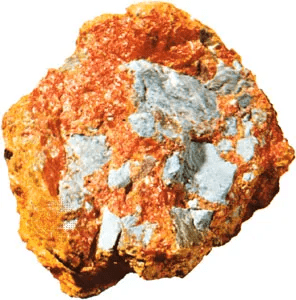
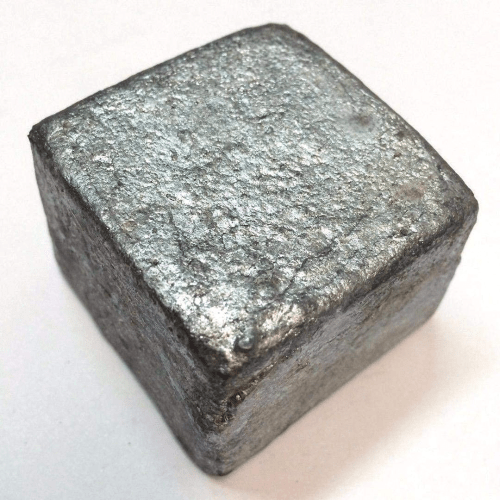
  1. Antimony compounds are used to make flame-retardant materials, paints, enamels, glass and pottery.
    51 Antimony Sb 121.76
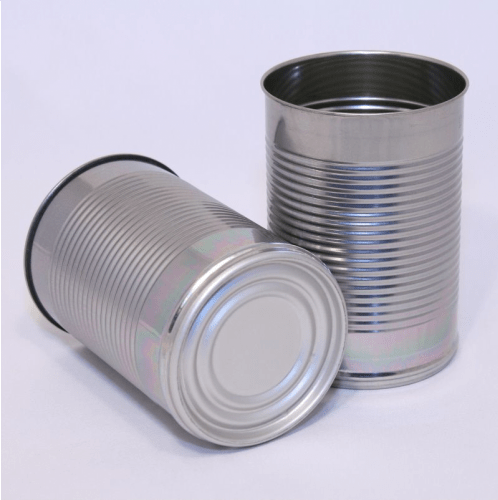
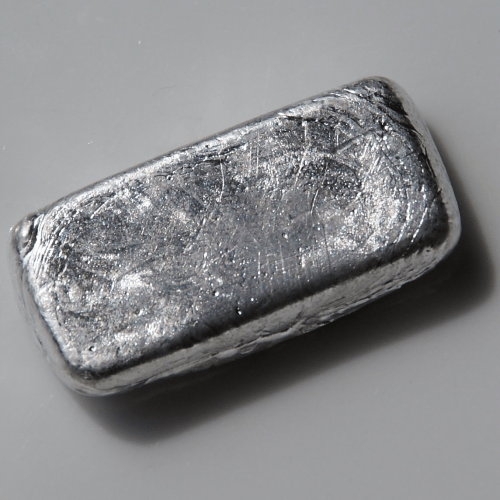
  2. Tin is a soft, malleable, ductile and highly crystalline silvery-white metal.
    50 Tin Sn 118.71
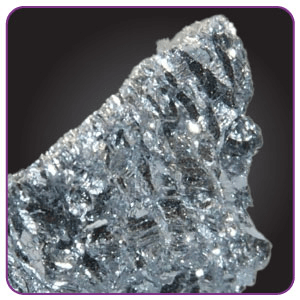
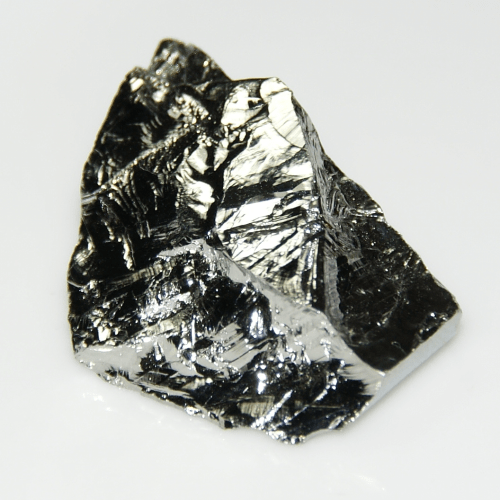
  3. Germanium is a chemical element; it has symbol Ge and atomic number 32. It is lustrous, hard-brittle, grayish-white and similar in appearance to silicon.
    32 Germanium Ge 72.64
  4. Indium is used to dope germanium to make transistors. It is also used to make other electrical components such as rectifiers, thermistors and photoconductors.
    49 Indium In 114.82
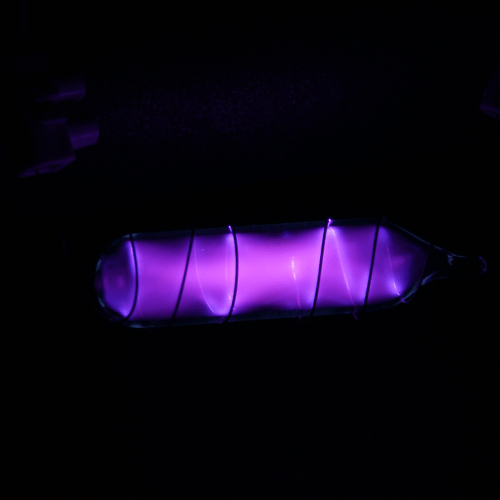
  5. the chemical element of atomic number 18, an inert gaseous element of the noble gas group. Argon is the commonest noble gas, making up nearly one per cent of the earth's atmosphere.
    18 Argon Ar 39.948
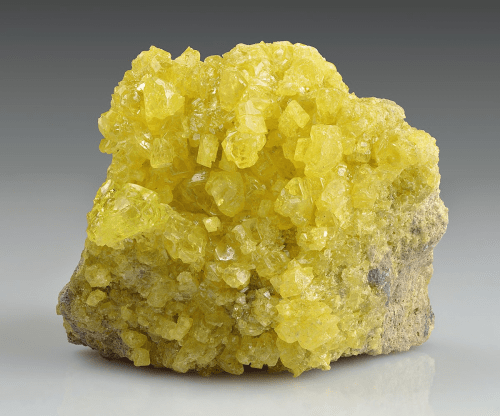
  6. Sulfur (also spelled sulphur in British English) is a chemical element; it has symbol S and atomic number 16. It is abundant, multivalent and nonmetallic.
    16 Sulfur S 32.065
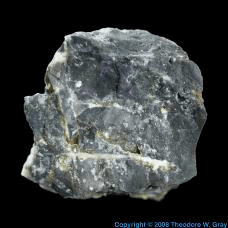
  7. Arsenic is a chemical element; it has symbol As and atomic number 33.
    33 Arsenic As 74.922
  8. odine is an element that is used by the thyroid. Humans cannot produce iodine, so it must be consumed. It is added to some foods and also to salt.
    53 Iodine I 126.9
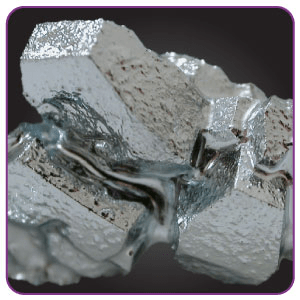
  9. Gallium is a chemical element with atomic number 31. Solid gallium is a blue-grey metal having an orthorhombic crystalline structure, whereas very pure gallium
    31 Gallium Ga 69.723
  10. Products containing bromine are used in agriculture and sanitation and as fire retardants (
    35 Bromine Br 79.904
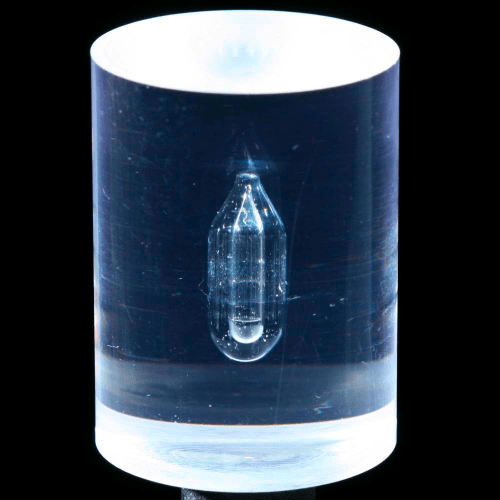
  11. Krypton (Kr), chemical element, a rare gas of Group 18 (noble gases) of the periodic table, which forms relatively few chemical compounds.
    36 Krypton Kr 83.798
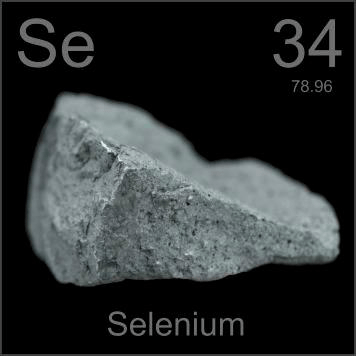
  12. Selenium is used to make pigments for ceramics, paint and plastics. Selenium has both a photovoltaic action (converts light to electricity) and a photoconductive action (electrical resistance decreases with increased illumination).
    34 Selenium Se 78.96
  13. Thallium has not been produced in the United States since 1984, but is imported for use in the manufacture of electronics, low temperature thermometers, optical lenses, and imitation precious jewels.
    81 Thallium Tl 204.38
  14. Selenium is used to make pigments for ceramics, paint and plastics. Selenium has both a photovoltaic action (converts light to electricity) and a photoconductive action (electrical resistance decreases with increased illumination).
    54 Xenon Xe 131.29
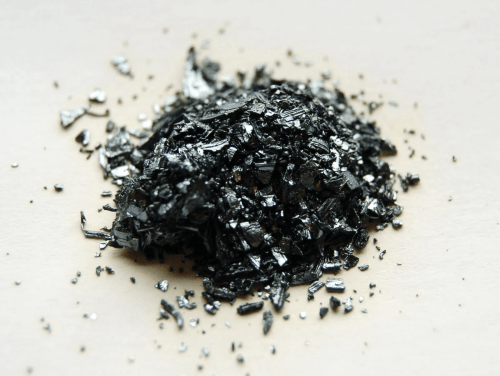
  15. Tellurium is chemically related to selenium and sulfur, all three of which are chalcogens. It is occasionally found in its native form as elemental crystals.
    52 Tellurium Te 127.6

  16. Chlorine is a greenish yellow gas at room temperature and atmospheric pressure. It is two and a half times heavier than air. It becomes a liquid
    17 Chlorine Cl 35.453