59PraseodymiumPr140.91Praseodymiumis a chemicalelement; it hassymbol Pr andthe atomicnumber 59.116LivermiriumLv293Livermorium is asynthetic chemicalelement with theatomic number116 and symbol Lvin the PeriodicTable.115MoscoviumMc289Ununpentium is ahighly super heavyand an artificiallyproduced radioactiveelement that has anatomic number of 115and a symbol of Uup.86RadonRn222Radon is an odorless,invisible, radioactive gasnaturally released fromrocks, soil, and water.Radon can get into homesand buildings through smallcracks or holes and buildup in the air. Over time,breathing in high levels ofradon can cause62SamariumSm150.36 Samarium is achemical element; ithas symbol Sm andatomic number 62. Itis a moderately hardsilvery metal thatslowly oxidizes in air.83BismuthBi208.98 Bismuth is a high-density, silvery, pink-tinged metal. Uses.Bismuth metal isbrittle and so it isusually mixed withother metals to makeit useful.85AstatineAt210 Astatine is the85th elementof the periodictable with asymbol 'At'.118OganessonOg294Oganesson is one ofthe 25 elements thathave yet to beobserved in a crystalstructure. It is asynthetic element,which means it doesnot occur naturally onearth.117TennessineTs294ennessine is a syntheticchemical element; it hassymbol Ts and atomicnumber 117. It is thesecond-heaviest knownelement and thepenultimate element ofthe 7th period of theperiodic table.60NeodymiumNd144.24 Neodymium is one of themore reactive lanthanides—a group of similarmetallic elementsnumbered 57-71 on theperiodic table. These 15elements, plus scandiumand yttrium, are termed“rare earth elements”(REEs).84PoloniumPo209Polonium is a very rarenatural element. It isfound in uranium oresbut it is uneconomical toextract it. It is obtainedby bombarding bismuth-209 with neutrons to givebismuth-210, which thendecays to form polonium.113NihoniumNh286 Nihonium is achemicalelement withsymbol Nh andatomic number113.61PromethiumPm145 Promethium is a chemicalelement; it has symbol Pmand atomic number 61. Allof its isotopes areradioactive; it is extremelyrare, with only about 500–600 grams naturallyoccurring in Earth's crust atany given time.114FleroviumFl289 Flerovium is asuperheavy syntheticchemical element; ithas symbol Fl andatomic number 114. Itis an extremelyradioactive syntheticelement,58CeriumCe140.12 Cerium is achemicalelement withsymbol Ce andatomic number58.82LeadPb207.2 Lead is soft andmalleable, and alsohas a relatively lowmelting point. Whenfreshly cut, lead is ashiny gray with a hintof blue. It tarnishes toa dull gray color whenexposed to air.59PraseodymiumPr140.91Praseodymiumis a chemicalelement; it hassymbol Pr andthe atomicnumber 59.116LivermiriumLv293Livermorium is asynthetic chemicalelement with theatomic number116 and symbol Lvin the PeriodicTable.115MoscoviumMc289Ununpentium is ahighly super heavyand an artificiallyproduced radioactiveelement that has anatomic number of 115and a symbol of Uup.86RadonRn222Radon is an odorless,invisible, radioactive gasnaturally released fromrocks, soil, and water.Radon can get into homesand buildings through smallcracks or holes and buildup in the air. Over time,breathing in high levels ofradon can cause62SamariumSm150.36Samarium is achemical element; ithas symbol Sm andatomic number 62. Itis a moderately hardsilvery metal thatslowly oxidizes in air.83BismuthBi208.98Bismuth is a high-density, silvery, pink-tinged metal. Uses.Bismuth metal isbrittle and so it isusually mixed withother metals to makeit useful.85AstatineAt210Astatine is the85th elementof the periodictable with asymbol 'At'.118OganessonOg294Oganesson is one ofthe 25 elements thathave yet to beobserved in a crystalstructure. It is asynthetic element,which means it doesnot occur naturally onearth.117TennessineTs294ennessine is a syntheticchemical element; it hassymbol Ts and atomicnumber 117. It is thesecond-heaviest knownelement and thepenultimate element ofthe 7th period of theperiodic table.60NeodymiumNd144.24Neodymium is one of themore reactive lanthanides—a group of similarmetallic elementsnumbered 57-71 on theperiodic table. These 15elements, plus scandiumand yttrium, are termed“rare earth elements”(REEs).84PoloniumPo209Polonium is a very rarenatural element. It isfound in uranium oresbut it is uneconomical toextract it. It is obtainedby bombarding bismuth-209 with neutrons to givebismuth-210, which thendecays to form polonium.113NihoniumNh286Nihonium is achemicalelement withsymbol Nh andatomic number113.61PromethiumPm145Promethium is a chemicalelement; it has symbol Pmand atomic number 61. Allof its isotopes areradioactive; it is extremelyrare, with only about 500–600 grams naturallyoccurring in Earth's crust atany given time.114FleroviumFl289Flerovium is asuperheavy syntheticchemical element; ithas symbol Fl andatomic number 114. Itis an extremelyradioactive syntheticelement,58CeriumCe140.12Cerium is achemicalelement withsymbol Ce andatomic number58.82LeadPb207.2Lead is soft andmalleable, and alsohas a relatively lowmelting point. Whenfreshly cut, lead is ashiny gray with a hintof blue. It tarnishes toa dull gray color whenexposed to air.

Untitled Bingo - Call List

(Print) Use this randomly generated list as your call list when playing the game. There is no need to say the BINGO column name. Place some kind of mark (like an X, a checkmark, a dot, tally mark, etc) on each cell as you announce it, to keep track. You can also cut out each item, place them in a bag and pull words from the bag.


1
2
3
4
5
6
7
8
9
10
11
12
13
14
15
16
  1. Praseodymium is a chemical element; it has symbol Pr and the atomic number 59.
    59 Praseodymium Pr 140.91
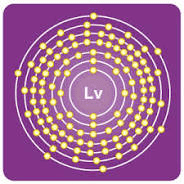
  2. Livermorium is a synthetic chemical element with the atomic number 116 and symbol Lv in the Periodic Table.
    116 Livermirium Lv 293
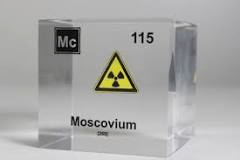
  3. Ununpentium is a highly super heavy and an artificially produced radioactive element that has an atomic number of 115 and a symbol of Uup.
    115 Moscovium Mc 289
  4. Radon is an odorless, invisible, radioactive gas naturally released from rocks, soil, and water. Radon can get into homes and buildings through small cracks or holes and build up in the air. Over time, breathing in high levels of radon can cause
    86 Radon Rn 222
  5. Samarium is a chemical element; it has symbol Sm and atomic number 62. It is a moderately hard silvery metal that slowly oxidizes in air.
    62 Samarium Sm 150.36
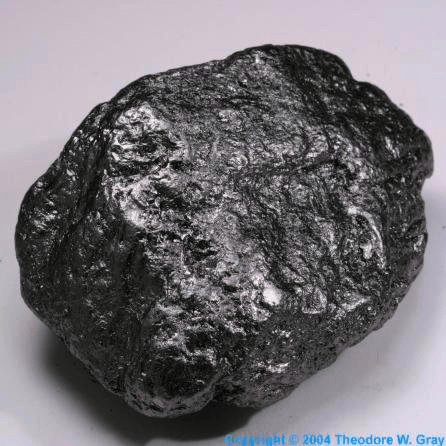
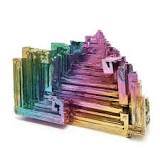
  6. Bismuth is a high-density, silvery, pink-tinged metal. Uses. Bismuth metal is brittle and so it is usually mixed with other metals to make it useful.
    83 Bismuth Bi 208.98
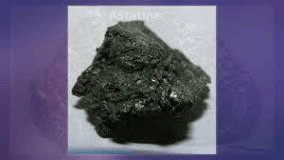
  7. Astatine is the 85th element of the periodic table with a symbol 'At'.
    85 Astatine At 210
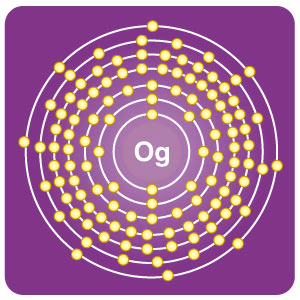
  8. Oganesson is one of the 25 elements that have yet to be observed in a crystal structure. It is a synthetic element, which means it does not occur naturally on earth.
    118 Oganesson Og 294
  9. ennessine is a synthetic chemical element; it has symbol Ts and atomic number 117. It is the second-heaviest known element and the penultimate element of the 7th period of the periodic table.
    117 Tennessine Ts 294
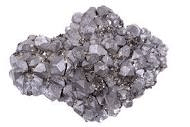
  10. Neodymium is one of the more reactive lanthanides—a group of similar metallic elements numbered 57-71 on the periodic table. These 15 elements, plus scandium and yttrium, are termed “rare earth elements” (REEs).
    60 Neodymium Nd 144.24
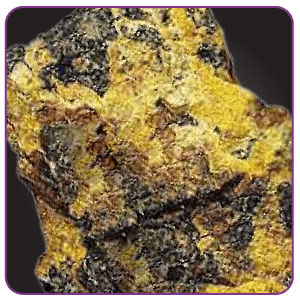
  11. Polonium is a very rare natural element. It is found in uranium ores but it is uneconomical to extract it. It is obtained by bombarding bismuth-209 with neutrons to give bismuth-210, which then decays to form polonium.
    84 Polonium Po 209
  12. Nihonium is a chemical element with symbol Nh and atomic number 113.
    113 Nihonium Nh 286
  13. Promethium is a chemical element; it has symbol Pm and atomic number 61. All of its isotopes are radioactive; it is extremely rare, with only about 500–600 grams naturally occurring in Earth's crust at any given time.
    61 Promethium Pm 145

  14. Flerovium is a superheavy synthetic chemical element; it has symbol Fl and atomic number 114. It is an extremely radioactive synthetic element,
    114 Flerovium Fl 289
  15. Cerium is a chemical element with symbol Ce and atomic number 58.
    58 Cerium Ce 140.12
  16. Lead is soft and malleable, and also has a relatively low melting point. When freshly cut, lead is a shiny gray with a hint of blue. It tarnishes to a dull gray color when exposed to air.
    82 Lead Pb 207.2