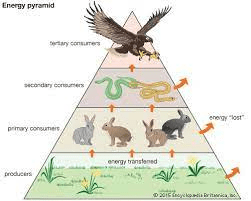
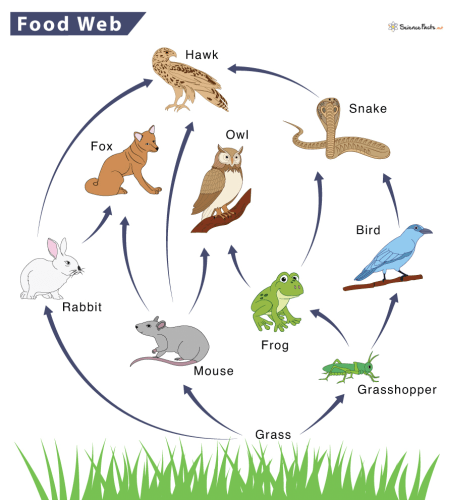
Parasitismcauseharm tothe hostCarryingCapacitythe numberof organismsan area cansupportAbioticFactornon-livingfactorMutualismBothorganismsbenefit fromtherelationshipeatsplantsonlyHerbivoreConsumereatsHostharmedby aparasiteDecomposerbreaksdown deadmaterialfor foodOmnivoreeats bothplants andanimalsEnergyPyramidEcosystemall of thebiotic andabioticfactors in anenvironmentWin-WinRelationshipMutualismWin-NeutralRelationshipCommensalismFoodWebPreyhuntedand killedfor food2ndconsumerA consumerfeeds onanotherconsumerProducermakesit's ownfoodAutotrophMakesit ownfoodKeystoneSpeciesThe loss ofthis organismcauses atrophiccascadeCommensalismOne organismbenefits, theotherone isunaffectedBioticFactorlivingfactorPopulationall of thesamespecies inan areaPredatorHuntsit'sfoodSymbioticRelationshipa closerealationshipwhere at leastone organismbenefitsCompetitionthestruggleforresorucesHeterotrophfeedsonothersNichethe role anorganismhas in theecosystemLimitingFactorsfactors thataffect thegrowth of apopulationExponentialGrowthJCurveParasitismcauseharm tothe hostCarryingCapacitythe numberof organismsan area cansupportAbioticFactornon-livingfactorMutualismBothorganismsbenefit fromtherelationshipeatsplantsonlyHerbivoreConsumereatsHostharmedby aparasiteDecomposerbreaksdown deadmaterialfor foodOmnivoreeats bothplants andanimalsEnergyPyramidEcosystemall of thebiotic andabioticfactors in anenvironmentWin-WinRelationshipMutualismWin-NeutralRelationshipCommensalismFoodWebPreyhuntedand killedfor food2ndconsumerA consumerfeeds onanotherconsumerProducermakesit's ownfoodAutotrophMakesit ownfoodKeystoneSpeciesThe loss ofthis organismcauses atrophiccascadeCommensalismOne organismbenefits, theotherone isunaffectedBioticFactorlivingfactorPopulationall of thesamespecies inan areaPredatorHuntsit'sfoodSymbioticRelationshipa closerealationshipwhere at leastone organismbenefitsCompetitionthestruggleforresorucesHeterotrophfeedsonothersNichethe role anorganismhas in theecosystemLimitingFactorsfactors thataffect thegrowth of apopulationExponentialGrowthJCurve

Ecological Relationships LT - Call List

(Print) Use this randomly generated list as your call list when playing the game. Place some kind of mark (like an X, a checkmark, a dot, tally mark, etc) on each cell as you announce it, to keep track. You can also cut out each item, place them in a bag and pull words from the bag.


1
I I
2
O O
3
O O
4
G G
5
B B
6
B B
7
G G
8
O O
9
G G
10
N N
11
I I
12
I I
13
G G
14
I I
15
I I
16
B B
17
I I
18
N N
19
G G
20
O O
21
G G
22
N N
23
B B
24
B B
25
O O
26
O O
27
B B
28
N N
29
N N
  1. I-cause harm to the host
    I-Parasitism
  2. O-the number of organisms an area can support
    O-Carrying Capacity
  3. O-non-living factor
    O-Abiotic Factor
  4. G-Both organisms benefit from the relationship
    G-Mutualism
  5. B-Herbivore
    B-eats plants only
  6. B-eats
    B-Consumer
  7. G-harmed by a parasite
    G-Host
  8. O-breaks down dead material for food
    O-Decomposer
  9. G-eats both plants and animals
    G- Omnivore
  10. N-Energy Pyramid
    N-
  11. I-all of the biotic and abiotic factors in an environment
    I-Ecosystem
  12. I-Mutualism
    I-Win-Win Relationship
  13. G-Commensalism
    G-Win-Neutral Relationship
  14. I-Food Web
    I-
  15. I-hunted and killed for food
    I-Prey
  16. B-A consumer feeds on another consumer
    B-2nd consumer

  17. I-makes it's own food
    I-Producer
  18. N-Makes it own food
    N-Autotroph
  19. G-The loss of this organism causes a trophic cascade
    G-Keystone Species
  20. O-One organism benefits, the other one is unaffected
    O-Commensalism
  21. G-living factor
    G-Biotic Factor
  22. N-all of the same species in an area
    N-Population
  23. B-Hunts it's food
    B-Predator
  24. B-a close realationship where at least one organism benefits
    B-Symbiotic Relationship
  25. O-the struggle for resoruces
    O-Competition
  26. O-feeds on others
    O-Heterotroph
  27. B-the role an organism has in the ecosystem
    B-Niche
  28. N- factors that affect the growth of a population
    N-Limiting Factors
  29. N-J Curve
    N-Exponential Growth