PhysicalWeatheringWhat type ofweathering isdemonstratedin the followingpicture?ChemicalWeatheringWhat type ofweathering isdemonstratedin the followingpictures?GrowthRateIf bacteria areexposed toantibiotics, thentheir growth rate willdecrease. What isthe dependentvariable?# of protons,neutrons,andelectronsWhat makeselements onthe periodictable differentfrom oneanother?ExposuretoAntibioticsIf bacteria areexposed toantibiotics, thentheir growth rate willdecrease. What isthe independentvariable?UniversalSolventWhat propertyof waterallows it todissolve manysubstances?OxygenWhat is themostabundantelement inliving matter?ProtonWhat doesB representin theatom?CondensationWhat step inthe water cyclehas a phasechange of gasto liquid?ChemicalA change thatproduces a newsubstance is calleda __________change. This can berepresented by achemical equation.CompoundIs CO acompoundor anelement?ChemicalChangeLooking at thechemical equationbelow, what typeof changehappened?2H₂ + O₂ → 2H₂OElectronWhat doesA representin theatom?ElementIs Na₂ anelement orcompound?Slightly +on one endslightly - onthe otherWhat allowswatermolecules tostick togetherlike magnets?Water hasa highheatcapacityWhy are areasnear watercooler in thesummer andwarmer in thewinter?WeekWhat is theindependentvariable inthisexperiment?SurfaceTensionWhat propertyof water allowssome insectsto “walk onwater”?BioticLivingcomponentsof anecosystem.AbioticNon-livingcomponentsof anecosystem.SymbolAn elementisrepresentedby this.Waterexpandswhen itfreezesIce is able to floatbecause it is lessdense than water.What uniquecharacteristic ofwater allows it tobecome less densewhen frozen?NeutronWhat doesC representin theatom?They all haveprotons,neutrons, andelectronsWhat makeselements onthe periodictable similarto each other?FormulaA compoundisrepresentedby this.PhysicalWeatheringWhat type ofweathering isdemonstratedin the followingpicture?ChemicalWeatheringWhat type ofweathering isdemonstratedin the followingpictures?GrowthRateIf bacteria areexposed toantibiotics, thentheir growth rate willdecrease. What isthe dependentvariable?# of protons,neutrons,andelectronsWhat makeselements onthe periodictable differentfrom oneanother?ExposuretoAntibioticsIf bacteria areexposed toantibiotics, thentheir growth rate willdecrease. What isthe independentvariable?UniversalSolventWhat propertyof waterallows it todissolve manysubstances?OxygenWhat is themostabundantelement inliving matter?ProtonWhat doesB representin theatom?CondensationWhat step inthe water cyclehas a phasechange of gasto liquid?ChemicalA change thatproduces a newsubstance is calleda __________change. This can berepresented by achemical equation.CompoundIs CO acompoundor anelement?ChemicalChangeLooking at thechemical equationbelow, what typeof changehappened?2H₂ + O₂ → 2H₂OElectronWhat doesA representin theatom?ElementIs Na₂ anelement orcompound?Slightly +on one endslightly - onthe otherWhat allowswatermolecules tostick togetherlike magnets?Water hasa highheatcapacityWhy are areasnear watercooler in thesummer andwarmer in thewinter?WeekWhat is theindependentvariable inthisexperiment?SurfaceTensionWhat propertyof water allowssome insectsto “walk onwater”?BioticLivingcomponentsof anecosystem.AbioticNon-livingcomponentsof anecosystem.SymbolAn elementisrepresentedby this.Waterexpandswhen itfreezesIce is able to floatbecause it is lessdense than water.What uniquecharacteristic ofwater allows it tobecome less densewhen frozen?NeutronWhat doesC representin theatom?They all haveprotons,neutrons, andelectronsWhat makeselements onthe periodictable similarto each other?FormulaA compoundisrepresentedby this.

Semester 1 Review - Call List

(Print) Use this randomly generated list as your call list when playing the game. There is no need to say the BINGO column name. Place some kind of mark (like an X, a checkmark, a dot, tally mark, etc) on each cell as you announce it, to keep track. You can also cut out each item, place them in a bag and pull words from the bag.


1
2
3
4
5
6
7
8
9
10
11
12
13
14
15
16
17
18
19
20
21
22
23
24
25
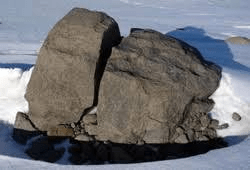
  1. What type of weathering is demonstrated in the following picture?
    Physical Weathering
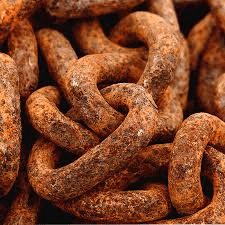
  2. What type of weathering is demonstrated in the following pictures?
    Chemical Weathering
  3. If bacteria are exposed to antibiotics, then their growth rate will decrease. What is the dependent variable?
    Growth Rate
  4. What makes elements on the periodic table different from one another?
    # of protons, neutrons, and electrons
  5. If bacteria are exposed to antibiotics, then their growth rate will decrease. What is the independent variable?
    Exposure to Antibiotics
  6. What property of water allows it to dissolve many substances?
    Universal Solvent
  7. What is the most abundant element in living matter?
    Oxygen
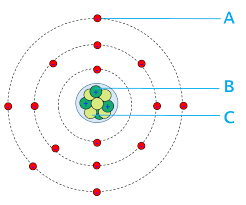
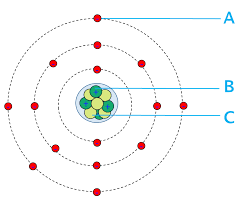
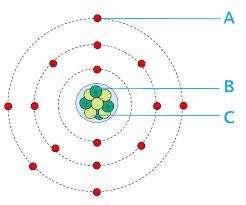
  8. What does B represent in the atom?
    Proton
  9. What step in the water cycle has a phase change of gas to liquid?
    Condensation
  10. A change that produces a new substance is called a __________ change. This can be represented by a chemical equation.
    Chemical
  11. Is CO a compound or an element?
    Compound
  12. Looking at the chemical equation below, what type of change happened? 2H₂ + O₂ → 2H₂O
    Chemical Change
  13. What does A represent in the atom?
    Electron
  14. Is Na₂ an element or compound?
    Element
  15. What allows water molecules to stick together like magnets?
    Slightly + on one end slightly - on the other
  16. Why are areas near water cooler in the summer and warmer in the winter?
    Water has a high heat capacity

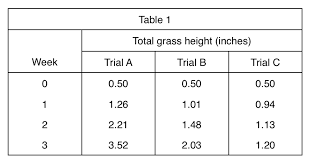
  17. What is the independent variable in this experiment?
    Week
  18. What property of water allows some insects to “walk on water”?
    Surface Tension
  19. Living components of an ecosystem.
    Biotic
  20. Non-living components of an ecosystem.
    Abiotic
  21. An element is represented by this.
    Symbol
  22. Ice is able to float because it is less dense than water. What unique characteristic of water allows it to become less dense when frozen?
    Water expands when it freezes
  23. What does C represent in the atom?
    Neutron
  24. What makes elements on the periodic table similar to each other?
    They all have protons, neutrons, and electrons
  25. A compound is represented by this.
    Formula