logicalusing a thinkingprocess inwhich facts andideas areconnected in acorrect waystatisticpieces ofdata or factsgathered inthe form ofnumbers.factsomethingknown orproved tobe true.contraryopinions, oractions arecompletelydifferent andopposed to eachother;opposinghyperbolean exaggeratedstatement oftenused foremphasis andnot to be takenliterallyemotionalappealsa method ofpersuasionthat's designedto create anemotionalresponse.refuteto prove wrongby argument orevidence :show to befalse.argumentativeopposeto think,act, or beagainst;resist.opinionwhat onethinks aboutsomething orsomebody;viewpointcall toactionsomething such asa speech, piece ofwriting, or act thatasks or encouragespeople to takeaction about aproblem:intendedaudience–the group ofpeople towhom a text isintentionallydirected.stereotypea belief or idea ofwhat a particulartype of person orthing is like.Theseare often unfair oruntruereliablesomeone orsomething thatis reliable canbe trusted ordepended onexampleofhyperbolelogicalfallacythese argumentssoundconvincing, butthey are full offlaws and faults.counter-argumenta position thatgoes against,or opposes,your mainargument.specificevidencedetails, facts,statistics,anecdotes, orquotations thatsupport anargument or claimin an essayvaliditya piece ofinformation iswhether it canbe trusted orbelieved.examplesof logicalfallaciespositionThe claim thata writer orspeaker makesabout acontroversialissue.claimthe positionbeing takenin theargument –the thesisrebuttala form ofevidence that ispresented tocontradict ornullify otherevidencedebatediscussion of aparticular subjectthat often continuesfor a long time andin which peopleexpress differentopinionslogicalusing a thinkingprocess inwhich facts andideas areconnected in acorrect waystatisticpieces ofdata or factsgathered inthe form ofnumbers.factsomethingknown orproved tobe true.contraryopinions, oractions arecompletelydifferent andopposed to eachother;opposinghyperbolean exaggeratedstatement oftenused foremphasis andnot to be takenliterallyemotionalappealsa method ofpersuasionthat's designedto create anemotionalresponse.refuteto prove wrongby argument orevidence :show to befalse.argumentativeopposeto think,act, or beagainst;resist.opinionwhat onethinks aboutsomething orsomebody;viewpointcall toactionsomething such asa speech, piece ofwriting, or act thatasks or encouragespeople to takeaction about aproblem:intendedaudience–the group ofpeople towhom a text isintentionallydirected.stereotypea belief or idea ofwhat a particulartype of person orthing is like.Theseare often unfair oruntruereliablesomeone orsomething thatis reliable canbe trusted ordepended onexampleofhyperbolelogicalfallacythese argumentssoundconvincing, butthey are full offlaws and faults.counter-argumenta position thatgoes against,or opposes,your mainargument.specificevidencedetails, facts,statistics,anecdotes, orquotations thatsupport anargument or claimin an essayvaliditya piece ofinformation iswhether it canbe trusted orbelieved.examplesof logicalfallaciespositionThe claim thata writer orspeaker makesabout acontroversialissue.claimthe positionbeing takenin theargument –the thesisrebuttala form ofevidence that ispresented tocontradict ornullify otherevidencedebatediscussion of aparticular subjectthat often continuesfor a long time andin which peopleexpress differentopinions

Argumentative Vocabulary - Call List

(Print) Use this randomly generated list as your call list when playing the game. There is no need to say the BINGO column name. Place some kind of mark (like an X, a checkmark, a dot, tally mark, etc) on each cell as you announce it, to keep track. You can also cut out each item, place them in a bag and pull words from the bag.


1
2
3
4
5
6
7
8
9
10
11
12
13
14
15
16
17
18
19
20
21
22
23
24
  1. using a thinking process in which facts and ideas are connected in a correct way
    logical
  2. pieces of data or facts gathered in the form of numbers.
    statistic
  3. something known or proved to be true.
    fact
  4. opinions, or actions are completely different and opposed to each other;opposing
    contrary
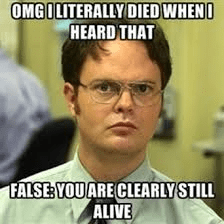
  5. an exaggerated statement often used for emphasis and not to be taken literally
    hyperbole
  6. a method of persuasion that's designed to create an emotional response.
    emotional appeals
  7. to prove wrong by argument or evidence : show to be false.
    refute

  8. argumentative
  9. to think, act, or be against; resist.
    oppose
  10. what one thinks about something or somebody; viewpoint
    opinion
  11. something such as a speech, piece of writing, or act that asks or encourages people to take action about a problem:
    call to action
  12. –the group of people to whom a text is intentionally directed.
    intended audience
  13. a belief or idea of what a particular type of person or thing is like.These are often unfair or untrue
    stereotype
  14. someone or something that is reliable can be trusted or depended on
    reliable

  15. example of hyperbole
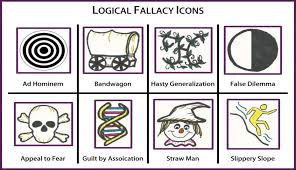
  16. these arguments sound convincing, but they are full of flaws and faults.
    logical fallacy
  17. a position that goes against, or opposes, your main argument.
    counter-argument
  18. details, facts, statistics, anecdotes, or quotations that support an argument or claim in an essay
    specific evidence
  19. a piece of information is whether it can be trusted or believed.
    validity

  20. examples of logical fallacies
  21. The claim that a writer or speaker makes about a controversial issue.
    position
  22. the position being taken in the argument – the thesis
    claim
  23. a form of evidence that is presented to contradict or nullify other evidence
    rebuttal
  24. discussion of a particular subject that often continues for a long time and in which people express different opinions
    debate