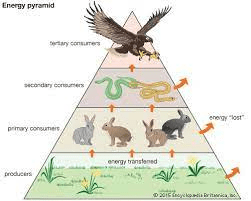
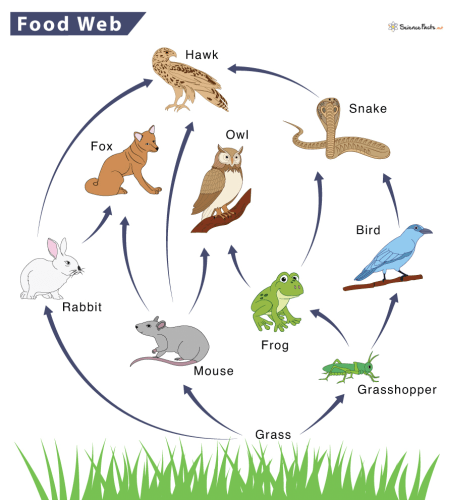
Populationall of thesamespecies inan areaConsumereatsPreyhuntedand killedfor foodFoodWebthe numberof organismsan area cansupportTrophicLevelThe loss ofthis organismcauses atrophiccascadeEcosystemall of thebiotic andabioticfactors in anenvironmentNichethe role anorganismhas in theecosystemHeterotrophfeedsonothers2ndconsumerA consumerfeeds onanotherconsumerEcologyfactors thataffect thegrowth of apopulationDecomposerbreaksdown deadmaterialfor foodParasitismcauseharm tothe hostMutualismBothorganismsbenefit fromtherelationshipWin-WinRelationshipMutualismCommunityMakesit ownfoodAbioticFactornon-livingfactorOmnivoreeats bothplants andanimalsCommensalismOne organismbenefits, theotherone isunaffectedCompetitionthestruggleforresorucesAdaptationJCurveFoodChainCommensalismHostharmedby aparasiteBioticFactorlivingfactorPredatorHuntsit'sfoodeatsplantsonlyHerbivoreProducermakesit's ownfoodSymbioticRelationshipa closerealationshipwhere at leastone organismbenefitsEnergyPyramidFoodWebPopulationall of thesamespecies inan areaConsumereatsPreyhuntedand killedfor foodFoodWebthe numberof organismsan area cansupportTrophicLevelThe loss ofthis organismcauses atrophiccascadeEcosystemall of thebiotic andabioticfactors in anenvironmentNichethe role anorganismhas in theecosystemHeterotrophfeedsonothers2ndconsumerA consumerfeeds onanotherconsumerEcologyfactors thataffect thegrowth of apopulationDecomposerbreaksdown deadmaterialfor foodParasitismcauseharm tothe hostMutualismBothorganismsbenefit fromtherelationshipWin-WinRelationshipMutualismCommunityMakesit ownfoodAbioticFactornon-livingfactorOmnivoreeats bothplants andanimalsCommensalismOne organismbenefits, theotherone isunaffectedCompetitionthestruggleforresorucesAdaptationJCurveFoodChainCommensalismHostharmedby aparasiteBioticFactorlivingfactorPredatorHuntsit'sfoodeatsplantsonlyHerbivoreProducermakesit's ownfoodSymbioticRelationshipa closerealationshipwhere at leastone organismbenefitsEnergyPyramidFoodWeb

Interaction with Ecosystem - Call List

(Print) Use this randomly generated list as your call list when playing the game. Place some kind of mark (like an X, a checkmark, a dot, tally mark, etc) on each cell as you announce it, to keep track. You can also cut out each item, place them in a bag and pull words from the bag.


1
N N
2
B B
3
I I
4
O O
5
G G
6
I I
7
B B
8
O O
9
B B
10
N N
11
O O
12
I I
13
G G
14
I I
15
N N
16
O O
17
G G
18
O O
19
O O
20
N N
21
G G
22
G G
23
G G
24
B B
25
B B
26
I I
27
B B
28
N N
29
I I
  1. N-all of the same species in an area
    N-Population
  2. B-eats
    B-Consumer
  3. I-hunted and killed for food
    I-Prey
  4. O-the number of organisms an area can support
    O-Food Web

  5. G-The loss of this organism causes a trophic cascade
    G-Trophic Level
  6. I-all of the biotic and abiotic factors in an environment
    I-Ecosystem
  7. B-the role an organism has in the ecosystem
    B-Niche
  8. O-feeds on others
    O-Heterotroph
  9. B-A consumer feeds on another consumer
    B-2nd consumer
  10. N- factors that affect the growth of a population
    N-Ecology
  11. O-breaks down dead material for food
    O-Decomposer
  12. I-cause harm to the host
    I-Parasitism
  13. G-Both organisms benefit from the relationship
    G-Mutualism
  14. I-Mutualism
    I-Win-Win Relationship
  15. N-Makes it own food
    N-Community
  16. O-non-living factor
    O-Abiotic Factor
  17. G-eats both plants and animals
    G- Omnivore
  18. O-One organism benefits, the other one is unaffected
    O-Commensalism
  19. O-the struggle for resoruces
    O-Competition
  20. N-J Curve
    N-Adaptation
  21. G-Commensalism
    G-Food Chain
  22. G-harmed by a parasite
    G-Host
  23. G-living factor
    G-Biotic Factor
  24. B-Hunts it's food
    B-Predator
  25. B-Herbivore
    B-eats plants only
  26. I-makes it's own food
    I-Producer
  27. B-a close realationship where at least one organism benefits
    B-Symbiotic Relationship
  28. N-Energy Pyramid
    N-
  29. I-Food Web
    I-