habitatWhere anorganismlivesdiagramof abioticfactorsmutualismA relationshipbetween twospecies inwhich bothspecies benefitabioticNon-livingpart of theenvironmentnichethe role and position aspecies has in itsenvironment,encompassing itshabitat, resources,interactions with otherspecies, and how itmeets its needs forsurvival and reproduction+,-a way toshowparasitismpredationPredator/Preyrelationship whereone organism, thepredator, kills andeats anotherorganismparasiteAn organismthat feedson a (living)hostparasitismA relationshipbetween twospecies in whichone species, (theparasite), benefitsfrom the other andharms it.diagramof bioticfactorsbioticLivingfactors intheenvironmentpopulationA group oforganisms of thesame species thatlive in a specificgeographical areadiagramshowingbiologicalslevels oforganization+,+a way toshowmutualismcommensalismA relationshipbetween twoorganisms in whichone organismbenefits and theother organism isn’thelped nor harmedpredatorAn organismthat kills andeats all or partof anotherorganism symbiosisA relationship inwhich two differentorganisms live inclose associationwith each other(ex. mutualism,commensalism,parasitism) competitionWhen two or moreindividuals/populationstry to use the sameresources ecologyStudy of theinteractions oforganisms withone anotherand with theirenvironmentconsumerAn organismthat eats otherorganisms ororganic matterfor energyhostThe organismin a parasiticrelationshipthat isharmed +,0a way to showcommensalismcommunityAll the populationsof species that livein the samehabitat andinteract with eachotherorganismA livingthingbiospherethe global ecosystemencompassing allliving organisms andtheir interactions withthe non-livingenvironment (abioticfactors) on EarthpreyAn organismthat is killedand eaten byanotherorganism ecosystemA communityof organismsand theirabioticenvironment producerAn organism thatcan make its ownfood by usingenergy from itssurroundings(sunlight)habitatWhere anorganismlivesdiagramof abioticfactorsmutualismA relationshipbetween twospecies inwhich bothspecies benefitabioticNon-livingpart of theenvironmentnichethe role and position aspecies has in itsenvironment,encompassing itshabitat, resources,interactions with otherspecies, and how itmeets its needs forsurvival and reproduction+,-a way toshowparasitismpredationPredator/Preyrelationship whereone organism, thepredator, kills andeats anotherorganismparasiteAn organismthat feedson a (living)hostparasitismA relationshipbetween twospecies in whichone species, (theparasite), benefitsfrom the other andharms it.diagramof bioticfactorsbioticLivingfactors intheenvironmentpopulationA group oforganisms of thesame species thatlive in a specificgeographical areadiagramshowingbiologicalslevels oforganization+,+a way toshowmutualismcommensalismA relationshipbetween twoorganisms in whichone organismbenefits and theother organism isn’thelped nor harmedpredatorAn organismthat kills andeats all or partof anotherorganism symbiosisA relationship inwhich two differentorganisms live inclose associationwith each other(ex. mutualism,commensalism,parasitism) competitionWhen two or moreindividuals/populationstry to use the sameresources ecologyStudy of theinteractions oforganisms withone anotherand with theirenvironmentconsumerAn organismthat eats otherorganisms ororganic matterfor energyhostThe organismin a parasiticrelationshipthat isharmed +,0a way to showcommensalismcommunityAll the populationsof species that livein the samehabitat andinteract with eachotherorganismA livingthingbiospherethe global ecosystemencompassing allliving organisms andtheir interactions withthe non-livingenvironment (abioticfactors) on EarthpreyAn organismthat is killedand eaten byanotherorganism ecosystemA communityof organismsand theirabioticenvironment producerAn organism thatcan make its ownfood by usingenergy from itssurroundings(sunlight)

Ecology #1 Vocabulary - Call List

(Print) Use this randomly generated list as your call list when playing the game. There is no need to say the BINGO column name. Place some kind of mark (like an X, a checkmark, a dot, tally mark, etc) on each cell as you announce it, to keep track. You can also cut out each item, place them in a bag and pull words from the bag.


1
2
3
4
5
6
7
8
9
10
11
12
13
14
15
16
17
18
19
20
21
22
23
24
25
26
27
28
  1. Where an organism lives
    habitat
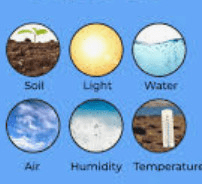
  2. diagram of abiotic factors
  3. A relationship between two species in which both species benefit
    mutualism
  4. Non-living part of the environment
    abiotic
  5. the role and position a species has in its environment, encompassing its habitat, resources, interactions with other species, and how it meets its needs for survival and reproduction
    niche
  6. a way to show parasitism
    +,-
  7. Predator/Prey relationship where one organism, the predator, kills and eats another organism
    predation
  8. An organism that feeds on a (living) host
    parasite

  9. A relationship between two species in which one species, (the parasite), benefits from the other and harms it.
    parasitism
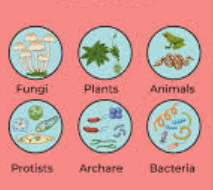
  10. diagram of biotic factors
  11. Living factors in the environment
    biotic
  12. A group of organisms of the same species that live in a specific geographical area
    population
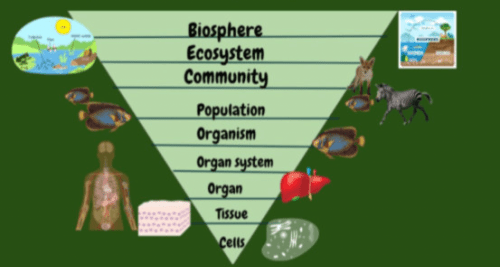
  13. diagram showing biologicals levels of organization
  14. a way to show mutualism
    +,+
  15. A relationship between two organisms in which one organism benefits and the other organism isn’t helped nor harmed
    commensalism
  16. An organism that kills and eats all or part of another organism
    predator
  17. A relationship in which two different organisms live in close association with each other (ex. mutualism, commensalism, parasitism)
    symbiosis
  18. When two or more individuals/populations try to use the same resources
    competition
  19. Study of the interactions of organisms with one another and with their environment
    ecology
  20. An organism that eats other organisms or organic matter for energy
    consumer
  21. The organism in a parasitic relationship that is harmed
    host
  22. a way to show commensalism
    +,0
  23. All the populations of species that live in the same habitat and interact with each other
    community
  24. A living thing
    organism
  25. the global ecosystem encompassing all living organisms and their interactions with the non-living environment (abiotic factors) on Earth
    biosphere
  26. An organism that is killed and eaten by another organism
    prey
  27. A community of organisms and their abiotic environment
    ecosystem
  28. An organism that can make its own food by using energy from its surroundings (sunlight)
    producer