D.S.al fine"Dal Segno alfine," meaninggo back to thesign and playuntil the pointmarked "fine".This symbol,called a fermata,tells you to holdthe note longerthan written, untilthe conductor tellsyou to stop.This symbol,called a tie,tells you to addthe note valuestogether.This symbol,called a coda,tells you tojump to it whenthe music tellsyou "to coda"This symbol,called tenuto,tells you totongue lightly andhold the note outfor its full value.This symbol,called a doubleflat, tells you tolower the noteby 2 half stepsAndanteThis termindicates aslow, walkingtempoLegatoThis termindicatesthat you playsmooth andconnectedThis articulationsymbol, calledan accent, tellsyou to play thenote loud andthen decayThis symbol,called a forte-piano, meansto play loud andimmediatelydrop to softD.C.al fineMeaning to goback to thebeginning andplay until thepoint marked"fine".This symbol,called a doublesharp, tells youto raise thenote by 2 halfsteps.accelerandoThis musicalterm tells youto graduallyincrease thetempo.SimpletimeIn this for of time,each beat can besubdivided intotwo equal parts.Commonexamples include2/4 and 4/4.EighthnotetripletsTransposinginstrumentAn instrumentwhose notatedpitch is differentfrom its soundedpitch, for examplethe clarinet orsaxophone.TrillThe term for amusical figurewhere two notesare played in rapidsuccession,alternately betweentwo pitchesThis symbol, calleda slur, indicates thatyou only tongue thefirst note and notthe othersunderneath thearticulation.EnharmonicequivalentThis term refers towhen two notesare writtendifferently butsound the same,for example Aband G#.CompoundtimeIn this type of timethe main beat is adotted quarternote. Commonexamples are 6/8,9/8, and 12/8.AtempoThis term tellsyou to play atthe originaltempo in a pieceafter the tempochanged.Symbolmeaning torepeat thepreviousmeasureRitardandoThis musicalterm tells youto graduallydecrease thetempo.ConcertinstrumentThis is a type of musicalinstrument whose writtenpitch matches the actualsound it produces. Thismeans that if you write a"C" on music for aconcert pitch instrument,the instrument will sounda "C". D.S.al fine"Dal Segno alfine," meaninggo back to thesign and playuntil the pointmarked "fine".This symbol,called a fermata,tells you to holdthe note longerthan written, untilthe conductor tellsyou to stop.This symbol,called a tie,tells you to addthe note valuestogether.This symbol,called a coda,tells you tojump to it whenthe music tellsyou "to coda"This symbol,called tenuto,tells you totongue lightly andhold the note outfor its full value.This symbol,called a doubleflat, tells you tolower the noteby 2 half stepsAndanteThis termindicates aslow, walkingtempoLegatoThis termindicatesthat you playsmooth andconnectedThis articulationsymbol, calledan accent, tellsyou to play thenote loud andthen decayThis symbol,called a forte-piano, meansto play loud andimmediatelydrop to softD.C.al fineMeaning to goback to thebeginning andplay until thepoint marked"fine".This symbol,called a doublesharp, tells youto raise thenote by 2 halfsteps.accelerandoThis musicalterm tells youto graduallyincrease thetempo.SimpletimeIn this for of time,each beat can besubdivided intotwo equal parts.Commonexamples include2/4 and 4/4.EighthnotetripletsTransposinginstrumentAn instrumentwhose notatedpitch is differentfrom its soundedpitch, for examplethe clarinet orsaxophone.TrillThe term for amusical figurewhere two notesare played in rapidsuccession,alternately betweentwo pitchesThis symbol, calleda slur, indicates thatyou only tongue thefirst note and notthe othersunderneath thearticulation.EnharmonicequivalentThis term refers towhen two notesare writtendifferently butsound the same,for example Aband G#.CompoundtimeIn this type of timethe main beat is adotted quarternote. Commonexamples are 6/8,9/8, and 12/8.AtempoThis term tellsyou to play atthe originaltempo in a pieceafter the tempochanged.Symbolmeaning torepeat thepreviousmeasureRitardandoThis musicalterm tells youto graduallydecrease thetempo.ConcertinstrumentThis is a type of musicalinstrument whose writtenpitch matches the actualsound it produces. Thismeans that if you write a"C" on music for aconcert pitch instrument,the instrument will sounda "C". 

Band Bingo (Challenging) - Call List

(Print) Use this randomly generated list as your call list when playing the game. There is no need to say the BINGO column name. Place some kind of mark (like an X, a checkmark, a dot, tally mark, etc) on each cell as you announce it, to keep track. You can also cut out each item, place them in a bag and pull words from the bag.


1
2
3
4
5
6
7
8
9
10
11
12
13
14
15
16
17
18
19
20
21
22
23
24
  1. "Dal Segno al fine," meaning go back to the sign and play until the point marked "fine".
    D.S. al fine
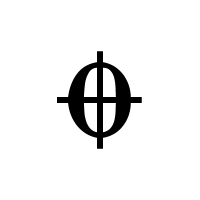
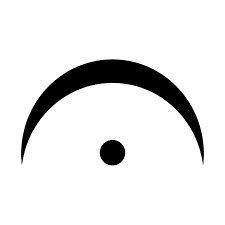
  2. This symbol, called a fermata, tells you to hold the note longer than written, until the conductor tells you to stop.
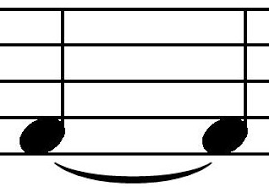
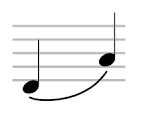
  3. This symbol, called a tie, tells you to add the note values together.
  4. This symbol, called a coda, tells you to jump to it when the music tells you "to coda"
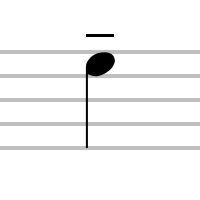
  5. This symbol, called tenuto, tells you to tongue lightly and hold the note out for its full value.
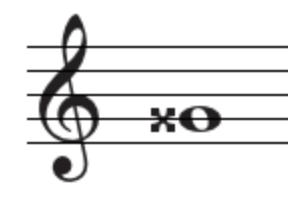
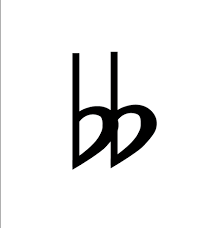
  6. This symbol, called a double flat, tells you to lower the note by 2 half steps
  7. This term indicates a slow, walking tempo
    Andante
  8. This term indicates that you play smooth and connected
    Legato
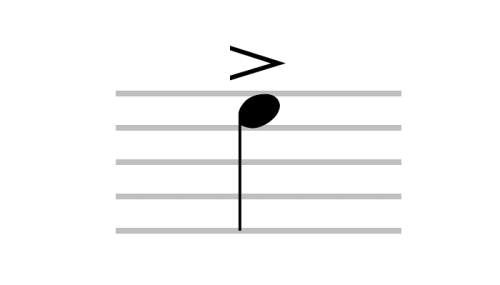
  9. This articulation symbol, called an accent, tells you to play the note loud and then decay
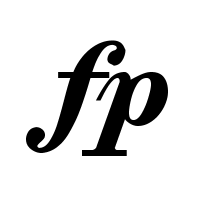
  10. This symbol, called a forte-piano, means to play loud and immediately drop to soft
  11. Meaning to go back to the beginning and play until the point marked "fine".
    D.C. al fine
  12. This symbol, called a double sharp, tells you to raise the note by 2 half steps.
  13. This musical term tells you to gradually increase the tempo.
    accelerando
  14. In this for of time, each beat can be subdivided into two equal parts. Common examples include 2/4 and 4/4.
    Simple time
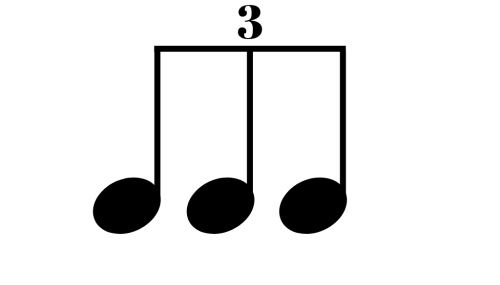
  15. Eighth note triplets
  16. An instrument whose notated pitch is different from its sounded pitch, for example the clarinet or saxophone.
    Transposing instrument
  17. The term for a musical figure where two notes are played in rapid succession, alternately between two pitches
    Trill
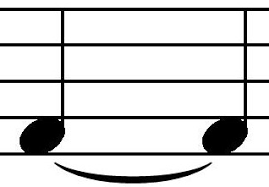
  18. This symbol, called a slur, indicates that you only tongue the first note and not the others underneath the articulation.
  19. This term refers to when two notes are written differently but sound the same, for example Ab and G#.
    Enharmonic equivalent

  20. In this type of time the main beat is a dotted quarter note. Common examples are 6/8, 9/8, and 12/8.
    Compound time
  21. This term tells you to play at the original tempo in a piece after the tempo changed.
    A tempo
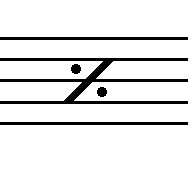
  22. Symbol meaning to repeat the previous measure
  23. This musical term tells you to gradually decrease the tempo.
    Ritardando
  24. This is a type of musical instrument whose written pitch matches the actual sound it produces. This means that if you write a "C" on music for a concert pitch instrument, the instrument will sound a "C".
    Concert instrument