nosethe majorentrance andexit for therespiratorysystemtuss/ocoughpulmonologistphysician whospecializes indiagnosing andtreating disordersof the respiratorysystemmediastinumthe cavitylocatedbetweenthe lungspharynxhas 3 sections,a tubeconnectingnasal passageand moth to thelarynxalveoliair sacs at theend ofbronchioleswhere gasexchangeoccurspulseoximeterdevice thatmeasures thesaturation ofoxygen carriedin your redblood cellsresponsiblefor theprocess ofbreathinga functionof therespiratorysystemworks closelywith thecardiovascularsystem toensure blood isoxygenated a functionof therespiratorysystemdiaphragmthe musclethat separatesthe thoraciccavity fromthe abdomenbronchus(bronchi)passageway fromtrachea to lungs,branch out tolungs leading tobronchiolesexhalationprocess ofbreathing outcarbon dioxide,when lungs deflateand the diaphragmrelaxesprocessesoxygen andcarbon dioxidethroughthe act ofrespirationa functionof therespiratorysystemensures alltissues of otherbody systemscan operatewith oxygena functionof therespiratorysystemtracheaaka windpipe;a tubeextendingfrom larynxtoward lungsinfluenzavirusvirus alsoknown asthe fluinhalationprocess ofbreathing inoxygen, when thelungs inhale, thediaphragmcontracts and pullsdownwardrespirationthe process gasexchange,breathing inoxygen andbreathing outcarbon dioxidelarynxconnectspharynx totrachea,contains vocalcords andepiglottisintubationmedical procedurethat involvesinteresting a tubeinto the trachea tomaintain an openairway and provideventilationrhin/onosespirometermedical device thatmeasures theamount of air aperson inhales andexhales, as well asthe speed and flowof their breathingnebulizermachine thatturns liquidmedicine intomist that caneasily beinhaledantitussivesmedicationgiven toprevent orrelievecoughingnosethe majorentrance andexit for therespiratorysystemtuss/ocoughpulmonologistphysician whospecializes indiagnosing andtreating disordersof the respiratorysystemmediastinumthe cavitylocatedbetweenthe lungspharynxhas 3 sections,a tubeconnectingnasal passageand moth to thelarynxalveoliair sacs at theend ofbronchioleswhere gasexchangeoccurspulseoximeterdevice thatmeasures thesaturation ofoxygen carriedin your redblood cellsresponsiblefor theprocess ofbreathinga functionof therespiratorysystemworks closelywith thecardiovascularsystem toensure blood isoxygenated a functionof therespiratorysystemdiaphragmthe musclethat separatesthe thoraciccavity fromthe abdomenbronchus(bronchi)passageway fromtrachea to lungs,branch out tolungs leading tobronchiolesexhalationprocess ofbreathing outcarbon dioxide,when lungs deflateand the diaphragmrelaxesprocessesoxygen andcarbon dioxidethroughthe act ofrespirationa functionof therespiratorysystemensures alltissues of otherbody systemscan operatewith oxygena functionof therespiratorysystemtracheaaka windpipe;a tubeextendingfrom larynxtoward lungsinfluenzavirusvirus alsoknown asthe fluinhalationprocess ofbreathing inoxygen, when thelungs inhale, thediaphragmcontracts and pullsdownwardrespirationthe process gasexchange,breathing inoxygen andbreathing outcarbon dioxidelarynxconnectspharynx totrachea,contains vocalcords andepiglottisintubationmedical procedurethat involvesinteresting a tubeinto the trachea tomaintain an openairway and provideventilationrhin/onosespirometermedical device thatmeasures theamount of air aperson inhales andexhales, as well asthe speed and flowof their breathingnebulizermachine thatturns liquidmedicine intomist that caneasily beinhaledantitussivesmedicationgiven toprevent orrelievecoughing

Respiratory System Bingo - Call List

(Print) Use this randomly generated list as your call list when playing the game. There is no need to say the BINGO column name. Place some kind of mark (like an X, a checkmark, a dot, tally mark, etc) on each cell as you announce it, to keep track. You can also cut out each item, place them in a bag and pull words from the bag.


1
2
3
4
5
6
7
8
9
10
11
12
13
14
15
16
17
18
19
20
21
22
23
24
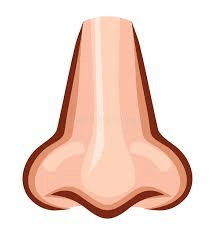
  1. the major entrance and exit for the respiratory system
    nose
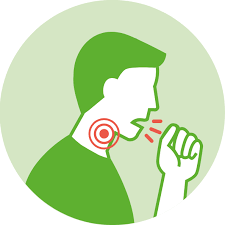
  2. cough
    tuss/o
  3. physician who specializes in diagnosing and treating disorders of the respiratory system
    pulmonologist
  4. the cavity located between the lungs
    mediastinum
  5. has 3 sections, a tube connecting nasal passage and moth to the larynx
    pharynx
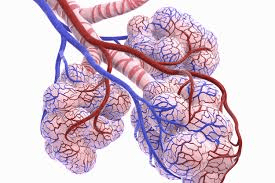
  6. air sacs at the end of bronchioles where gas exchange occurs
    alveoli
  7. device that measures the saturation of oxygen carried in your red blood cells
    pulse oximeter

  8. a function of the respiratory system
    responsible for the process of breathing
  9. a function of the respiratory system
    works closely with the cardiovascular system to ensure blood is oxygenated
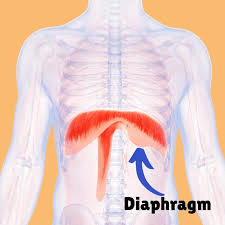
  10. the muscle that separates the thoracic cavity from the abdomen
    diaphragm
  11. (bronchi) passageway from trachea to lungs, branch out to lungs leading to bronchioles
    bronchus
  12. process of breathing out carbon dioxide, when lungs deflate and the diaphragm relaxes
    exhalation
  13. a function of the respiratory system
    processes oxygen and carbon dioxide through the act of respiration
  14. a function of the respiratory system
    ensures all tissues of other body systems can operate with oxygen
  15. aka windpipe; a tube extending from larynx toward lungs
    trachea
  16. virus also known as the flu
    influenza virus
  17. process of breathing in oxygen, when the lungs inhale, the diaphragm contracts and pulls downward
    inhalation
  18. the process gas exchange, breathing in oxygen and breathing out carbon dioxide
    respiration
  19. connects pharynx to trachea, contains vocal cords and epiglottis
    larynx
  20. medical procedure that involves interesting a tube into the trachea to maintain an open airway and provide ventilation
    intubation
  21. nose
    rhin/o
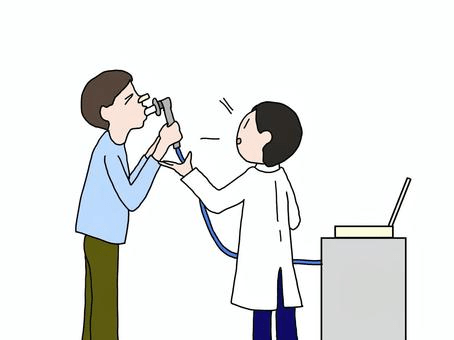
  22. medical device that measures the amount of air a person inhales and exhales, as well as the speed and flow of their breathing
    spirometer
  23. machine that turns liquid medicine into mist that can easily be inhaled
    nebulizer
  24. medication given to prevent or relieve coughing
    antitussives