Watersheddrainagearea forwaterHeterotrophOrganismthat cannotproduce theirown food(energy)RunoffMovement ofwater acrossthe surfaceof landSustainabilityThe ability toremaindiverse andproductiveover timeGeneticVariationsThe varietyof inheritedtraits that arepresent in apopulationPrimarySuccesionGroundwaterWaterfound inthegroundAquiferUndergroundwaterAutotrophSelf-feederPollutantchemical orbiologicalsubstancewhich harmswater, air, orland qualityHydrosphereAll thewaterfound onEarthAbioticNonlivingfactorsWatertableundergroundboundary betweenthe soil surfaceand the areawheregroundwatersaturates the soil10%RuleThe amount ofenergy passedto the nexttropic level inan ecosystemAdaptationAn inheritedtrait thatincreases anorganismschance ofsurvivalBiodiversityall thedifferentkinds of lifeyou’ll find inone areaPrimaryConsumer-->EnergyFlowBioticLivingFactorsSurfacewaterlakes,streams,rivers,oceansSecondaryConsumerSecondarySuccessionHerbivoreConsumesproducersSpeciesA group oforganisms thathave similartraits and canproduce fertileoffspringWatersheddrainagearea forwaterHeterotrophOrganismthat cannotproduce theirown food(energy)RunoffMovement ofwater acrossthe surfaceof landSustainabilityThe ability toremaindiverse andproductiveover timeGeneticVariationsThe varietyof inheritedtraits that arepresent in apopulationPrimarySuccesionGroundwaterWaterfound inthegroundAquiferUndergroundwaterAutotrophSelf-feederPollutantchemical orbiologicalsubstancewhich harmswater, air, orland qualityHydrosphereAll thewaterfound onEarthAbioticNonlivingfactorsWatertableundergroundboundary betweenthe soil surfaceand the areawheregroundwatersaturates the soil10%RuleThe amount ofenergy passedto the nexttropic level inan ecosystemAdaptationAn inheritedtrait thatincreases anorganismschance ofsurvivalBiodiversityall thedifferentkinds of lifeyou’ll find inone areaPrimaryConsumer-->EnergyFlowBioticLivingFactorsSurfacewaterlakes,streams,rivers,oceansSecondaryConsumerSecondarySuccessionHerbivoreConsumesproducersSpeciesA group oforganisms thathave similartraits and canproduce fertileoffspring

Organisms in the Environment - Call List

(Print) Use this randomly generated list as your call list when playing the game. There is no need to say the BINGO column name. Place some kind of mark (like an X, a checkmark, a dot, tally mark, etc) on each cell as you announce it, to keep track. You can also cut out each item, place them in a bag and pull words from the bag.


1
2
3
4
5
6
7
8
9
10
11
12
13
14
15
16
17
18
19
20
21
22
23
24
  1. drainage area for water
    Watershed
  2. Organism that cannot produce their own food (energy)
    Heterotroph
  3. Movement of water across the surface of land
    Runoff
  4. The ability to remain diverse and productive over time
    Sustainability
  5. The variety of inherited traits that are present in a population
    Genetic Variations
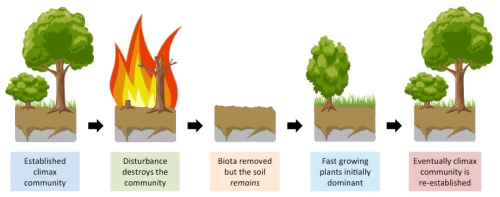
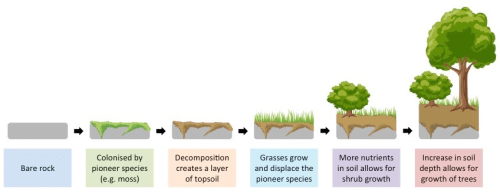
  6. Primary Succesion
  7. Water found in the ground
    Groundwater
  8. Underground water
    Aquifer
  9. Self-feeder
    Autotroph
  10. chemical or biological substance which harms water, air, or land quality
    Pollutant
  11. All the water found on Earth
    Hydrosphere
  12. Nonliving factors
    Abiotic
  13. underground boundary between the soil surface and the area where groundwater saturates the soil
    Water table
  14. The amount of energy passed to the next tropic level in an ecosystem
    10% Rule
  15. An inherited trait that increases an organisms chance of survival
    Adaptation
  16. all the different kinds of life you’ll find in one area
    Biodiversity
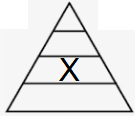
  17. Primary Consumer
  18. Energy Flow
    -->
  19. Living Factors
    Biotic
  20. lakes, streams, rivers, oceans
    Surface water
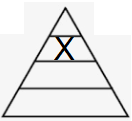
  21. Secondary Consumer
  22. Secondary Succession
  23. Consumes producers
    Herbivore
  24. A group of organisms that have similar traits and can produce fertile offspring
    Species