FirstAidThe sectionthat tells youwhat to do ifsomeone getshurt by thechemicalVentilatedAreaWhere shouldchemicals beused sofumes don’tbuild up?EyeWashIf you getsplashed, usethis straightaway to flushyour eyesWashYourHandsWhat shouldyou always doafter handlinghazardoussubstances?BundingThiscontainmentmethodprevents leaksfrom spreading.What symbolis used forenvironmentalhazards?  HealthThis labelindicates asubstance cancause seriousharm if inhaledor ingested.YellowWhat colourcabinet isused forflammablechemicals?Section1Part of theSDS withthe nameand supplierFlammableThis symbolmeans itcan easilycatch fire.StorageThe section onan SDS thattells you whereand how tokeep thechemicalFlashPointThis is thetemperatureat which aliquid canignite.PPEWhat gearprotects youreyes, hands,and lungs?SpillKitWhat youuse to cleanup achemicalspill.SafeHandlingHow to workwith thechemicalsafely.CheckSDSYou needinformation ona chemical,what shouldyou do?PictogramThese smallsymbols onlabels indicatethe type ofhazard.CorrosiveThis labelmeans thechemical canburn skin ordamagemetals.CombustibleCan catchfire, but notas quickly asflammableones.TrueAll Chemicalsmust belabelled. Trueor FalseTo preventdangerousreactionsWhat’s onereason to keepincompatiblechemicalsseparated?SafetyDataSheetSDSstandsfor ?DecantingWhat’s it calledwhen you pourchemicals intoa smallercontainer?InhalationMeansbreathingin achemical.GlovesUsed toprotect yourhands whenhandlingchemicalsFalseI can transfera chemicalinto a saucebottle. T or FIrritantSymbol forLess severehazards suchas eye orskin irritationFirstAidThe sectionthat tells youwhat to do ifsomeone getshurt by thechemicalVentilatedAreaWhere shouldchemicals beused sofumes don’tbuild up?EyeWashIf you getsplashed, usethis straightaway to flushyour eyesWashYourHandsWhat shouldyou always doafter handlinghazardoussubstances?BundingThiscontainmentmethodprevents leaksfrom spreading.What symbolis used forenvironmentalhazards? HealthThis labelindicates asubstance cancause seriousharm if inhaledor ingested.YellowWhat colourcabinet isused forflammablechemicals?Section1Part of theSDS withthe nameand supplierFlammableThis symbolmeans itcan easilycatch fire.StorageThe section onan SDS thattells you whereand how tokeep thechemicalFlashPointThis is thetemperatureat which aliquid canignite.PPEWhat gearprotects youreyes, hands,and lungs?SpillKitWhat youuse to cleanup achemicalspill.SafeHandlingHow to workwith thechemicalsafely.CheckSDSYou needinformation ona chemical,what shouldyou do?PictogramThese smallsymbols onlabels indicatethe type ofhazard.CorrosiveThis labelmeans thechemical canburn skin ordamagemetals.CombustibleCan catchfire, but notas quickly asflammableones.TrueAll Chemicalsmust belabelled. Trueor FalseTo preventdangerousreactionsWhat’s onereason to keepincompatiblechemicalsseparated?SafetyDataSheetSDSstandsfor ?DecantingWhat’s it calledwhen you pourchemicals intoa smallercontainer?InhalationMeansbreathingin achemical.GlovesUsed toprotect yourhands whenhandlingchemicalsFalseI can transfera chemicalinto a saucebottle. T or FIrritantSymbol forLess severehazards suchas eye orskin irritation

HazChem Bingo - Call List

(Print) Use this randomly generated list as your call list when playing the game. There is no need to say the BINGO column name. Place some kind of mark (like an X, a checkmark, a dot, tally mark, etc) on each cell as you announce it, to keep track. You can also cut out each item, place them in a bag and pull words from the bag.


1
2
3
4
5
6
7
8
9
10
11
12
13
14
15
16
17
18
19
20
21
22
23
24
25
26
27
  1. The section that tells you what to do if someone gets hurt by the chemical
    First Aid
  2. Where should chemicals be used so fumes don’t build up?
    Ventilated Area
  3. If you get splashed, use this straight away to flush your eyes
    Eye Wash
  4. What should you always do after handling hazardous substances?
    Wash Your Hands
  5. This containment method prevents leaks from spreading.
    Bunding
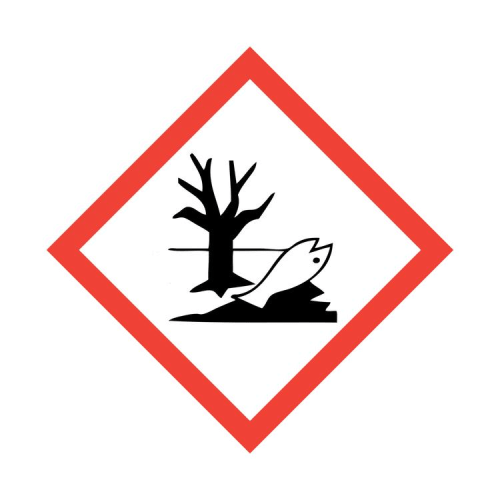
  6. What symbol is used for environmental hazards?
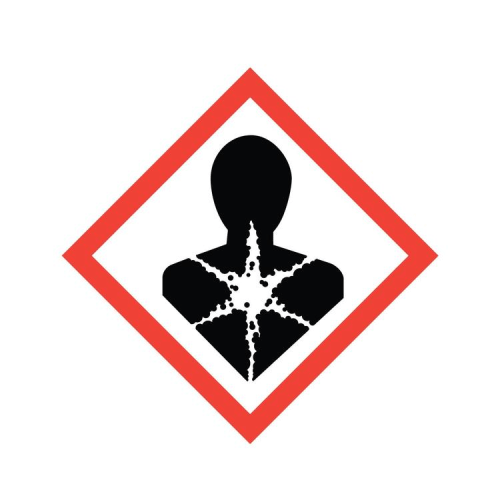
  7. This label indicates a substance can cause serious harm if inhaled or ingested.
    Health
  8. What colour cabinet is used for flammable chemicals?
    Yellow
  9. Part of the SDS with the name and supplier
    Section 1
  10. This symbol means it can easily catch fire.
    Flammable
  11. The section on an SDS that tells you where and how to keep the chemical
    Storage
  12. This is the temperature at which a liquid can ignite.
    Flash Point
  13. What gear protects your eyes, hands, and lungs?
    PPE
  14. What you use to clean up a chemical spill.
    Spill Kit
  15. How to work with the chemical safely.
    Safe Handling
  16. You need information on a chemical, what should you do?
    Check SDS
  17. These small symbols on labels indicate the type of hazard.
    Pictogram
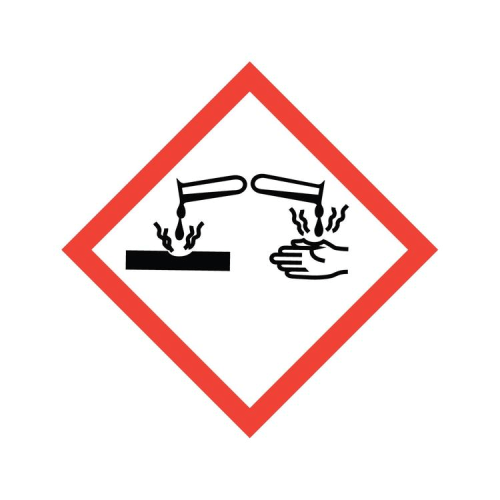
  18. This label means the chemical can burn skin or damage metals.
    Corrosive
  19. Can catch fire, but not as quickly as flammable ones.
    Combustible
  20. All Chemicals must be labelled. True or False
    True
  21. What’s one reason to keep incompatible chemicals separated?
    To prevent dangerous reactions

  22. SDS stands for ?
    Safety Data Sheet
  23. What’s it called when you pour chemicals into a smaller container?
    Decanting
  24. Means breathing in a chemical.
    Inhalation
  25. Used to protect your hands when handling chemicals
    Gloves
  26. I can transfer a chemical into a sauce bottle. T or F
    False
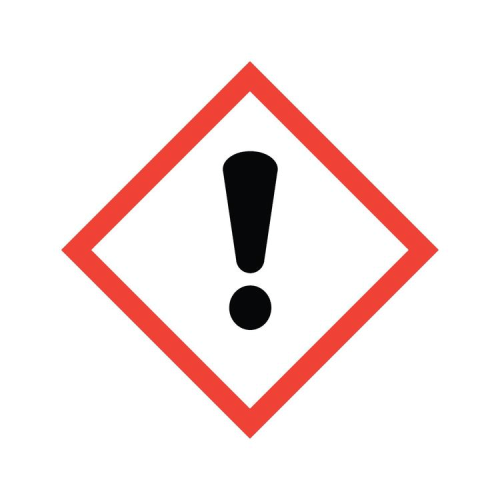
  27. Symbol for Less severe hazards such as eye or skin irritation
    Irritant