IntermittentoutbreakA disease outbreakin which people areexposed to anagent over days,weeks or months,such as foodcontaminationClimateChangeA human /environmentalfactor thatcontributes tothe emergenceof new diseasesHorizontalTransmission of adisease from personto person throughcontact, commonvehicle, airborne orvectorborne infectionThis creature is acarrier ofhantavirus, whichcan cause a fatalpulmonarysyndromeHepatitisCThere is novaccine for thisdisease, whichcan cause livercancer, cirrhosisand death in thechronic stages.Pustules are asign of thisdisease, whichwas declarederadicated in 1980by the WHO.This animal can carrytoxoplasmosis, whichcan be verticallytransmitted inhumans from motherto fetusAcquiredImmunityResistanceacquired by ahost as a result ofprevious naturalexposure to aninfectious agent.ActiveSurveillanceA purposeful,ongoing searchfor new diseasecases by publichealthpersonnelAnthraxThis spore-formingpathogen has beenused as an agent ofbioterrorismbecause of itspotential for highmortalityHPVThis sexuallytransmitted disease islinked to genital wartsand cervical cancer,among others. Vaccinecan be given as youngas 9 years old and asold as 27.This vectorcarriesdiseases likedengue, WestNile and ZikaHepatitisAThis virus is one of themost commonwaterborne viruses,and can also betransmitted throughfood. A vaccine isavailable and it doesnot lead to chronicinfection.TuberculosisSecondaryprevention for thisrespiratory diseaseincludes injectingPPD under the skinto check forexposure.E.ColiOften spread inundercookedmeat, thisbacterium causeshemorrhagic colitisandthrombocytopeniaThis arthropodcarries diseaseslike Lymedisease andRocky Mountainspotted feverGonorrheaA bacterial STI thatcan lead to severeinfection, PelvicInflammatoryDisease, and fertilitycomplications ofuntreated.VerticalTransmissionof a diseasefrom parentto offspring,such as HIVHerpes2This sexuallytransmitted viruscan be managedwith antiviralmedication, butnot cured.EbolaHemorrhagicdisease causedby contact withblood and otherbody fluidsSyphilisA bacterial STIthat is notsymptomatic untilthe secondarystage, a fewweeks afterexposure.PointsourceOutbreakA diseaseoutbreak causedby a singleexposure thattakes place over ashort period oftimePassiveSurveillanceA form of diseasesurveillance thatrelies on datareported byhealth careproviders.HepatitisBA vaccine isavailable for thisblood-borne liverdisease, whichcan causelongterm damageto the liver.IntermittentoutbreakA disease outbreakin which people areexposed to anagent over days,weeks or months,such as foodcontaminationClimateChangeA human /environmentalfactor thatcontributes tothe emergenceof new diseasesHorizontalTransmission of adisease from personto person throughcontact, commonvehicle, airborne orvectorborne infectionThis creature is acarrier ofhantavirus, whichcan cause a fatalpulmonarysyndromeHepatitisCThere is novaccine for thisdisease, whichcan cause livercancer, cirrhosisand death in thechronic stages.Pustules are asign of thisdisease, whichwas declarederadicated in 1980by the WHO.This animal can carrytoxoplasmosis, whichcan be verticallytransmitted inhumans from motherto fetusAcquiredImmunityResistanceacquired by ahost as a result ofprevious naturalexposure to aninfectious agent.ActiveSurveillanceA purposeful,ongoing searchfor new diseasecases by publichealthpersonnelAnthraxThis spore-formingpathogen has beenused as an agent ofbioterrorismbecause of itspotential for highmortalityHPVThis sexuallytransmitted disease islinked to genital wartsand cervical cancer,among others. Vaccinecan be given as youngas 9 years old and asold as 27.This vectorcarriesdiseases likedengue, WestNile and ZikaHepatitisAThis virus is one of themost commonwaterborne viruses,and can also betransmitted throughfood. A vaccine isavailable and it doesnot lead to chronicinfection.TuberculosisSecondaryprevention for thisrespiratory diseaseincludes injectingPPD under the skinto check forexposure.E.ColiOften spread inundercookedmeat, thisbacterium causeshemorrhagic colitisandthrombocytopeniaThis arthropodcarries diseaseslike Lymedisease andRocky Mountainspotted feverGonorrheaA bacterial STI thatcan lead to severeinfection, PelvicInflammatoryDisease, and fertilitycomplications ofuntreated.VerticalTransmissionof a diseasefrom parentto offspring,such as HIVHerpes2This sexuallytransmitted viruscan be managedwith antiviralmedication, butnot cured.EbolaHemorrhagicdisease causedby contact withblood and otherbody fluidsSyphilisA bacterial STIthat is notsymptomatic untilthe secondarystage, a fewweeks afterexposure.PointsourceOutbreakA diseaseoutbreak causedby a singleexposure thattakes place over ashort period oftimePassiveSurveillanceA form of diseasesurveillance thatrelies on datareported byhealth careproviders.HepatitisBA vaccine isavailable for thisblood-borne liverdisease, whichcan causelongterm damageto the liver.

Infectious Diseases Bingo - Call List

(Print) Use this randomly generated list as your call list when playing the game. There is no need to say the BINGO column name. Place some kind of mark (like an X, a checkmark, a dot, tally mark, etc) on each cell as you announce it, to keep track. You can also cut out each item, place them in a bag and pull words from the bag.


1
2
3
4
5
6
7
8
9
10
11
12
13
14
15
16
17
18
19
20
21
22
23
24
  1. A disease outbreak in which people are exposed to an agent over days, weeks or months, such as food contamination
    Intermittent outbreak
  2. A human / environmental factor that contributes to the emergence of new diseases
    Climate Change
  3. Transmission of a disease from person to person through contact, common vehicle, airborne or vectorborne infection
    Horizontal
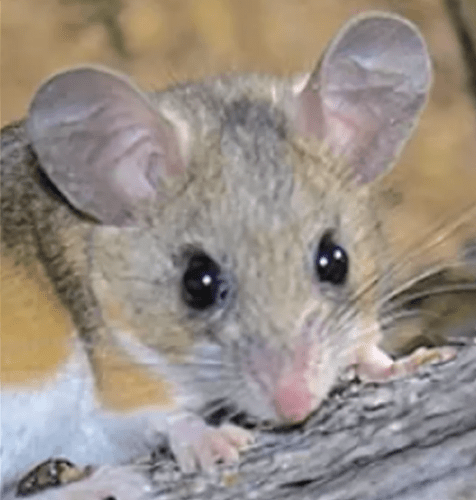
  4. This creature is a carrier of hantavirus, which can cause a fatal pulmonary syndrome
  5. There is no vaccine for this disease, which can cause liver cancer, cirrhosis and death in the chronic stages.
    Hepatitis C
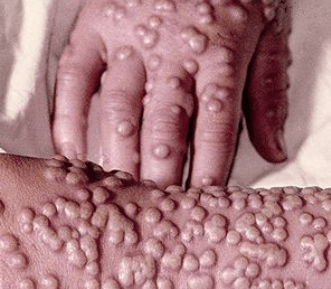
  6. Pustules are a sign of this disease, which was declared eradicated in 1980 by the WHO.

  7. This animal can carry toxoplasmosis, which can be vertically transmitted in humans from mother to fetus
  8. Resistance acquired by a host as a result of previous natural exposure to an infectious agent.
    Acquired Immunity
  9. A purposeful, ongoing search for new disease cases by public health personnel
    Active Surveillance
  10. This spore-forming pathogen has been used as an agent of bioterrorism because of its potential for high mortality
    Anthrax
  11. This sexually transmitted disease is linked to genital warts and cervical cancer, among others. Vaccine can be given as young as 9 years old and as old as 27.
    HPV
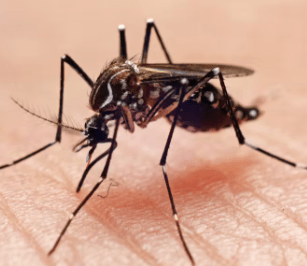
  12. This vector carries diseases like dengue, West Nile and Zika
  13. This virus is one of the most common waterborne viruses, and can also be transmitted through food. A vaccine is available and it does not lead to chronic infection.
    Hepatitis A
  14. Secondary prevention for this respiratory disease includes injecting PPD under the skin to check for exposure.
    Tuberculosis
  15. Often spread in undercooked meat, this bacterium causes hemorrhagic colitis and thrombocytopenia
    E. Coli
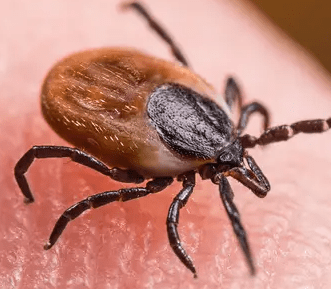
  16. This arthropod carries diseases like Lyme disease and Rocky Mountain spotted fever
  17. A bacterial STI that can lead to severe infection, Pelvic Inflammatory Disease, and fertility complications of untreated.
    Gonorrhea
  18. Transmission of a disease from parent to offspring, such as HIV
    Vertical
  19. This sexually transmitted virus can be managed with antiviral medication, but not cured.
    Herpes 2
  20. Hemorrhagic disease caused by contact with blood and other body fluids
    Ebola
  21. A bacterial STI that is not symptomatic until the secondary stage, a few weeks after exposure.
    Syphilis
  22. A disease outbreak caused by a single exposure that takes place over a short period of time
    Point source Outbreak
  23. A form of disease surveillance that relies on data reported by health care providers.
    Passive Surveillance
  24. A vaccine is available for this blood-borne liver disease, which can cause longterm damage to the liver.
    Hepatitis B