oropharyngealairwayapneaabsenceofbreathingwheezingcommonlungsound withasthmamechanismof injuryForce orforces thatmay havecausedinjuryrespiratorydistressincreased workof breathing; asensation ofshortness ofbreathlowbloodpressurhypotensionJugularVeinDistention(JVD)Abnormalbulging ofthe veinsof the necktachyrapidpalpationThe act ofusing one'shands totouch or feelthe bodyhyperabove/overHighbloodpressurehypertensiondiaphoreticExcessivelysweatyoxygenregulatorOPQRSTmnemoniccommonlyused toassessdiscomfortCardioheartsystolicThe pressurewithin the arterieswhen the heartbeats; thecontraction phaseof the heart.nasalcannulaaccessorymusclesmuscles of theneck, chest, andabdomen thatcan assist duringrespiratorydifficultyNPADyspneadifficultybreathingcool,pale andclammya skinsign forshocksignSomething thatcan be observedor measuredwhen assessinga patientbluecoloring ofthe skincyanoticSAMPLEmnemoniccommonlyused to get amedicalhistorypatentOpen andclear; freefromobstructionhypobelow/underBradyslowsymptomSomething thepatientcomplains of ordescribes duringthe secondaryassessment.diastolicThe pressure thatremains in thearteries when theheart is at rest;the resting phaseof the heart.NonRebreatherMaskauscultationThe act oflistening tointernal soundsof the body,typically with astethoscope.HypoxiaLow oxygensaturation ofthe body, notenough oxygenin the bloodBag ValveMask(BVM)warm,normaland dryA normalskin signisoropharyngealairwayapneaabsenceofbreathingwheezingcommonlungsound withasthmamechanismof injuryForce orforces thatmay havecausedinjuryrespiratorydistressincreased workof breathing; asensation ofshortness ofbreathlowbloodpressurhypotensionJugularVeinDistention(JVD)Abnormalbulging ofthe veinsof the necktachyrapidpalpationThe act ofusing one'shands totouch or feelthe bodyhyperabove/overHighbloodpressurehypertensiondiaphoreticExcessivelysweatyoxygenregulatorOPQRSTmnemoniccommonlyused toassessdiscomfortCardioheartsystolicThe pressurewithin the arterieswhen the heartbeats; thecontraction phaseof the heart.nasalcannulaaccessorymusclesmuscles of theneck, chest, andabdomen thatcan assist duringrespiratorydifficultyNPADyspneadifficultybreathingcool,pale andclammya skinsign forshocksignSomething thatcan be observedor measuredwhen assessinga patientbluecoloring ofthe skincyanoticSAMPLEmnemoniccommonlyused to get amedicalhistorypatentOpen andclear; freefromobstructionhypobelow/underBradyslowsymptomSomething thepatientcomplains of ordescribes duringthe secondaryassessment.diastolicThe pressure thatremains in thearteries when theheart is at rest;the resting phaseof the heart.NonRebreatherMaskauscultationThe act oflistening tointernal soundsof the body,typically with astethoscope.HypoxiaLow oxygensaturation ofthe body, notenough oxygenin the bloodBag ValveMask(BVM)warm,normaland dryA normalskin signis

EMR - Call List

(Print) Use this randomly generated list as your call list when playing the game. There is no need to say the BINGO column name. Place some kind of mark (like an X, a checkmark, a dot, tally mark, etc) on each cell as you announce it, to keep track. You can also cut out each item, place them in a bag and pull words from the bag.


1
2
3
4
5
6
7
8
9
10
11
12
13
14
15
16
17
18
19
20
21
22
23
24
25
26
27
28
29
30
31
32
33
34

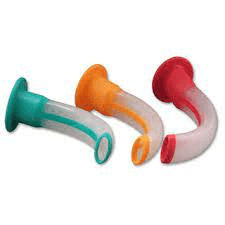
  1. oropharyngeal airway
  2. absence of breathing
    apnea
  3. common lung sound with asthma
    wheezing
  4. Force or forces that may have caused injury
    mechanism of injury

  5. increased work of breathing; a sensation of shortness of breath
    respiratory distress
  6. hypotension
    low blood pressur
  7. Abnormal bulging of the veins of the neck
    Jugular Vein Distention (JVD)
  8. rapid
    tachy
  9. The act of using one's hands to touch or feel the body
    palpation
  10. above/over
    hyper
  11. hypertension
    High blood pressure
  12. Excessively sweaty
    diaphoretic

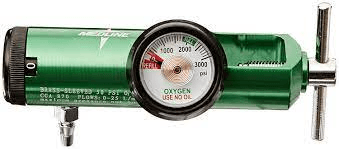
  13. oxygen regulator
  14. mnemonic commonly used to assess discomfort
    OPQRST
  15. heart
    Cardio
  16. The pressure within the arteries when the heart beats; the contraction phase of the heart.
    systolic

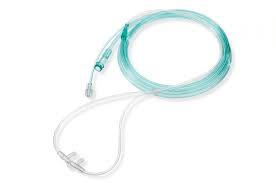
  17. nasal cannula
  18. muscles of the neck, chest, and abdomen that can assist during respiratory difficulty
    accessory muscles
  19. NPA
  20. difficulty breathing
    Dyspnea
  21. a skin sign for shock
    cool, pale and clammy
  22. Something that can be observed or measured when assessing a patient
    sign
  23. cyanotic
    blue coloring of the skin
  24. mnemonic commonly used to get a medical history
    SAMPLE
  25. Open and clear; free from obstruction
    patent
  26. below/under
    hypo
  27. slow
    Brady
  28. Something the patient complains of or describes during the secondary assessment.
    symptom
  29. The pressure that remains in the arteries when the heart is at rest; the resting phase of the heart.
    diastolic

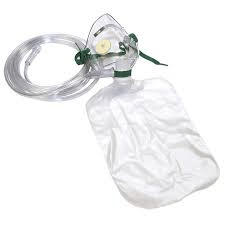
  30. Non Rebreather Mask
  31. The act of listening to internal sounds of the body, typically with a stethoscope.
    auscultation
  32. Low oxygen saturation of the body, not enough oxygen in the blood
    Hypoxia

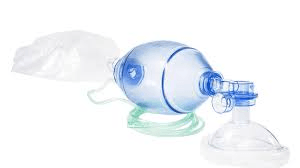
  33. Bag Valve Mask (BVM)
  34. A normal skin sign is
    warm, normal and dry