Longdaylighthours, moredirectsunlightSummerEquatorMostdirectsunlightall year90 degreeAngleresulting inweak tidesNeapTideNebulaBirth Placeof stars,filled withgas and dustEarth'sTilt23.5degrees andresponsiblefor seasonsSummer intheNorthernHemisphereTidesThe rise andfall of thewater every6 hoursSuperRedGiantWhen a highmass starruns out ofHydrogenfuelHottestStarsBlueThesunSecondaryeffect onEarth'stidesRotationDayandNightRevolutionOrbitingaround the sunand changesEarth's seasonGravityNoncontactforce thatholdseverything inplaceGravityturnedoffBlueGiantHotandBrightCoolStarsRedSolsticeSummer andWinter,Longestdays ornightsNeapTideThemoonHas thegreatesteffect onEarth's tidesTemperatureThermalenergy of thestarmeasured inKelvinSuperNovaStage of astar thatcomes aftersuper redgiantWinter intheNorthernHemisphere4HowManyTides in aDayHRDiagramChartclassifyingstars byluminosity andtemperatureShortDaylighthours,indirectsunlightWinterEquinoxFall &Spring,equal daysand nightsSpringTideStraightlineresulting instrong tidesSpringTideRedGiantWhen oursun runs outof hydrogenfuelLuminosityBrightnessMainSequenceOur sun isin thisstage oflifeProtoStarAfter thenebula onthe way tomainsequenceBlackHoleDeath of ahigh massstar withintensegravityWhiteDwarfSmall,dense,hot, anddimLongdaylighthours, moredirectsunlightSummerEquatorMostdirectsunlightall year90 degreeAngleresulting inweak tidesNeapTideNebulaBirth Placeof stars,filled withgas and dustEarth'sTilt23.5degrees andresponsiblefor seasonsSummer intheNorthernHemisphereTidesThe rise andfall of thewater every6 hoursSuperRedGiantWhen a highmass starruns out ofHydrogenfuelHottestStarsBlueThesunSecondaryeffect onEarth'stidesRotationDayandNightRevolutionOrbitingaround the sunand changesEarth's seasonGravityNoncontactforce thatholdseverything inplaceGravityturnedoffBlueGiantHotandBrightCoolStarsRedSolsticeSummer andWinter,Longestdays ornightsNeapTideThemoonHas thegreatesteffect onEarth's tidesTemperatureThermalenergy of thestarmeasured inKelvinSuperNovaStage of astar thatcomes aftersuper redgiantWinter intheNorthernHemisphere4HowManyTides in aDayHRDiagramChartclassifyingstars byluminosity andtemperatureShortDaylighthours,indirectsunlightWinterEquinoxFall &Spring,equal daysand nightsSpringTideStraightlineresulting instrong tidesSpringTideRedGiantWhen oursun runs outof hydrogenfuelLuminosityBrightnessMainSequenceOur sun isin thisstage oflifeProtoStarAfter thenebula onthe way tomainsequenceBlackHoleDeath of ahigh massstar withintensegravityWhiteDwarfSmall,dense,hot, anddim

Seasons and Tides - Call List

(Print) Use this randomly generated list as your call list when playing the game. There is no need to say the BINGO column name. Place some kind of mark (like an X, a checkmark, a dot, tally mark, etc) on each cell as you announce it, to keep track. You can also cut out each item, place them in a bag and pull words from the bag.


1
2
3
4
5
6
7
8
9
10
11
12
13
14
15
16
17
18
19
20
21
22
23
24
25
26
27
28
29
30
31
32
33
34
  1. Summer
    Long daylight hours, more direct sunlight
  2. Most direct sunlight all year
    Equator
  3. Neap Tide
    90 degree Angle resulting in weak tides
  4. Birth Place of stars, filled with gas and dust
    Nebula
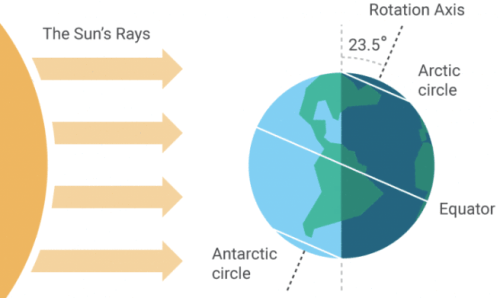
  5. 23.5 degrees and responsible for seasons
    Earth's Tilt

  6. Summer in the Northern Hemisphere
  7. The rise and fall of the water every 6 hours
    Tides
  8. When a high mass star runs out of Hydrogen fuel
    Super Red Giant
  9. Blue
    Hottest Stars
  10. Secondary effect on Earth's tides
    The sun
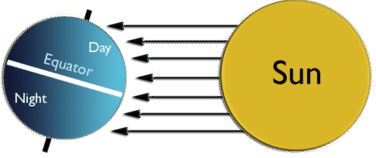
  11. Day and Night
    Rotation
  12. Orbiting around the sun and changes Earth's season
    Revolution

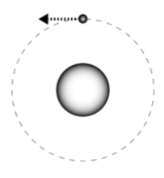
  13. Noncontact force that holds everything in place
    Gravity

  14. Gravity turned off
  15. Hot and Bright
    Blue Giant
  16. Red
    Cool Stars
  17. Summer and Winter, Longest days or nights
    Solstice

  18. Neap Tide
  19. Has the greatest effect on Earth's tides
    The moon
  20. Thermal energy of the star measured in Kelvin
    Temperature
  21. Stage of a star that comes after super red giant
    Super Nova

  22. Winter in the Northern Hemisphere
  23. How Many Tides in a Day
    4
  24. Chart classifying stars by luminosity and temperature
    HR Diagram
  25. Winter
    Short Daylight hours, indirect sunlight
  26. Fall & Spring, equal days and nights
    Equinox

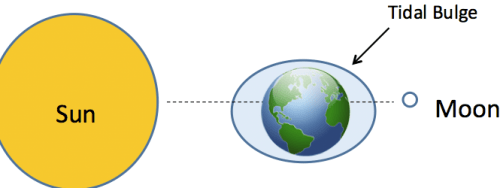
  27. Spring Tide
  28. Spring Tide
    Straight line resulting in strong tides
  29. When our sun runs out of hydrogen fuel
    Red Giant
  30. Brightness
    Luminosity
  31. Our sun is in this stage of life
    Main Sequence
  32. After the nebula on the way to main sequence
    Proto Star
  33. Death of a high mass star with intense gravity
    Black Hole
  34. Small, dense, hot, and dim
    White Dwarf