cellplatecreatingcells forsexualreproductiondaughter cellshave half thenumber ofchromosomesas parent cell23independentassortment46type ofreproduction thatis the fusion of twoparent cells;forming geneticallyunique offspringidenticalstrands of achromosomeG1cancercentrioles/centrosomemitosisgeneticdiversityG2growthand repairof bodycellsprocess thatresults in twogeneticallyidenticaldaughter cellsdaughter cellshave the samenumber ofchromosomesas parent cellchromatinscondense, nuclearmembranedisappears,spindle fibers formtype ofreproduction thatis the productionof geneticallyidentical offspringfrom a singleparentendresult ofmitosishaploid(n)cell is preparingto divide,growing, andDNA isduplicatingmeiosisgrowth,development,repairprocess thatresults in fourgeneticallyuniquedaughter cellscleavagefurrowchromosomes lineup in the middle ofthe cell andchromosomesattach to thespindle fibersG0Scytoplasmdivides, cellsplits, twoidenticaldaughter cellsremainegg andspermcellssisterchromatids arepulled apart toopposite sidesof the cellcell begins topinch in,chromosomesuncoil intochromatin, spindlefibers disappearendresult ofmeiosismutationsdiploid(2n)loose DNApresentduringinterphasecheckpointscellplatecreatingcells forsexualreproductiondaughter cellshave half thenumber ofchromosomesas parent cell23independentassortment46type ofreproduction thatis the fusion of twoparent cells;forming geneticallyunique offspringidenticalstrands of achromosomeG1cancercentrioles/centrosomemitosisgeneticdiversityG2growthand repairof bodycellsprocess thatresults in twogeneticallyidenticaldaughter cellsdaughter cellshave the samenumber ofchromosomesas parent cellchromatinscondense, nuclearmembranedisappears,spindle fibers formtype ofreproduction thatis the productionof geneticallyidentical offspringfrom a singleparentendresult ofmitosishaploid(n)cell is preparingto divide,growing, andDNA isduplicatingmeiosisgrowth,development,repairprocess thatresults in fourgeneticallyuniquedaughter cellscleavagefurrowchromosomes lineup in the middle ofthe cell andchromosomesattach to thespindle fibersG0Scytoplasmdivides, cellsplits, twoidenticaldaughter cellsremainegg andspermcellssisterchromatids arepulled apart toopposite sidesof the cellcell begins topinch in,chromosomesuncoil intochromatin, spindlefibers disappearendresult ofmeiosismutationsdiploid(2n)loose DNApresentduringinterphasecheckpoints

Cell Division Bingo - Call List

(Print) Use this randomly generated list as your call list when playing the game. There is no need to say the BINGO column name. Place some kind of mark (like an X, a checkmark, a dot, tally mark, etc) on each cell as you announce it, to keep track. You can also cut out each item, place them in a bag and pull words from the bag.


1
2
3
4
5
6
7
8
9
10
11
12
13
14
15
16
17
18
19
20
21
22
23
24
25
26
27
28
29
30
31
32
33
34
35
36
37
38
39
40
41
42
43
44
45
46
47
48
49
50
51
52
53
54
55
  1. cell plate
  2. creating cells for sexual reproduction
  3. daughter cells have half the number of chromosomes as parent cell
  4. 23
  5. independent assortment
  6. 46
  7. type of reproduction that is the fusion of two parent cells; forming genetically unique offspring
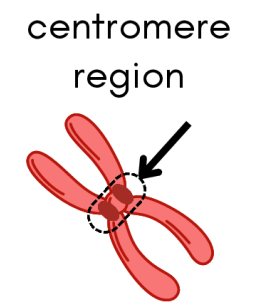
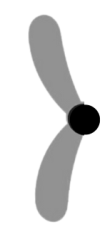
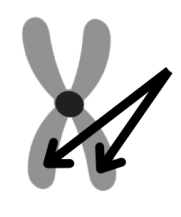
  8. identical strands of a chromosome
  9. G1
  10. cancer
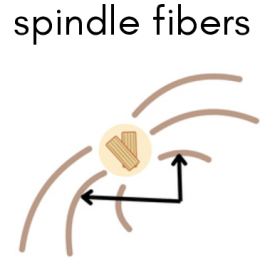
  11. centrioles/ centrosome
  12. mitosis
  13. genetic diversity
  14. G2
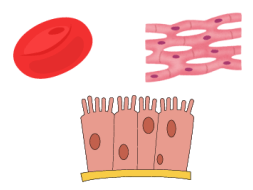
  15. growth and repair of body cells
  16. process that results in two genetically identical daughter cells
  17. daughter cells have the same number of chromosomes as parent cell
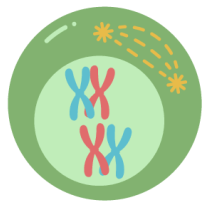
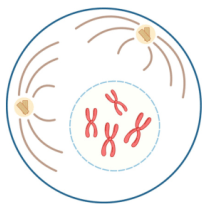
  18. chromatins condense, nuclear membrane disappears, spindle fibers form
  19. type of reproduction that is the production of genetically identical offspring from a single parent

  20. end result of mitosis
  21. haploid (n)
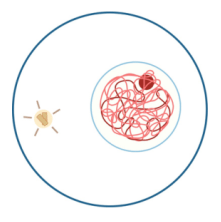
  22. cell is preparing to divide, growing, and DNA is duplicating
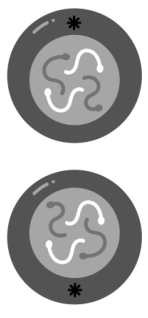
  23. meiosis
  24. growth, development, repair
  25. process that results in four genetically unique daughter cells
  26. cleavage furrow
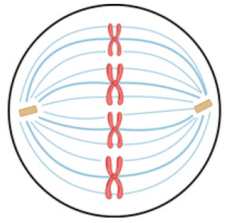
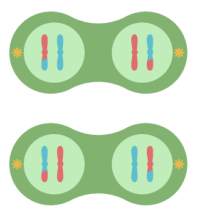
  27. chromosomes line up in the middle of the cell and chromosomes attach to the spindle fibers
  28. G0
  29. S
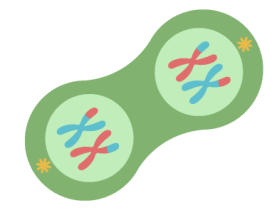
  30. cytoplasm divides, cell splits, two identical daughter cells remain
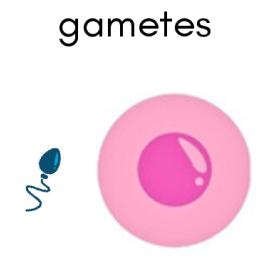
  31. egg and sperm cells
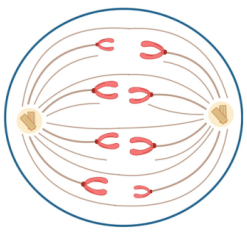
  32. sister chromatids are pulled apart to opposite sides of the cell
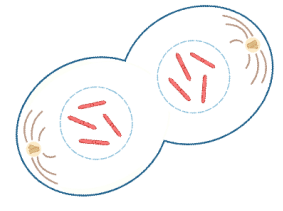
  33. cell begins to pinch in, chromosomes uncoil into chromatin, spindle fibers disappear
  34. end result of meiosis
  35. mutations
  36. diploid (2n)
  37. loose DNA present during interphase
  38. checkpoints