About 500 years ago,kabbalists (Jewishmystics) created asymbolic fruit-filled TuB’Shevat seder.inspired by thePassover ritual meal.The Tu B’Shevatseder is split into foursections, eachreflecting theseasons andsymbolizing differentaspects of the treesand our own lives.The lychee industry beganin Israel in the 1930s withintroductions of 'Mauritius','Bengal', and 'Floridian'varieties. The VolcaniInstitute in developed anew variety of lychee called'Tamuz' which grew morefruit and had significantlysmallerTu B’Shevat has its originsin an ancient practice:farmers in Israel, gratefulfor the blessing of a goodcrop, would bring a portionof their trees’ fruit as anoffering to the Holy Templein Jerusalem. Sincefarmers were instructed toharvestAbout 100 years ago,pioneers in the land ofIsrael reimagined theholiday as a time to planttrees. More recently, TuB’Shevat has become anoccasion for raisingawareness about theenvironment, similar toEarth Day. Happy birthday,trees!Pistachios have a longhistory in Israel, withremains of pistachios780,000 years old havingbeen foundin the Hula Valley.Pistachios are still apopular food in Israel today,with the nuts being found inmanyIsraeli markets.Sabra is the Hebrew namefor the prickly pear, whichis the fruit from a cactusthat can befound throughout Israel.Native Israelis are knownas sabras because theyare said to be pricklyon the outside but sweet onthe inside like the fruit.The Hebrewword for"trees" is"etzim."The baobab tree isnicknamed the “Tree ofLife” because of its ownlong life and its ability toprovide food and shelter toanimals and people. Whilethe tree is native to Africa,the baobabis an important part of thebotanical gardens at EinGedOlives are one of theSeven Species. In ancienttimes, olives had manyuses. The oil was used inreligious rituals. Peoplealso used the oil to washthemselves, to cook, and tolight their homes.Some of the olive trees inIsrael today are over 100Wheat is one of the SevenSpecies. Bread made fromwheat is a central andsteady part of theJewish tradition. Pita is astaple in Israel as well asother countries, andchallah is an importantpart of the Shabbat menu.Passion fruit, knownlocally as passiflora orgranadilla, flourishes inIsrael, grown from theGalilee to the Negevregions. It is used inproducts like wine,juices, and oils.Mango orchards began toappear in Israel during the1980’s. Now, Israelproduces one of thefive highest yields/hectarein the world. Mangoes growmostly in the North of Israelwhere theclimate provides the bestgrowing conditions. In Israel avocados growalong the length of theMediterranean Coast.Avocado growers inIsrael harvest sixdifferent varieties ofavocados: Galil, Ettinger,Hass, Fuerte, Pinkerton,and Reed. Jaffa orangesbecame an earlynational symbol ofthe State of Israel.Jaffa oranges arenamedafter the town of Jaffanear Tel Aviv.B’nei Yisrael (the Israelites)used acacia wood, which ishard and dense, to buildvariouscomponents of theMishkan, including the Ark.Acacia trees prevent soilerosion and help otherplants to grown nearby.The acacia is the only treeindigenouThe Israeli variety ofpersimmon is also knownas the Sharon fruit. It getsits name from theSharon region, where itgrows from Octoberthrough March. It is eatenwhole, and ripepersimmons are known fortheir sweet tasteLoquats are a significantfruit crop in Israel, whichranks as the world'ssecond-largest producerafter Japan. Their taste isoften compared to a mix ofapricot and citrus. Theleaves and fruit havetraditional uses inmedicine, with loquat syruDates are one of the SevenSpecies. In ancient times,dates were made intohoney; and manypeople believe that theTorah is referring to datehoney when it refers to thePromised Land asa “land flowing with milkand honey.” Today, ninedifferentAlso called pitaya, dragonfruit is mostly tasteless.The fruit comes from thePitaya cactus. Israelhas been growing a newvariety of the fruit despitethe water shortage byusing new watersaving technologies.Eucalyptus trees arenative to Australia butwere brought toIsrael to help dry outswamps.These trees are alsopopular among thelocal bee population.Almond trees are the firstto bloom in Israel, and theirblooming generallycoincides with TuB’Shevat. Almonds play aprominent role in the Torahwith Ya’akov (Jacob)instructing his sonsto take almonds to Egyptwhen they go to acquirefood.Figs are one of the SevenSpecies. They were astaple of the Israelite dietand were eaten freshor dried. The Torah relatesthat Adam and Eve usedleaves from a fig tree tocover themselves(Bereshit 3:7). Figs can beused to make honey oralcohoPomegranates are one ofthe Seven Speciesmentioned in the Torah. It iscustomary to eatpomegranates on RoshHashanah. The fruit'snumerous seeds arebelieved to correspond tothe 613 Commandments inthe Torah.According to Jewishlaw, a tree’s fruit isready for picking whenit turns three. TuB’Shevat helpedancient farmers markwhere the trees werein the growing process.The pomelo is thelargest citrus fruit,larger than even agrapefruit. It has asweet taste.Scientists in Israelhave developedseveral new varietiesof pomelos.Grapes are one of theSeven Species mentionedin the Torah. Today, grapesare mostly grownin the north of Israel in theGalilee. There are severalvineyards that spread fromthe Sea ofGalilee to Mt Hermon.Grapes are also a veryimportant part oIn Israel the holiday of TuB’Shevat arrives alongwith the first signs ofspring, on the fifteenth(“tu”) day of the month ofShevat. This is perfecttiming as the trees arebeginning to blossom forthe coming year.The "Seven Species"(Shiv'at HaMinim) areseven agricultural products—wheat, barley, grapes,figs, pomegranates, olives,and dates—singled out inthe Hebrew Bible(Deuteronomy 8:8) asunique blessings of theLand of Israel.Carob is a native tree inIsrael, which is known forits sweet pods, which canbe used as a chocolatealternative. A famous storyfrom the Talmud highlightsthe carob tree's slowgrowth (70 years) and thewisdom of planting forfuture generationsAbout 500 years ago,kabbalists (Jewishmystics) created asymbolic fruit-filled TuB’Shevat seder.inspired by thePassover ritual meal.The Tu B’Shevatseder is split into foursections, eachreflecting theseasons andsymbolizing differentaspects of the treesand our own lives.The lychee industry beganin Israel in the 1930s withintroductions of 'Mauritius','Bengal', and 'Floridian'varieties. The VolcaniInstitute in developed anew variety of lychee called'Tamuz' which grew morefruit and had significantlysmallerTu B’Shevat has its originsin an ancient practice:farmers in Israel, gratefulfor the blessing of a goodcrop, would bring a portionof their trees’ fruit as anoffering to the Holy Templein Jerusalem. Sincefarmers were instructed toharvestAbout 100 years ago,pioneers in the land ofIsrael reimagined theholiday as a time to planttrees. More recently, TuB’Shevat has become anoccasion for raisingawareness about theenvironment, similar toEarth Day. Happy birthday,trees!Pistachios have a longhistory in Israel, withremains of pistachios780,000 years old havingbeen foundin the Hula Valley.Pistachios are still apopular food in Israel today,with the nuts being found inmanyIsraeli markets.Sabra is the Hebrew namefor the prickly pear, whichis the fruit from a cactusthat can befound throughout Israel.Native Israelis are knownas sabras because theyare said to be pricklyon the outside but sweet onthe inside like the fruit.The Hebrewword for"trees" is"etzim."The baobab tree isnicknamed the “Tree ofLife” because of its ownlong life and its ability toprovide food and shelter toanimals and people. Whilethe tree is native to Africa,the baobabis an important part of thebotanical gardens at EinGedOlives are one of theSeven Species. In ancienttimes, olives had manyuses. The oil was used inreligious rituals. Peoplealso used the oil to washthemselves, to cook, and tolight their homes.Some of the olive trees inIsrael today are over 100Wheat is one of the SevenSpecies. Bread made fromwheat is a central andsteady part of theJewish tradition. Pita is astaple in Israel as well asother countries, andchallah is an importantpart of the Shabbat menu.Passion fruit, knownlocally as passiflora orgranadilla, flourishes inIsrael, grown from theGalilee to the Negevregions. It is used inproducts like wine,juices, and oils.Mango orchards began toappear in Israel during the1980’s. Now, Israelproduces one of thefive highest yields/hectarein the world. Mangoes growmostly in the North of Israelwhere theclimate provides the bestgrowing conditions. In Israel avocados growalong the length of theMediterranean Coast.Avocado growers inIsrael harvest sixdifferent varieties ofavocados: Galil, Ettinger,Hass, Fuerte, Pinkerton,and Reed. Jaffa orangesbecame an earlynational symbol ofthe State of Israel.Jaffa oranges arenamedafter the town of Jaffanear Tel Aviv.B’nei Yisrael (the Israelites)used acacia wood, which ishard and dense, to buildvariouscomponents of theMishkan, including the Ark.Acacia trees prevent soilerosion and help otherplants to grown nearby.The acacia is the only treeindigenouThe Israeli variety ofpersimmon is also knownas the Sharon fruit. It getsits name from theSharon region, where itgrows from Octoberthrough March. It is eatenwhole, and ripepersimmons are known fortheir sweet tasteLoquats are a significantfruit crop in Israel, whichranks as the world'ssecond-largest producerafter Japan. Their taste isoften compared to a mix ofapricot and citrus. Theleaves and fruit havetraditional uses inmedicine, with loquat syruDates are one of the SevenSpecies. In ancient times,dates were made intohoney; and manypeople believe that theTorah is referring to datehoney when it refers to thePromised Land asa “land flowing with milkand honey.” Today, ninedifferentAlso called pitaya, dragonfruit is mostly tasteless.The fruit comes from thePitaya cactus. Israelhas been growing a newvariety of the fruit despitethe water shortage byusing new watersaving technologies.Eucalyptus trees arenative to Australia butwere brought toIsrael to help dry outswamps.These trees are alsopopular among thelocal bee population.Almond trees are the firstto bloom in Israel, and theirblooming generallycoincides with TuB’Shevat. Almonds play aprominent role in the Torahwith Ya’akov (Jacob)instructing his sonsto take almonds to Egyptwhen they go to acquirefood.Figs are one of the SevenSpecies. They were astaple of the Israelite dietand were eaten freshor dried. The Torah relatesthat Adam and Eve usedleaves from a fig tree tocover themselves(Bereshit 3:7). Figs can beused to make honey oralcohoPomegranates are one ofthe Seven Speciesmentioned in the Torah. It iscustomary to eatpomegranates on RoshHashanah. The fruit'snumerous seeds arebelieved to correspond tothe 613 Commandments inthe Torah.According to Jewishlaw, a tree’s fruit isready for picking whenit turns three. TuB’Shevat helpedancient farmers markwhere the trees werein the growing process.The pomelo is thelargest citrus fruit,larger than even agrapefruit. It has asweet taste.Scientists in Israelhave developedseveral new varietiesof pomelos.Grapes are one of theSeven Species mentionedin the Torah. Today, grapesare mostly grownin the north of Israel in theGalilee. There are severalvineyards that spread fromthe Sea ofGalilee to Mt Hermon.Grapes are also a veryimportant part oIn Israel the holiday of TuB’Shevat arrives alongwith the first signs ofspring, on the fifteenth(“tu”) day of the month ofShevat. This is perfecttiming as the trees arebeginning to blossom forthe coming year.The "Seven Species"(Shiv'at HaMinim) areseven agricultural products—wheat, barley, grapes,figs, pomegranates, olives,and dates—singled out inthe Hebrew Bible(Deuteronomy 8:8) asunique blessings of theLand of Israel.Carob is a native tree inIsrael, which is known forits sweet pods, which canbe used as a chocolatealternative. A famous storyfrom the Talmud highlightsthe carob tree's slowgrowth (70 years) and thewisdom of planting forfuture generations

TU B'SHEVAT - Call List

(Print) Use this randomly generated list as your call list when playing the game. There is no need to say the BINGO column name. Place some kind of mark (like an X, a checkmark, a dot, tally mark, etc) on each cell as you announce it, to keep track. You can also cut out each item, place them in a bag and pull words from the bag.


1
2
3
4
5
6
7
8
9
10
11
12
13
14
15
16
17
18
19
20
21
22
23
24
25
26
27
28
29
30
  1. About 500 years ago, kabbalists (Jewish mystics) created a symbolic fruit-filled Tu B’Shevat seder. inspired by the Passover ritual meal.
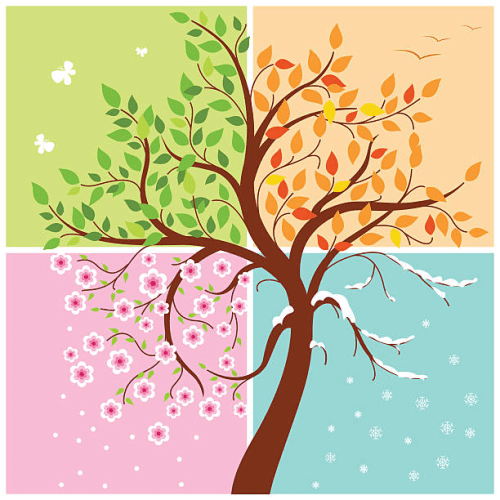
  2. The Tu B’Shevat seder is split into four sections, each reflecting the seasons and symbolizing different aspects of the trees and our own lives.
  3. The lychee industry began in Israel in the 1930s with introductions of 'Mauritius', 'Bengal', and 'Floridian' varieties. The Volcani Institute in developed a new variety of lychee called 'Tamuz' which grew more fruit and had significantly smaller
  4. Tu B’Shevat has its origins in an ancient practice: farmers in Israel, grateful for the blessing of a good crop, would bring a portion of their trees’ fruit as an offering to the Holy Temple in Jerusalem. Since farmers were instructed to harvest
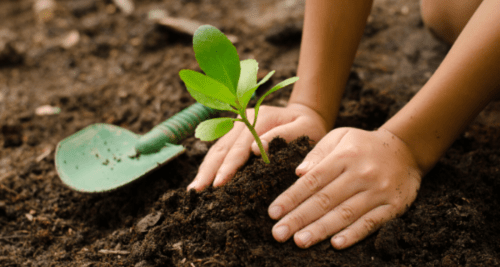
  5. About 100 years ago, pioneers in the land of Israel reimagined the holiday as a time to plant trees. More recently, Tu B’Shevat has become an occasion for raising awareness about the environment, similar to Earth Day. Happy birthday, trees!
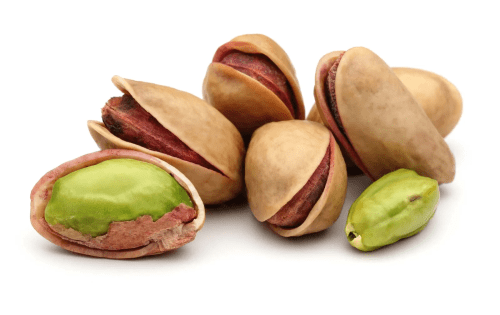
  6. Pistachios have a long history in Israel, with remains of pistachios 780,000 years old having been found in the Hula Valley. Pistachios are still a popular food in Israel today, with the nuts being found in many Israeli markets.
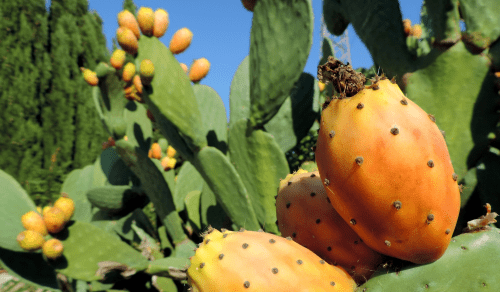
  7. Sabra is the Hebrew name for the prickly pear, which is the fruit from a cactus that can be found throughout Israel. Native Israelis are known as sabras because they are said to be prickly on the outside but sweet on the inside like the fruit.
  8. The Hebrew word for "trees" is "etzim."
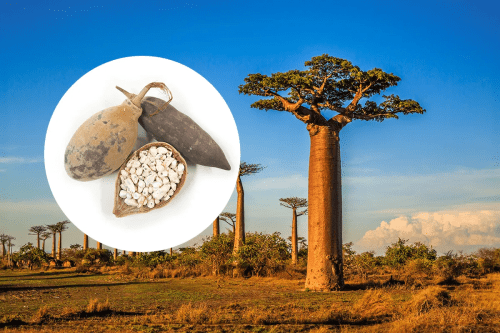
  9. The baobab tree is nicknamed the “Tree of Life” because of its own long life and its ability to provide food and shelter to animals and people. While the tree is native to Africa, the baobab is an important part of the botanical gardens at Ein Ged
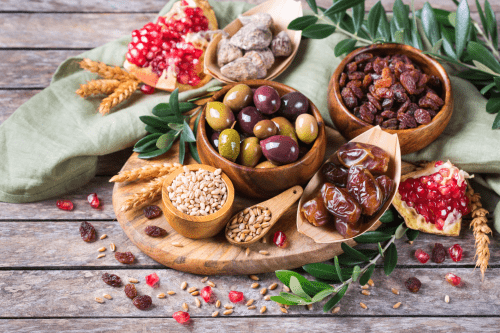
  10. Olives are one of the Seven Species. In ancient times, olives had many uses. The oil was used in religious rituals. People also used the oil to wash themselves, to cook, and to light their homes. Some of the olive trees in Israel today are over 100
  11. Wheat is one of the Seven Species. Bread made from wheat is a central and steady part of the Jewish tradition. Pita is a staple in Israel as well as other countries, and challah is an important part of the Shabbat menu.
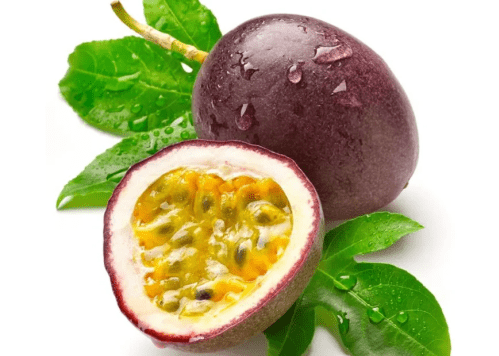
  12. Passion fruit, known locally as passiflora or granadilla, flourishes in Israel, grown from the Galilee to the Negev regions. It is used in products like wine, juices, and oils.
  13. Mango orchards began to appear in Israel during the 1980’s. Now, Israel produces one of the five highest yields/hectare in the world. Mangoes grow mostly in the North of Israel where the climate provides the best growing conditions.
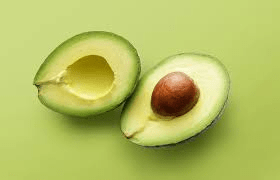
  14. In Israel avocados grow along the length of the Mediterranean Coast. Avocado growers in Israel harvest six different varieties of avocados: Galil, Ettinger, Hass, Fuerte, Pinkerton, and Reed.
  15. Jaffa oranges became an early national symbol of the State of Israel. Jaffa oranges are named after the town of Jaffa near Tel Aviv.
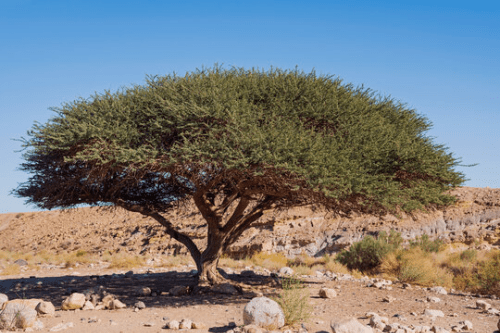
  16. B’nei Yisrael (the Israelites) used acacia wood, which is hard and dense, to build various components of the Mishkan, including the Ark. Acacia trees prevent soil erosion and help other plants to grown nearby. The acacia is the only tree indigenou
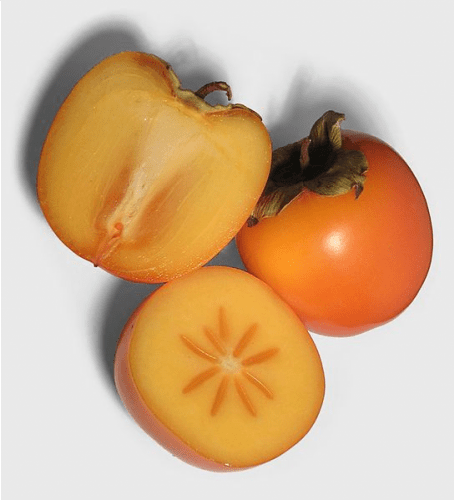
  17. The Israeli variety of persimmon is also known as the Sharon fruit. It gets its name from the Sharon region, where it grows from October through March. It is eaten whole, and ripe persimmons are known for their sweet taste
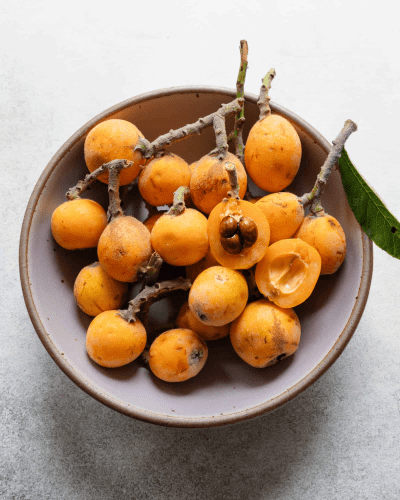
  18. Loquats are a significant fruit crop in Israel, which ranks as the world's second-largest producer after Japan. Their taste is often compared to a mix of apricot and citrus. The leaves and fruit have traditional uses in medicine, with loquat syru
  19. Dates are one of the Seven Species. In ancient times, dates were made into honey; and many people believe that the Torah is referring to date honey when it refers to the Promised Land as a “land flowing with milk and honey.” Today, nine different

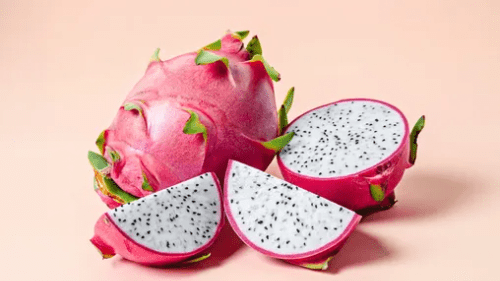
  20. Also called pitaya, dragon fruit is mostly tasteless. The fruit comes from the Pitaya cactus. Israel has been growing a new variety of the fruit despite the water shortage by using new water saving technologies.
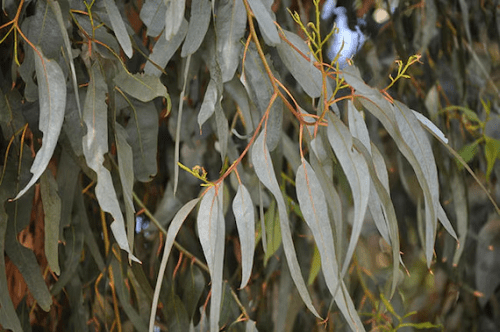
  21. Eucalyptus trees are native to Australia but were brought to Israel to help dry out swamps. These trees are also popular among the local bee population.
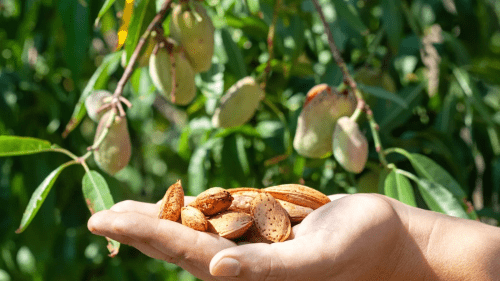
  22. Almond trees are the first to bloom in Israel, and their blooming generally coincides with Tu B’Shevat. Almonds play a prominent role in the Torah with Ya’akov (Jacob) instructing his sons to take almonds to Egypt when they go to acquire food.
  23. Figs are one of the Seven Species. They were a staple of the Israelite diet and were eaten fresh or dried. The Torah relates that Adam and Eve used leaves from a fig tree to cover themselves (Bereshit 3:7). Figs can be used to make honey or alcoho
  24. Pomegranates are one of the Seven Species mentioned in the Torah. It is customary to eat pomegranates on Rosh Hashanah. The fruit's numerous seeds are believed to correspond to the 613 Commandments in the Torah.
  25. According to Jewish law, a tree’s fruit is ready for picking when it turns three. Tu B’Shevat helped ancient farmers mark where the trees were in the growing process.
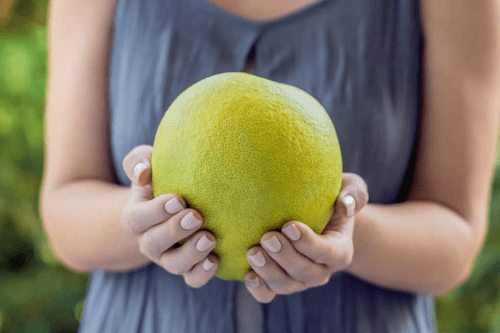
  26. The pomelo is the largest citrus fruit, larger than even a grapefruit. It has a sweet taste. Scientists in Israel have developed several new varieties of pomelos.
  27. Grapes are one of the Seven Species mentioned in the Torah. Today, grapes are mostly grown in the north of Israel in the Galilee. There are several vineyards that spread from the Sea of Galilee to Mt Hermon. Grapes are also a very important part o
  28. In Israel the holiday of Tu B’Shevat arrives along with the first signs of spring, on the fifteenth (“tu”) day of the month of Shevat. This is perfect timing as the trees are beginning to blossom for the coming year.
  29. The "Seven Species" (Shiv'at HaMinim) are seven agricultural products—wheat, barley, grapes, figs, pomegranates, olives, and dates—singled out in the Hebrew Bible (Deuteronomy 8:8) as unique blessings of the Land of Israel.
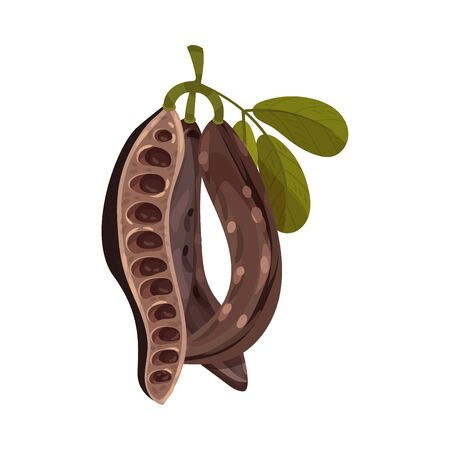
  30. Carob is a native tree in Israel, which is known for its sweet pods, which can be used as a chocolate alternative. A famous story from the Talmud highlights the carob tree's slow growth (70 years) and the wisdom of planting for future generations