-significantly improves total cholesterol and LDL/bad cholesterol The average adult needs 6 ounces of grains daily. -reduces risks of chronic disease ENDOSPERM germ's food supply (energy, photosynthesis) GERM embryo with ability to sprout a new plant. -significantly improves c- reactive protein (a measure of inflammation) Whole grains are the entire seed/kernel of the plant. Quinoa is an edible seed. -significantly improves hemoglobin A1c (measure of blood sugar control) The husk is the outer inedible part. Couscous is not a type of grain; it's a type of pasta. The husk protects the seed from sunlight, water, pests, & disease. Sorghum is a cereal grain. Benefits are greatest when you have at least 3 servings of whole grain daily wheat, corn, rice, oats, barley, quinoa, sorghum, spelt, rye...eat in WHOLE form Half your grains should be whole grains 5%= low 10%= moderate 20%= high -lowers risk of colorectal cancer BRAN multi-layered outer skin that contains antioxidants, B vitamins, & fiber The endosperm contains starchy carbohydrates, proteins, and small amounts of vitamins and minerals.
-less inflammation -better weight management www.wholegrains council.org The germ contains B vitamins, some protein, minerals, & fat. Spelt is a type of wheat (hulled). Whole wheat vs. whole grain? Bulgur is made from cracked whole grains. -significantly improves total cholesterol and LDL/bad cholesterol The average adult needs 6 ounces of grains daily. -reduces risks of chronic disease ENDOSPERM germ's food supply (energy, photosynthesis) GERM embryo with ability to sprout a new plant. -significantly improves c- reactive protein (a measure of inflammation) Whole grains are the entire seed/kernel of the plant. Quinoa is an edible seed. -significantly improves hemoglobin A1c (measure of blood sugar control) The husk is the outer inedible part. Couscous is not a type of grain; it's a type of pasta. The husk protects the seed from sunlight, water, pests, & disease. Sorghum is a cereal grain. Benefits are greatest when you have at least 3 servings of whole grain daily wheat, corn, rice, oats, barley, quinoa, sorghum, spelt, rye...eat in WHOLE form Half your grains should be whole grains 5%= low 10%= moderate 20%= high -lowers risk of colorectal cancer BRAN multi-layered outer skin that contains antioxidants, B vitamins, & fiber The endosperm contains starchy carbohydrates, proteins, and small amounts of vitamins and minerals. -less inflammation -better weight management www.wholegrains council.org The germ contains B vitamins, some protein, minerals, & fat. Spelt is a type of wheat (hulled). Whole wheat vs. whole grain? Bulgur is made from cracked whole grains.
(Print)
-significantly improves total cholesterol and LDL/bad cholesterol
The average adult needs 6 ounces of grains daily.
-reduces risks of chronic disease
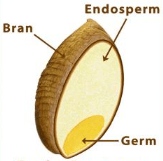
ENDOSPERM
germ's food supply (energy, photosynthesis)
GERM
embryo with ability to sprout a new plant.
-significantly improves c-reactive protein (a measure of inflammation)
Whole grains are the entire seed/kernel of the plant.
Quinoa is an edible seed.
-significantly improves hemoglobin A1c (measure of blood sugar control)
The husk is the outer inedible part.
Couscous is not a type of grain; it's a type of pasta.
The husk protects the seed from sunlight, water, pests, & disease.
Sorghum is a cereal grain.
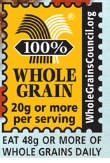
Benefits are greatest when you have at least 3 servings of whole grain daily
wheat, corn, rice, oats, barley, quinoa, sorghum, spelt, rye...eat in WHOLE form
Half your grains should be whole grains
5%= low
10%= moderate
20%= high
-lowers risk of colorectal cancer
BRAN
multi-layered outer skin that contains antioxidants, B vitamins, & fiber
The endosperm contains starchy carbohydrates, proteins, and small amounts of vitamins and minerals.
-less inflammation
-better weight management
www.wholegrains
council.org
The germ contains B vitamins, some protein, minerals, & fat.
Spelt is a type of wheat (hulled).
Whole wheat vs. whole grain?
Bulgur is made from cracked whole grains.