Feelinginadequateor inferiorto othersA harmful effectof comparingyourself toothers on socialmedia?Lower self-esteem,increased anxiety& depression,lack of sleep, andlonelinessNegativeeffects ofsocialmediaConfidentialityWhat you talkabout with yourcounselor staysprivate, unless youor someone elseis, or may be indangerIt shutsdownWhat happens toyour ThoughtfulTurtle when yourprotectiveporcupine takesover?PersonalInformationWhatinformationshould you becareful aboutsharing online?AnxietyNaturalfeeling ofworry orfear; reactionto a stressorPerspectiveOne'sinterpretations ofevents, people,and places basedon their ownexperience andbackgroundExpectation &Consequence2 parts torebuildingboundaries1-2# of hoursrecommendedfor your agegroup to spendonSM/screens?CognitiveReframing5 FingerBreathing54321Grounding1.Acknowledgewhat they did2.Apologize3.Committ tochange3requirementsfor a healthyrelationshipto improveThehighlights/goodstuffWhat domost peoplepresent onsocialmedia?Amygdala(porcupine)In charge ofprotectingyou; Yourfeeling brainInvalidationorGaslightingWhen someonetries to confuseyou and makesyou think youcannot trust yourown thoughts andfeelingsThestresshormonesAdrenaline& CortisolCompareMany usesocial media asa way to ____themselves toothersDigitalFootprintA trace, or"file" ofyour onlineactivityTo understandhow you learnand find thebest successstrategies touseWhy is itimportant toknow yourlearningstyle?Empathyseeing with theeyes of another,listening with theears of another,and feeling withthe heart ofanotherBoundariesGuidelines set onhow you feel youshould be treatedand whatexpectations youhave for arelationshipDistractionsomeone tries tobring your focusto somethingelse instead oftakingresponsibilityHippocampus(Elephant)Storingmemoriesand learningnewinformationLimit informationshared, keepconvos short,and stick tofacts, notfeelingsHow do youcreate emotionaldistance from anunhealthyperson in yourlife?8-9# of hours ofsleeprecommendedfor your agegroupEustressThe"good"stressBalance,boundaries,stability,acceptance4componentsof a healthyrelationshipDistanceyourself; reportto a trustedadult if you'renot safeWhat to do ifyou're in arelationshipthat is veryunhealthyGroundingTechniquesCenters usand bringsus back tothe presentLearn newthings, thinkbefore we act,get along withother, and feelcalmWhat doesourPFC/Turtlehelp us do?Help yourporcupinerelax -coping skillsHow do youget yourThoughtfulTurtle backin charge?1.Visual2. Auditory3.Kinesthetic4.CombinationName the4LearningStyles?Connect withothers, updatefriends andfamily, & inspire,education, andentertain othersWhat wasthe true pointof socialmedia?How to bepreparedfor testinghealthy breakfast,be on time,enough sleep,know yourstrategies, andcharge yourChromebookIncreases:communication,empathy,understanding,& compassionWhy shouldwe practiceseeing thingsfrom another'sperspectiveYourreputationand futureopportunitiesYour DigitalFootprint canhave alasting impacton what?Feelinginadequateor inferiorto othersA harmful effectof comparingyourself toothers on socialmedia?Lower self-esteem,increased anxiety& depression,lack of sleep, andlonelinessNegativeeffects ofsocialmediaConfidentialityWhat you talkabout with yourcounselor staysprivate, unless youor someone elseis, or may be indangerIt shutsdownWhat happens toyour ThoughtfulTurtle when yourprotectiveporcupine takesover?PersonalInformationWhatinformationshould you becareful aboutsharing online?AnxietyNaturalfeeling ofworry orfear; reactionto a stressorPerspectiveOne'sinterpretations ofevents, people,and places basedon their ownexperience andbackgroundExpectation &Consequence2 parts torebuildingboundaries1-2# of hoursrecommendedfor your agegroup to spendonSM/screens?CognitiveReframing5 FingerBreathing54321Grounding1.Acknowledgewhat they did2.Apologize3.Committ tochange3requirementsfor a healthyrelationshipto improveThehighlights/goodstuffWhat domost peoplepresent onsocialmedia?Amygdala(porcupine)In charge ofprotectingyou; Yourfeeling brainInvalidationorGaslightingWhen someonetries to confuseyou and makesyou think youcannot trust yourown thoughts andfeelingsThestresshormonesAdrenaline& CortisolCompareMany usesocial media asa way to ____themselves toothersDigitalFootprintA trace, or"file" ofyour onlineactivityTo understandhow you learnand find thebest successstrategies touseWhy is itimportant toknow yourlearningstyle?Empathyseeing with theeyes of another,listening with theears of another,and feeling withthe heart ofanotherBoundariesGuidelines set onhow you feel youshould be treatedand whatexpectations youhave for arelationshipDistractionsomeone tries tobring your focusto somethingelse instead oftakingresponsibilityHippocampus(Elephant)Storingmemoriesand learningnewinformationLimit informationshared, keepconvos short,and stick tofacts, notfeelingsHow do youcreate emotionaldistance from anunhealthyperson in yourlife?8-9# of hours ofsleeprecommendedfor your agegroupEustressThe"good"stressBalance,boundaries,stability,acceptance4componentsof a healthyrelationshipDistanceyourself; reportto a trustedadult if you'renot safeWhat to do ifyou're in arelationshipthat is veryunhealthyGroundingTechniquesCenters usand bringsus back tothe presentLearn newthings, thinkbefore we act,get along withother, and feelcalmWhat doesourPFC/Turtlehelp us do?Help yourporcupinerelax -coping skillsHow do youget yourThoughtfulTurtle backin charge?1.Visual2. Auditory3.Kinesthetic4.CombinationName the4LearningStyles?Connect withothers, updatefriends andfamily, & inspire,education, andentertain othersWhat wasthe true pointof socialmedia?How to bepreparedfor testinghealthy breakfast,be on time,enough sleep,know yourstrategies, andcharge yourChromebookIncreases:communication,empathy,understanding,& compassionWhy shouldwe practiceseeing thingsfrom another'sperspectiveYourreputationand futureopportunitiesYour DigitalFootprint canhave alasting impacton what?

Counselor Lesson Review - Call List

(Print) Use this randomly generated list as your call list when playing the game. There is no need to say the BINGO column name. Place some kind of mark (like an X, a checkmark, a dot, tally mark, etc) on each cell as you announce it, to keep track. You can also cut out each item, place them in a bag and pull words from the bag.


1
2
3
4
5
6
7
8
9
10
11
12
13
14
15
16
17
18
19
20
21
22
23
24
25
26
27
28
29
30
31
32
33
34
35
36
37
  1. A harmful effect of comparing yourself to others on social media?
    Feeling inadequate or inferior to others
  2. Negative effects of social media
    Lower self-esteem, increased anxiety & depression, lack of sleep, and loneliness
  3. What you talk about with your counselor stays private, unless you or someone else is, or may be in danger
    Confidentiality
  4. What happens to your Thoughtful Turtle when your protective porcupine takes over?
    It shuts down
  5. What information should you be careful about sharing online?
    Personal Information
  6. Natural feeling of worry or fear; reaction to a stressor
    Anxiety
  7. One's interpretations of events, people, and places based on their own experience and background
    Perspective
  8. 2 parts to rebuilding boundaries
    Expectation & Consequence
  9. # of hours recommended for your age group to spend on SM/screens?
    1-2

  10. Cognitive Reframing

  11. 5 Finger Breathing

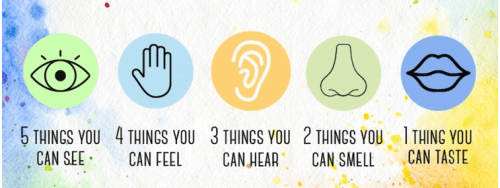
  12. 54321 Grounding
  13. 3 requirements for a healthy relationship to improve
    1.Acknowledge what they did 2.Apologize 3.Committ to change
  14. What do most people present on social media?
    The highlights/good stuff
  15. In charge of protecting you; Your feeling brain
    Amygdala (porcupine)
  16. When someone tries to confuse you and makes you think you cannot trust your own thoughts and feelings
    Invalidation or Gaslighting
  17. Adrenaline & Cortisol
    The stress hormones
  18. Many use social media as a way to ____ themselves to others
    Compare
  19. A trace, or "file" of your online activity
    Digital Footprint
  20. Why is it important to know your learning style?
    To understand how you learn and find the best success strategies to use
  21. seeing with the eyes of another, listening with the ears of another, and feeling with the heart of another
    Empathy
  22. Guidelines set on how you feel you should be treated and what expectations you have for a relationship
    Boundaries
  23. someone tries to bring your focus to something else instead of taking responsibility
    Distraction
  24. Storing memories and learning new information
    Hippocampus (Elephant)
  25. How do you create emotional distance from an unhealthy person in your life?
    Limit information shared, keep convos short, and stick to facts, not feelings
  26. # of hours of sleep recommended for your age group
    8-9
  27. The "good" stress
    Eustress
  28. 4 components of a healthy relationship
    Balance, boundaries, stability, acceptance
  29. What to do if you're in a relationship that is very unhealthy
    Distance yourself; report to a trusted adult if you're not safe
  30. Centers us and brings us back to the present
    Grounding Techniques
  31. What does our PFC/Turtle help us do?
    Learn new things, think before we act, get along with other, and feel calm

  32. How do you get your Thoughtful Turtle back in charge?
    Help your porcupine relax - coping skills
  33. Name the 4 Learning Styles?
    1.Visual 2. Auditory 3.Kinesthetic 4.Combination
  34. What was the true point of social media?
    Connect with others, update friends and family, & inspire, education, and entertain others
  35. healthy breakfast, be on time, enough sleep, know your strategies, and charge your Chromebook
    How to be prepared for testing
  36. Why should we practice seeing things from another's perspective
    Increases: communication, empathy, understanding, & compassion
  37. Your Digital Footprint can have a lasting impact on what?
    Your reputation and future opportunities